


PRODUCTS
PRODUCTS

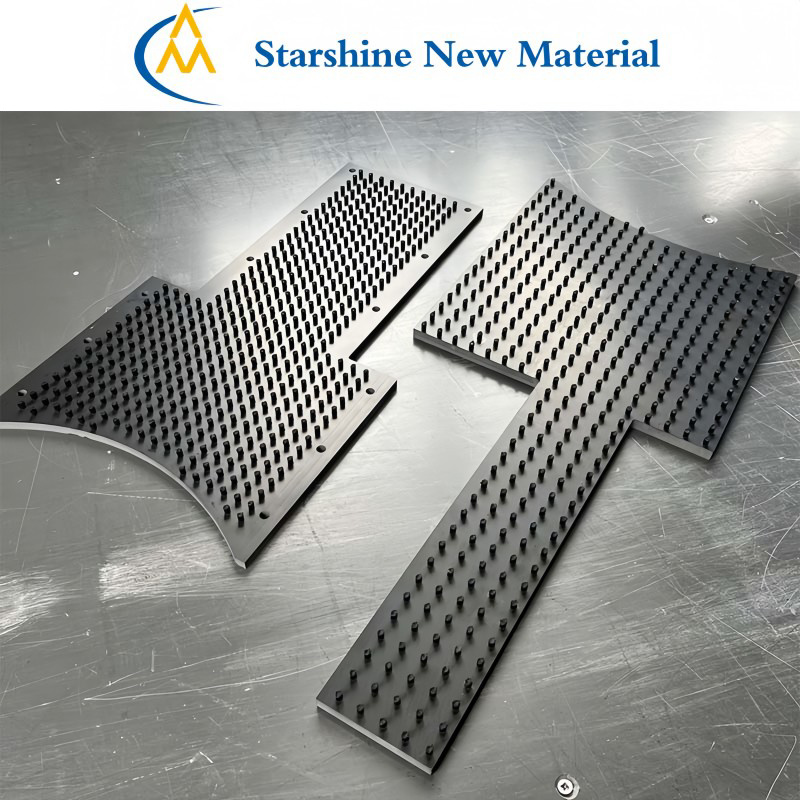
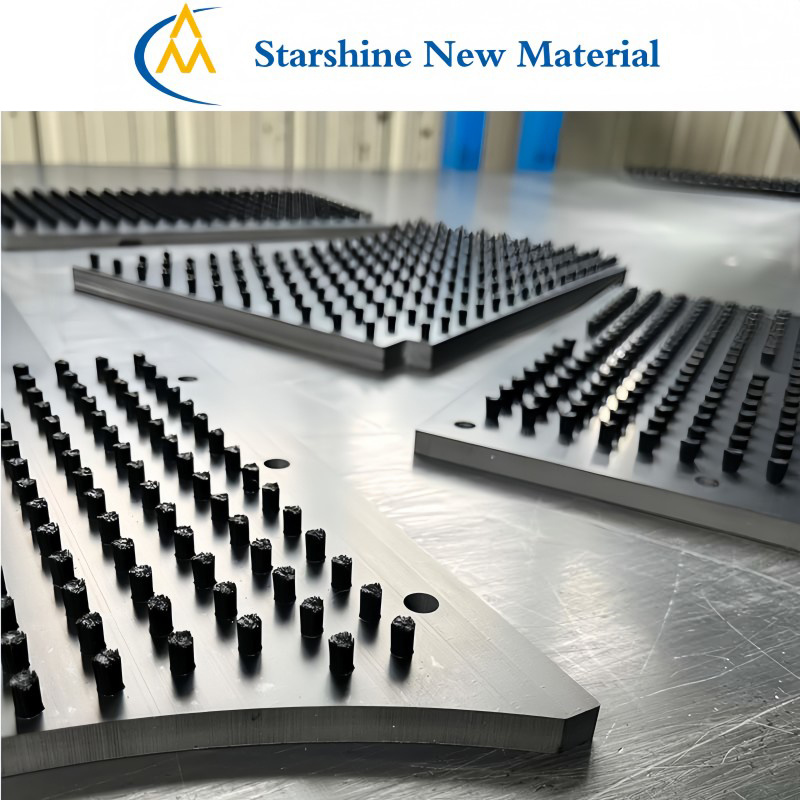
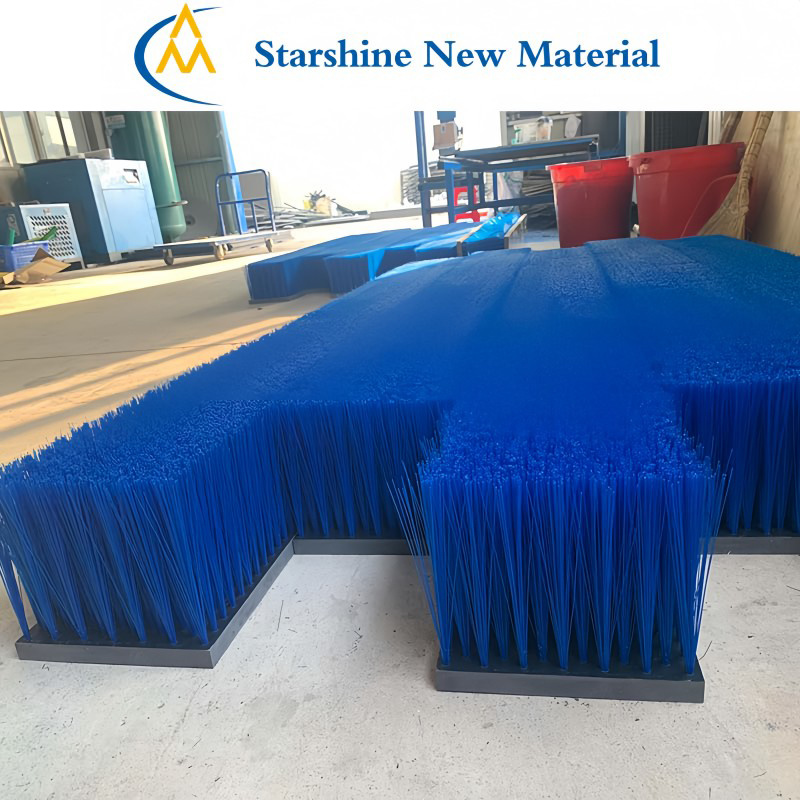
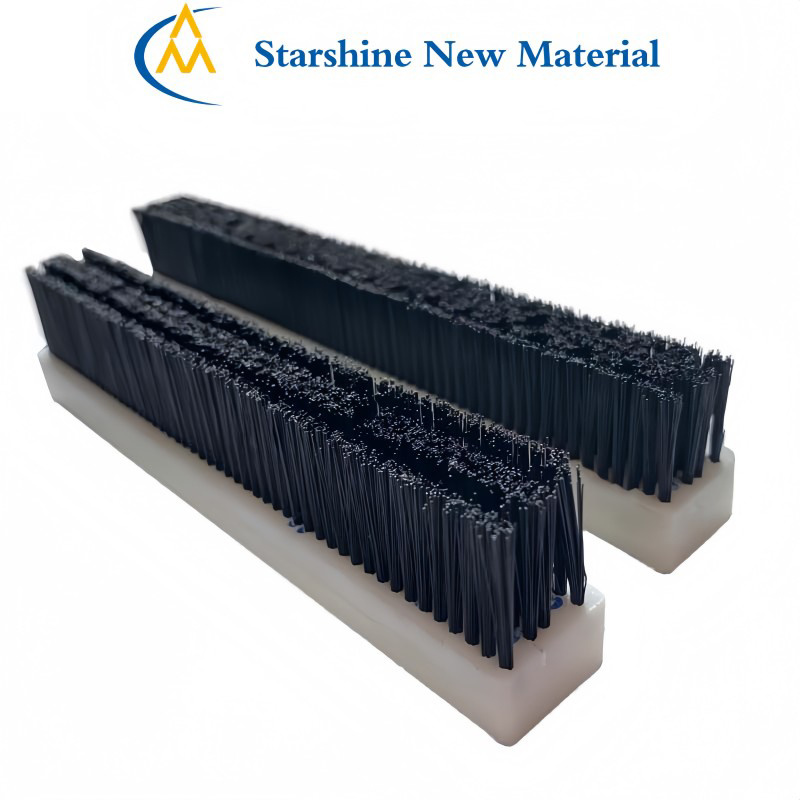
Industrial-Grade Steel Wire Cast Brush Series
Industrial-Grade Steel Wire Cast Brush Series: Core Solution for Heavy-Load Grinding
Steel Wire Cast Disc Brushes, Steel Wire End Brushes, Thickened Steel Wire Brushes, Disc Brushes, Glue-Injected Brushes, Automotive Grinding Brushes, and Steel Grinding Brushes form a specialized set of surface treatment tools developed for heavy-load industrial scenarios. With the technical core of "high-strength steel wire as the core + cast/glue-injection process for firm fixation", this series leverages the high hardness, high wear resistance of steel wires and the firmness of cast structures. It provides a "wire-free, high-speed resistant, and efficient" solution for the needs of "rough grinding and rust removal, heavy-load deburring, and large-area grinding" in fields such as automotive manufacturing and steel processing. Addressing the pain points of traditional bound steel wire brushes, such as "short service life, loose wire planting, and poor load resistance", it has become a standard tool for industrial heavy-load processing.
I. Core Product Features: Dual Empowerment of Steel Wire Material and Casting Process
The competitiveness of this product series stems from the in-depth integration of "steel wire selection tailored to working conditions" and "cast/glue-injection process ensuring operational stability". Each tool achieves function concentration through material grading and structural optimization.
1. Core Support: Steel Wire Material Grading and Advantages of Casting Process
Based on the load intensity and environmental requirements of different industries, differentiated steel wire materials and integrated casting/glue-injection processes are adopted to build the core performance barrier of the tool:
- Graded Selection of Steel Wire Materials: Covering three categories: low-carbon steel (carbon content 0.12-0.25%), high-carbon steel (carbon content 0.6-0.9%), and stainless steel (304/316L). Low-carbon steel wires have a hardness of HRC30-35 and good flexibility, suitable for light grinding of scratch-prone workpieces such as automotive bodies; high-carbon steel wires have a hardness of HRC45-55, and their wear resistance is 3 times that of low-carbon steel, suitable for heavy-load grinding of steel and castings; stainless steel wires are acid and alkali corrosion resistant, suitable for humid/corrosive environments such as automotive chassis and marine engineering steel. Steel wire diameters are available in gradients of 0.3-2.0mm, and the thickened version (1.2-2.0mm) is specially designed for thick rust layers and heavy burrs.
- Core Advantages of Casting/Glue-Injection Process: Adopting "epoxy resin/polyurethane casting" or "high-temperature glue injection" process, the steel wire and metal/plastic base are completely cured into one. Compared with traditional binding type, the wire planting firmness is increased by 80%, and the steel wire loss rate is ≤ 0.1%/500 hours; there is no gap between the base and the brush head joint surface, which can withstand high temperatures of 100-200℃ and high-speed rotation of 1500-3000 rpm, avoiding brush head loosening during high-speed operation; the glue injection layer has buffering properties, which can reduce the rigid impact of steel wires on the workpiece and lower the risk of scratches.
- Common Performance Benchmark: All series products have a wire planting density of 80-300 wires per square centimeter, a brush head radial runout error of ≤ 0.2mm, an impact load resistance of ≥ 50N, and can operate stably in an environment of -20℃-180℃, suitable for both dry and wet grinding scenarios (dry grinding for rust removal, wet grinding for chip removal).
2. Classified Structural Design: Functional Optimization for Scenario Adaptation
Aiming at different needs such as disc grinding, end face processing, and narrow space operation, "efficient coverage + convenient operation" is realized through the customization of brush head shape, base type, and connection method:
- Steel Wire Cast Disc Brush: Core shape of "circular brush head + central shaft hole". The brush head diameter is 50-300mm, thickness is 15-50mm, and steel wire length is 10-30mm. The base is made of 45# steel or aluminum alloy, with a shaft hole of φ10-φ50mm (adapter sleeves available), compatible with high-speed equipment such as angle grinders and polishing machines. Adopting "radial wire planting", the grinding surface is flat, suitable for large-area rust removal and rough grinding of automotive bodies and steel plates. The thickened steel wire version (diameter 1.5-2.0mm) can handle riser burrs on casting surfaces.
- Steel Wire End Brush: Featured with "end face wire planting + flat base". The brush surface diameter is 20-100mm, thickness is 8-20mm. The base is a circular or square metal plate, equipped with M8-M16 standard threaded interfaces, which can be directly connected to electric drills. Steel wires are planted vertically along the base end face, suitable for burr cleaning of flan
- Commodity name: Industrial-Grade Steel Wire Cast Brush Series
- Description
-
Industrial-Grade Steel Wire Cast Brush Series: Core Solution for Heavy-Load Grinding
Steel Wire Cast Disc Brushes, Steel Wire End Brushes, Thickened Steel Wire Brushes, Disc Brushes, Glue-Injected Brushes, Automotive Grinding Brushes, and Steel Grinding Brushes form a specialized set of surface treatment tools developed for heavy-load industrial scenarios. With the technical core of "high-strength steel wire as the core + cast/glue-injection process for firm fixation", this series leverages the high hardness, high wear resistance of steel wires and the firmness of cast structures. It provides a "wire-free, high-speed resistant, and efficient" solution for the needs of "rough grinding and rust removal, heavy-load deburring, and large-area grinding" in fields such as automotive manufacturing and steel processing. Addressing the pain points of traditional bound steel wire brushes, such as "short service life, loose wire planting, and poor load resistance", it has become a standard tool for industrial heavy-load processing.I. Core Product Features: Dual Empowerment of Steel Wire Material and Casting Process
The competitiveness of this product series stems from the in-depth integration of "steel wire selection tailored to working conditions" and "cast/glue-injection process ensuring operational stability". Each tool achieves function concentration through material grading and structural optimization.1. Core Support: Steel Wire Material Grading and Advantages of Casting Process
Based on the load intensity and environmental requirements of different industries, differentiated steel wire materials and integrated casting/glue-injection processes are adopted to build the core performance barrier of the tool:Graded Selection of Steel Wire Materials: Covering three categories: low-carbon steel (carbon content 0.12-0.25%), high-carbon steel (carbon content 0.6-0.9%), and stainless steel (304/316L). Low-carbon steel wires have a hardness of HRC30-35 and good flexibility, suitable for light grinding of scratch-prone workpieces such as automotive bodies; high-carbon steel wires have a hardness of HRC45-55, and their wear resistance is 3 times that of low-carbon steel, suitable for heavy-load grinding of steel and castings; stainless steel wires are acid and alkali corrosion resistant, suitable for humid/corrosive environments such as automotive chassis and marine engineering steel. Steel wire diameters are available in gradients of 0.3-2.0mm, and the thickened version (1.2-2.0mm) is specially designed for thick rust layers and heavy burrs.Core Advantages of Casting/Glue-Injection Process: Adopting "epoxy resin/polyurethane casting" or "high-temperature glue injection" process, the steel wire and metal/plastic base are completely cured into one. Compared with traditional binding type, the wire planting firmness is increased by 80%, and the steel wire loss rate is ≤ 0.1%/500 hours; there is no gap between the base and the brush head joint surface, which can withstand high temperatures of 100-200℃ and high-speed rotation of 1500-3000 rpm, avoiding brush head loosening during high-speed operation; the glue injection layer has buffering properties, which can reduce the rigid impact of steel wires on the workpiece and lower the risk of scratches.Common Performance Benchmark: All series products have a wire planting density of 80-300 wires per square centimeter, a brush head radial runout error of ≤ 0.2mm, an impact load resistance of ≥ 50N, and can operate stably in an environment of -20℃-180℃, suitable for both dry and wet grinding scenarios (dry grinding for rust removal, wet grinding for chip removal).2. Classified Structural Design: Functional Optimization for Scenario Adaptation
Aiming at different needs such as disc grinding, end face processing, and narrow space operation, "efficient coverage + convenient operation" is realized through the customization of brush head shape, base type, and connection method:Steel Wire Cast Disc Brush: Core shape of "circular brush head + central shaft hole". The brush head diameter is 50-300mm, thickness is 15-50mm, and steel wire length is 10-30mm. The base is made of 45# steel or aluminum alloy, with a shaft hole of φ10-φ50mm (adapter sleeves available), compatible with high-speed equipment such as angle grinders and polishing machines. Adopting "radial wire planting", the grinding surface is flat, suitable for large-area rust removal and rough grinding of automotive bodies and steel plates. The thickened steel wire version (diameter 1.5-2.0mm) can handle riser burrs on casting surfaces.Steel Wire End Brush: Featured with "end face wire planting + flat base". The brush surface diameter is 20-100mm, thickness is 8-20mm. The base is a circular or square metal plate, equipped with M8-M16 standard threaded interfaces, which can be directly connected to electric drills. Steel wires are planted vertically along the base end face, suitable for burr cleaning of flange end faces and gear end faces, as well as sealing surface grinding. The edge of the brush surface is rounded to avoid scratching the end face sealing groove.Thickened Steel Wire Brush: Focusing on "heavy-load resistance", with a steel wire diameter of 1.2-2.0mm (high-carbon steel material, HRC50-55) and a wire planting density of 120-200 wires per square centimeter, available in two forms: disc and plate. The disc version is compatible with large grinders, used for steel pretreatment (removing oxide scale and thick rust layers); the plate version is equipped with a solid wood handle, manually used for local rust removal of large pipelines and steel structures. A single steel wire can withstand a grinding force of more than 10N without breaking.Glue-Injected Brushes and Specialized Grinding Brushes: Glue-injected brushes adopt polyurethane glue injection process, with better oil resistance than epoxy resin versions, suitable for simultaneous oil stain and burr treatment of automotive engine blocks and gearbox housings; automotive grinding brushes are customized models, with steel wire diameters of 0.3-0.8mm (low-carbon steel/stainless steel), and brush head shapes designed for different parts of the body sheet metal and wheel hubs - the curved version is used for body arc grinding, and the narrow version is used for wheel hub bolt hole cleaning; steel grinding brushes are divided into special for cold-rolled steel (0.5-1.0mm steel wire) and special for hot-rolled steel (1.0-1.5mm steel wire), matching the roughness requirements of different steel surfaces.II. Core Application Scenarios: Focusing on Heavy-Load and Specialized Grinding Needs
With the combined advantages of "high-hardness steel wire + firm cast structure", this series of tools has deeply penetrated heavy-load industries such as automotive manufacturing, steel processing, and hardware molds, covering the entire process of "pretreatment - processing - maintenance".1. Automotive Manufacturing and Aftermarket: Precision Grinding of Vehicle Bodies and Components
In automotive production, body shaping, component processing, and after-sales maintenance have strict requirements on the "precision + durability" of grinding tools, and this series of tools forms a targeted solution:Body Manufacturing Process: After the welding of automotive body sheet metal parts, a 150-200mm diameter steel wire cast disc brush (0.5-0.8mm low-carbon steel wire) combined with an angle grinder is used to remove welding slag and spatter at the weld. After grinding, the weld is smooth without damaging the sheet metal substrate; the hole burrs of the body frame are cleaned with a steel wire end brush (φ30-φ50mm) to ensure smooth subsequent assembly.Powertrain Processing: The casting burrs of the engine block are treated with a thickened steel wire brush (1.2mm high-carbon steel). For deep cavity parts such as the block water jacket and oil passage, a glue-injected brush with a long thin rod is used to deeply clean the internal burrs and prevent impurities from entering the combustion chamber; the joint surface of the gearbox housing is ground with an end brush to ensure sealing performance and reduce the risk of oil leakage.Aftermarket Maintenance Field: The rusty parts of the automotive chassis (such as suspension brackets and exhaust pipes) are derusted with a stainless steel wire brush (0.8-1.0mm) to prevent the rust layer from expanding; during wheel hub renovation, a narrow steel wire cast disc brush is used to clean scratches and oxide layers on the wheel hub surface in preparation for painting, and the thickened steel wire version can handle collision burrs on the wheel hub edge.2. Steel Processing and Steel Structure Engineering: Pretreatment and Surface Finishing
The entire process of steel from rolling to forming requires grinding to achieve "oxidation removal, defect elimination, and adhesion enhancement", and this series of tools is suitable for different steel types and processing stages:Steel Pretreatment: Before leaving the factory, hot-rolled steel plates and sections are treated with a thickened steel wire brush (1.5-2.0mm high-carbon steel) combined with a steel pretreatment line to remove surface oxide scale (iron sheet) and rust. After treatment, the steel surface roughness reaches Ra2.5-5μm, improving the adhesion of subsequent coatings (paint, galvanizing); stainless steel plates (304/316L) are ground with stainless steel wire brushes to avoid rust caused by iron ion contamination.Steel Structure Manufacturing: The welding joints of bridge and factory steel structures are post-weld ground with a steel wire cast disc brush (diameter 200-300mm) to remove weld beads and weld reinforcement, making the joint surface meet mechanical performance requirements; the steel structure bolt connection surface is manually ground with a plate-shaped thickened steel wire brush to remove oil stains and floating rust, ensuring the bolt pre-tightening force meets the standard.Pipe and Profile Processing: The pipe orifice burrs of seamless steel pipes are cleaned with an end brush (with a conical guide head) to avoid scratching the sealing ring during installation; the internal burrs of the notches of H-beams and channel steels are treated with a customized narrow steel wire brush to achieve uniform grinding inside and outside the notches.3. Hardware Molds and General Machinery: Mold Maintenance and Component Deburring
The precision of hardware molds and the surface quality of mechanical components rely on tools to achieve "precision deburring + no substrate damage", and this series of tools is suitable for complex structure processing:Mold Maintenance: After the edge of the stamping die is worn, a fine steel wire glue-injected brush (0.3-0.5mm high-carbon steel) is used to lightly grind the edge to restore sharpness; the parting surface and exhaust groove of the injection mold are cleaned with an end brush to remove plastic residues and oil stains, avoiding mold contamination affecting product quality; the runner burrs of the die-casting mold are treated with a thickened steel wire brush to extend the mold service life.General Mechanical Components: The tooth surface burrs of gears and sprockets are cleaned with a steel wire end brush (φ20-φ40mm). After burr removal, the meshing noise is reduced and the transmission efficiency is improved; the sealing end faces of bearing seats and flanges are ground with a flat disc brush to ensure tight fitting of the seal and prevent leakage.Hardware Product Processing: The edge burrs of stamping parts such as radiators and hardware pendants are removed with a plate-shaped steel wire brush to improve product feel; the welding spots of metal meshes and steel gratings are ground with a fine steel wire disc brush to make the surface smooth and beautiful.4. Other Heavy-Load Scenarios: Ship and Construction Machinery Maintenance
Outdoor operation equipment such as ships and construction machinery faces humid and high-load operating environments, and the corrosion resistance and wear resistance advantages of this series of tools are prominent:Ship Manufacturing and Maintenance: The bottom and deck of the ship hull are derusted with a stainless steel wire cast disc brush (1.0-1.2mm), which can withstand the humid marine environment; the crankshaft, connecting rod and other components of the ship engine are cleaned of oil stains and carbon deposits with a glue-injected brush to ensure stable operation of the engine.Construction Machinery Maintenance: The bucket and track plate of excavators and loaders are cleaned of hardened soil and rust with a thickened steel wire brush (1.5-2.0mm); the interface burrs of hydraulic pipelines are cleaned with an end brush to prevent impurities from clogging the hydraulic valve and extend the service life of the hydraulic system.III. Selection Guidelines and Summary of Core Advantages
1. Scientific Selection Guidelines: Accurately Matching Working Conditions and Needs
Select steel wire by load intensity: For light load (automotive body, stainless steel), choose 0.3-0.8mm low-carbon steel/stainless steel wire; for medium load (mold, flange), choose 0.8-1.2mm high-carbon steel wire; for heavy load (steel, casting), choose 1.2-2.0mm thickened high-carbon steel wire.Select products by structural shape: For large-area flat/curved surfaces, choose disc brushes; for end faces/sealing surfaces, choose end brushes; for deep cavities/holes, choose rod-equipped glue-injected brushes; for manual operation, choose plate-shaped brushes; for high-speed equipment, choose cast disc brushes.Select process and material by environment: For humid/corrosive environments, choose stainless steel wire + polyurethane glue injection; for high-temperature/high-speed scenarios, choose high-carbon steel + epoxy resin casting; for oil-contaminated scenarios, choose glue-injected brushes (better oil resistance than ordinary casting).2. Core Competitive Advantages: Exclusive Value in Heavy-Load Scenarios
Compared with ordinary steel wire brushes or copper wire brushes, this series of products has three core advantages: First, strong load resistance. The combination of thickened steel wire and casting process can withstand heavy-load grinding, and the service life is 5-8 times that of bound steel wire brushes. Second, high operational stability. The wires are firmly planted without falling off, and the brush head has small radial runout, avoiding uneven grinding marks on the workpiece surface. Third, wide scenario adaptability. Covering different precision and intensity needs from automotive precision grinding to steel heavy-load rust removal, reducing the frequency of tool replacement.With the increasing demand for "efficient + durable" tools in industrial manufacturing, this series of steel wire cast brushes will continue to adapt to higher-end heavy-load scenarios such as aerospace and heavy equipment through steel wire material upgrading (such as wear-resistant alloy steel wires) and process optimization (such as high-temperature resistant glue injection), becoming a core tool in the industrial grinding field.
Message
Please provide the following valid information, and we will contact you as soon as possible.
Mobile:
Wechat/Whatsapp:
E-mail:
Address:
No. 123 Yuantan Avenue, Yuantan Town, Anqing City, Anhui Province, China


Online Message
If you have any product related questions, please feel free to contact us!
Copyright © 2025 Starshine New Materials Technology Co., Ltd.
Business License