


PRODUCTS
PRODUCTS

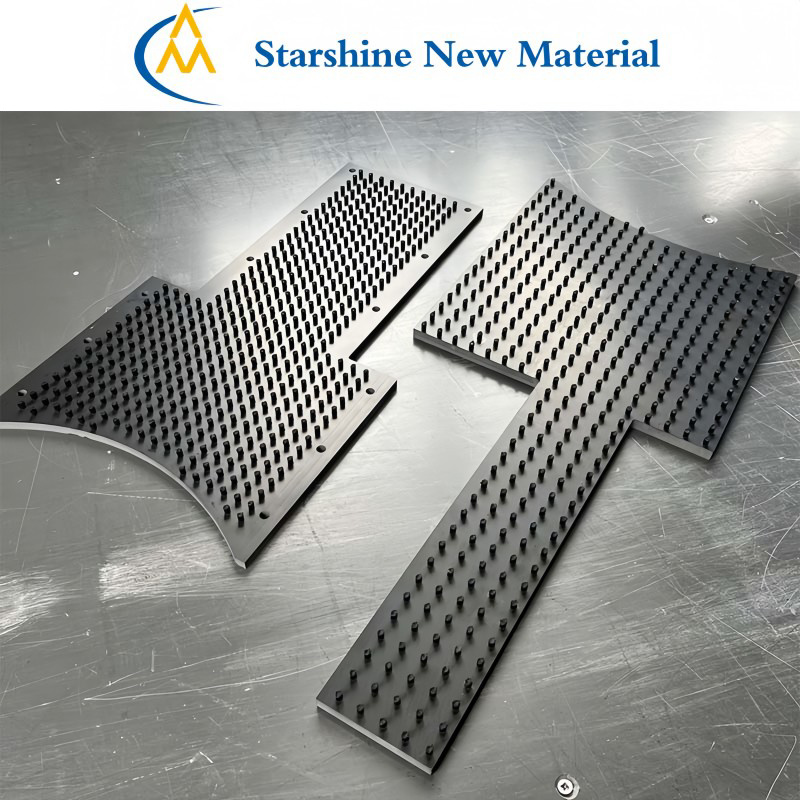
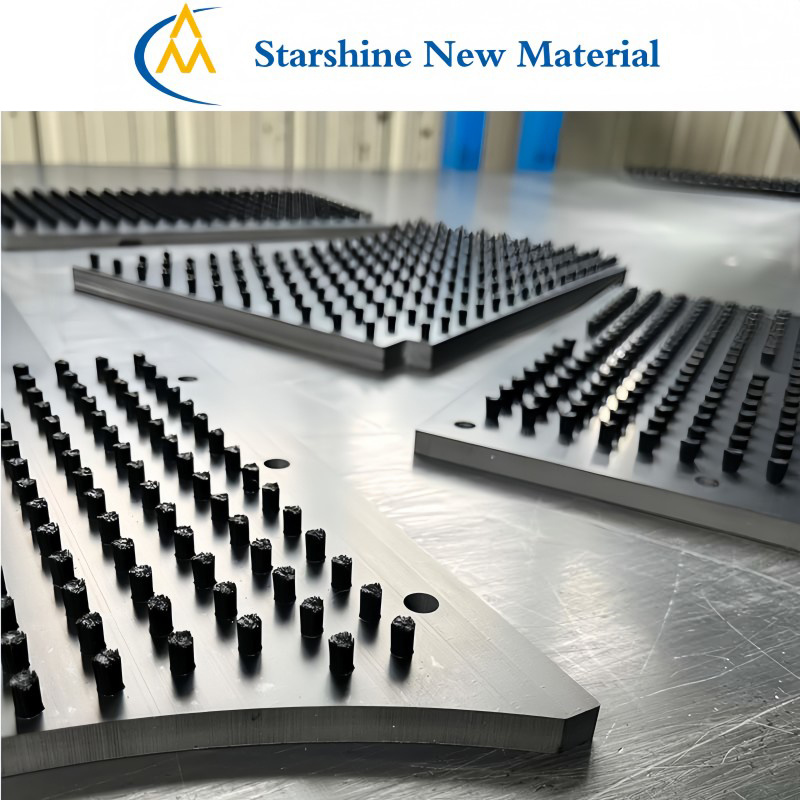
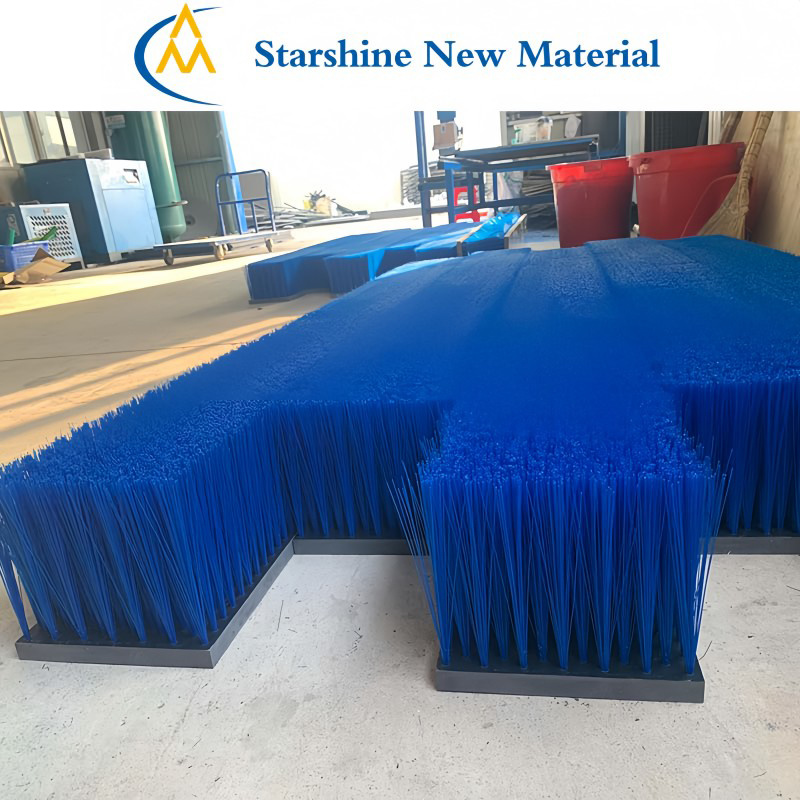
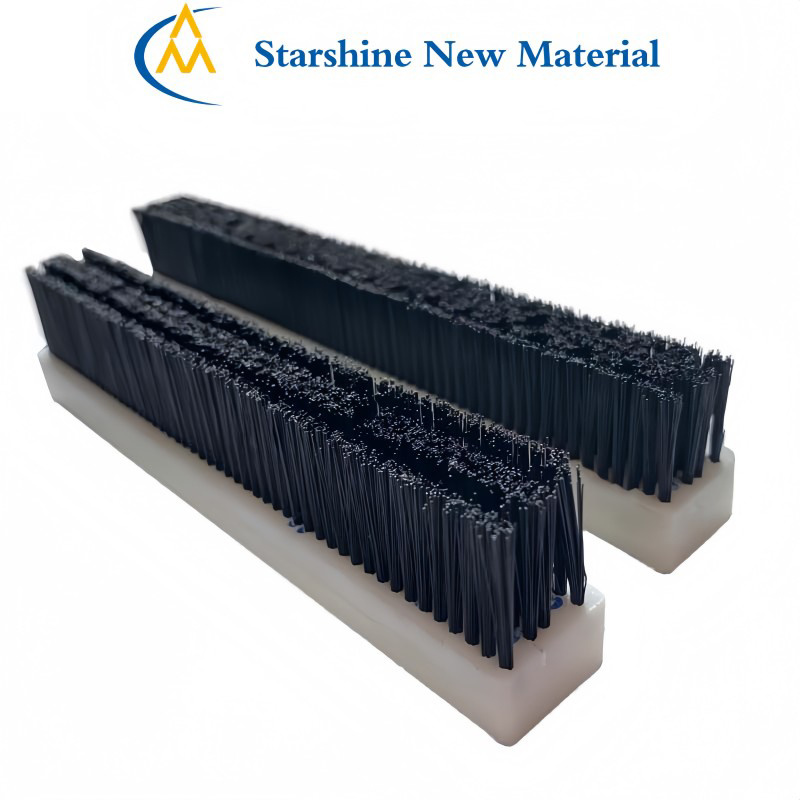
PVC Plate Brush
Panel brushes are a hard-bristled cleaning tool, mainly used for strong cleaning or surface treatment. The bristles are mostly nylon, pig bristle or steel wire, suitable for removing stubborn stains, rust, paint or polishing wood and metal.
- Commodity name: PVC Plate Brush
- Description
-
Introduction and Application of Plate Brushes
I. Core Product Introduction
1.1 Basic Definition
A plate brush is a versatile brushing tool composed of brush filaments fixed on one or more sides of a rigid or flexible plate (serving as the carrier). Leveraging its composite structure of "brush plate + brush filaments", it can perform large-area cleaning, dust removal, dirt removal, polishing, and other operations through manual pressing or mechanical driving. With a simple structure and convenient operation, the arrangement density and length of the brush filaments can be flexibly adjusted. It is suitable for efficient processing of flat surfaces and targeted cleaning of uneven areas, making it an indispensable basic tool in industrial production and daily life.1.2 Core Composition and Material Classification
The performance and application scenarios of a plate brush are mainly determined by the materials of its two core components: the brush plate and the brush filaments. Different material combinations form product series with distinct functions:1.2.1 Brush Plate (Carrier) Materials
Wooden Brush Plates: Made from pine, poplar, hardwood, etc., they are lightweight and comfortable to hold. Their surfaces are mostly polished and anti-corrosive treated, making them suitable for household cleaning plate brushes. Hardwood brush plates have higher strength and can be used in light industrial dust removal scenarios, but they should be avoided from long-term soaking in water to prevent mildew.Plastic Brush Plates: The mainstream materials include PP (polypropylene), PE (polyethylene), and ABS engineering plastics, which have the properties of acid and alkali resistance, water and moisture resistance, and light weight. PP brush plates have good toughness and are suitable for repeated pressing operations; ABS brush plates have high hardness and can be used in mechanically fixed automated production lines, making them the most widely used type of brush plate currently.Metal Brush Plates: Made of stainless steel, aluminum alloy, and other materials, they have high strength, high temperature resistance, and wear resistance, and can withstand high-pressure and high-speed industrial working environments. They are mainly used in heavy-duty scenarios such as metal surface treatment and high-temperature equipment cleaning. Some products are coated with anti-rust layers on the surface to further improve durability.Flexible Brush Plates: Made of rubber, silica gel, or flexible PVC, they can be bent to fit curved or irregular surfaces. They are suitable for cleaning and polishing special parts such as car bodies and furniture curved surfaces, avoiding scratches on precision surfaces caused by rigid brush plates.1.2.2 Brush Filament Materials
Natural Material Brush Filaments: Including pig bristles, horsehair, wool, sisal, etc., they are soft to the touch and environmentally friendly. Pig bristles have moderate hardness and wear resistance, suitable for cleaning and polishing wooden floors and furniture; horsehair is thin and can be used for dust removal on clothing and musical instrument surfaces; sisal fibers have strong oil absorption and are often used for kitchen oil stain cleaning and industrial oil removal operations.Synthetic Fiber Brush Filaments: Covering nylon (PA), polyester (PET), polypropylene (PP), etc., they are the mainstream choice for industrial and household plate brushes. Nylon filaments have good elasticity and wear resistance; the PA66 type can withstand medium and high temperatures, suitable for cleaning home appliances and mechanical surfaces; polyester filaments have strong wrinkle resistance and are not easy to deform, often used for clothing brushes and carpet brushes; PP filaments have low cost and chemical corrosion resistance, suitable for outdoor dust removal and operations in acid-alkali environments.Abrasive Brush Filaments: Made by mixing abrasive particles such as silicon carbide and aluminum oxide into nylon or polyester filaments, they have both cleaning and grinding functions. According to the abrasive mesh size, they can be divided into rough grinding, medium grinding, and fine grinding grades, mainly used in industrial scenarios such as metal surface deburring, weld cleaning, and stone polishing.Special Function Brush Filaments: Including anti-static nylon filaments (for cleaning in electronic workshops), antibacterial nylon filaments (for medical and food industries), and high-temperature resistant ceramic fibers (for cleaning kilns, boilers, and other equipment), providing customized solutions for specific working conditions.1.3 Outstanding Features
Flexible and Efficient Operation: The brush plate structure is convenient for hand-holding or mechanical fixing. The large coverage area of the brush filaments can significantly improve the operation efficiency on flat surfaces compared with circular brushes. Manual plate brushes usually weigh 100-500g, making them not tiring for long-term operation.Strong Scene Adaptability: By adjusting the brush plate size (from 10cm for small household use to 100cm for large industrial use), brush filament hardness, and density, it can adapt to various processing needs from microelectronic components to large equipment, and can work stably in both dry and wet working conditions.Balanced Durability and Economy: Core components are easy to replace; some products support separate replacement of brush filaments, reducing usage costs. Synthetic material brush plates have a service life of 1-3 years, and industrial-grade metal brush plates can have a service life extended to more than 5 years under standard use.Dead-Corner-Free Cleaning: The brush filaments are densely arranged and have a certain elasticity, which can penetrate into gaps, grooves, and other areas. Combined with the rigid support of the brush plate, they can effectively remove stubborn stains attached to the surface, avoiding the problem of "incomplete cleaning" with traditional rags.II. Main Application Scenarios
The application of plate brushes covers multiple fields such as industrial manufacturing, home life, and commercial services. According to the operation intensity and functional requirements, they can be divided into three major application categories: industrial-grade, household-grade, and professional-grade:2.1 Industrial Manufacturing Field
Industrial-grade plate brushes mostly adopt metal or high-strength plastic brush plates, matched with abrasive filaments or wear-resistant synthetic fiber brush filaments, and are mainly used for surface pretreatment and cleaning maintenance:2.1.1 Metal Processing Industry
Pretreatment stage: Abrasive filament plate brushes are used to clean oxide scales, rust, and processing debris on the surfaces of steel plates and aluminum profiles, preparing for subsequent spraying and electroplating;Finished product processing: Fine-mesh abrasive filament plate brushes are used for surface fine grinding of hardware parts and auto parts to remove burrs and improve surface finish;Equipment maintenance: High-temperature resistant plate brushes are used to clean oil stains and iron filings on machine tool guide rails and mold surfaces, preventing impurities from affecting equipment accuracy.2.1.2 Textile and Printing & Dyeing Industry
Plate brushes with flexible nylon or polyester filaments realize multiple functions in the production process: first, cleaning floating wool and cotton lint on the surface of textile fabrics to improve fabric flatness; second, assisting in the uniform adhesion of dyes during the printing and dyeing process, enhancing color fastness through gentle brushing; third, napping knitwear to create a specific fabric texture.2.1.3 Building Materials and Stone Industry
Stone processing: Rough abrasive filament plate brushes are used to grind the surfaces of marble and granite, removing cutting marks and creating a matte texture;Plate processing: Cleaning dust and burrs on the surfaces of wood boards and gypsum boards to prepare for the coating process. Wooden brush plates matched with soft brush filaments can avoid damage to the plate surfaces.2.2 Home Life Field
Household plate brushes are characterized by light weight, environmental protection, and easy cleaning. They mostly adopt plastic or wooden brush plates, matched with natural bristles or soft synthetic fiber brush filaments, and have rich segmented scenarios:2.2.1 Kitchen Cleaning
Specialized kitchen plate brushes are mostly equipped with PP brush plates and oil-resistant nylon brush filaments, and some products have a hanging hole design for easy storage. They can be used to clean oil stains on the stove top and range hood surface. The edges of the brush plates are designed to be sharp to penetrate into sink gaps and tile gaps to remove food residues. High-temperature resistant models can be directly used for cleaning baking trays and cookware.2.2.2 Bedroom and Living Room Cleaning
Carpet cleaning: Long-handled plate brushes (with detachable brush plates and handles) matched with elastic nylon brush filaments are used to penetrate into carpet fibers to clean dust and hair, avoiding deep dirt that is difficult to handle with traditional vacuum cleaners;Furniture and clothing care: Plate brushes with horsehair or wool brush filaments can be used to clean floating dust on sofas and curtains. The soft texture of wooden brush plates will not damage fabric or leather surfaces; small clothing plate brushes can remove lint and floating hair from coats and sweaters, keeping clothing neat.2.2.3 Outdoor and Courtyard Cleaning
Plate brushes with hard PP filaments or sisal brush filaments, matched with high-strength plastic brush plates, can be used to clean sand and mud on balcony floors and courtyard stone roads, as well as dirt on outdoor furniture and bicycles. The waterproof material can be directly cleaned by rinsing with water.2.3 Professional Services and Special Fields
Medical and Food Industries: Plate brushes with antibacterial nylon filaments are used, and the brush plates are made of food-grade PP material, which can be sterilized at high temperatures. They are used to clean the surfaces of medical equipment, conveyors, and operating tables of food processing equipment to avoid cross-contamination;Electronics and Laboratory Fields: Anti-static nylon filament plate brushes can clean dust on electronic components and circuit boards, avoiding electrostatic damage to precision instruments; specialized laboratory plate brushes adopt chemical corrosion-resistant brush filaments, which can clean chemical residues on laboratory benches and containers;Automotive Cosmetology: Flexible rubber brush plates matched with ultra-fine fiber brush filaments can clean dust and stains on car bodies and window glass. The brush plates can be bent to fit the curved surfaces of car bodies, avoiding scratches on the car paint; specialized tire plate brushes adopt a hard bristle design to clean stones and sand in tire grooves.III. Core Selection Suggestions
The selection of plate brushes should be matched around the three core elements of "scenario - material - size" to avoid low efficiency or surface damage caused by mismatched functions:Industrial heavy-duty operations (metal deburring, stone grinding): Priority should be given to metal brush plates + rough-mesh abrasive filaments, and the brush plate size should be 30-100cm according to the workpiece size;Precision surface treatment (electronic components, furniture polishing): Choose flexible brush plates (rubber/PVC) + fine nylon filaments/natural bristles, with a brush filament density of ≥80 filaments/cm²;Household kitchen cleaning: PP brush plates + oil-resistant nylon filaments are recommended, with the brush plate having a non-slip handle and hanging design, and the brush filament length being 5-8mm;Special environments (food/medical/anti-static): Corresponding certified materials (food-grade PP, antibacterial nylon, anti-static filaments) must be selected, and natural materials should be avoided to prevent bacterial growth.In addition, during use, the pressing force should be controlled according to the operation intensity to avoid brush filament falling off due to excessive bending; regularly cleaning residual impurities in the brush filaments can significantly extend the service life of the plate brush.
Message
Please provide the following valid information, and we will contact you as soon as possible.
Mobile:
Wechat/Whatsapp:
E-mail:
Address:
No. 123 Yuantan Avenue, Yuantan Town, Anqing City, Anhui Province, China


Online Message
If you have any product related questions, please feel free to contact us!
Copyright © 2025 Starshine New Materials Technology Co., Ltd.
Business License