


PRODUCTS
PRODUCTS

Sisal polishing brush
Natural Sisal Polishing Tool Series: Eco-Friendly Solutions for Polishing, Grinding and Anti-Static Protection
Sisal Polishing Wheels, Sisal Polishing & Grinding Cleaning Brushes, and Anti-Static Sisal Small Wheels form a series of eco-friendly surface treatment tools developed based on the properties of natural sisal fibers. Centered on the core concept of "natural materials empowering functions + structural optimization adapting to scenarios", this series leverages the inherent advantages of sisal fibers such as wear resistance, oil absorption, and anti-static properties (for customized models). It covers the full range of needs from large-area polishing to precision cleaning, and from general surface treatment to anti-static scenarios. The series addresses the pain points of traditional chemical synthetic materials, including "high pollution, easy workpiece damage, and static electricity hazards", and is widely used in metal processing, furniture manufacturing, electronic equipment, and other fields.
I. Core Product Features: Dual Empowerment of Natural Materials and Structural Design
The core competitiveness of this product series stems from the precise combination of the natural properties of sisal fibers and scenario-based structural design. Each tool achieves function concentration through material modification and shape optimization.
1. Core Material Advantages: Unique Properties of Natural Sisal Fibers
As a perennial hard leaf fiber plant, sisal fibers possess inherent advantages far surpassing ordinary synthetic fibers, providing fundamental support for tool functions:
- High Wear Resistance and Toughness: Sisal fibers have a crystallinity of over 70% and a breaking strength ≥ 7.5cN/dtex. Their wear resistance is 2-3 times that of ordinary nylon fibers, with a fiber loss rate of less than 8% after 8 hours of continuous polishing, making them suitable for long-term high-frequency operations. The fiber elastic recovery rate reaches 65%, which can adapt to the conformable grinding of curved workpieces and avoid hard scratches.
- Natural Oil Absorption and Cleaning Power: The fiber surface is covered with tiny pores, with an oil absorption rate of up to 150% of its own weight. During polishing, it can absorb oil stains, metal chips, and polishing agent residues on the workpiece surface, reducing secondary pollution. In a dry state, the micro-spine structure on the fiber surface can generate moderate friction, achieving "grinding without scratching and cleaning without dead ends".
- Environmental Protection and Adaptability: The natural degradation rate reaches 100% without chemical residue pollution, making it suitable for scenarios with strict environmental requirements such as food machinery and children's furniture. The fibers have excellent chemical stability, tolerating weak acids and alkalis (pH 4-9) and high temperatures below 120℃, and are adaptable to various processing environments.
- Anti-Static Modification Upgrade: The anti-static sisal small wheels are impregnated with conductive polymer materials on the fiber surface, stabilizing the tool surface resistance at 10⁶-10⁹Ω, which complies with the electronic industry anti-static standard (SJ/T 11564-2016). They can effectively discharge static electricity on the workpiece surface, preventing static adsorption of dust or breakdown of precision components.
2. Structural Design of Each Product: Precise Optimization Oriented by Functions
To meet the needs of different operation scenarios, the series products adopt differentiated designs in shape, base, and filament planting methods to maximize their functions:
- Sisal Polishing Wheel: Adopts a "multi-layered sisal fiber lamination + rigid base" structure. The wheel diameter has gradient options from 80-300mm, and the thickness ranges from 15-50mm. The base is divided into two types: metal (aluminum alloy/steel plate) and plastic. The metal base is compatible with high-speed equipment such as grinders and polishing machines (rotating speed 1000-3000 rpm) for large-area metal polishing; the plastic base is compatible with hand tools for polishing flexible materials such as furniture and musical instruments. The wheel edge is processed with arc chamfering to avoid scratching the workpiece edges during operation.
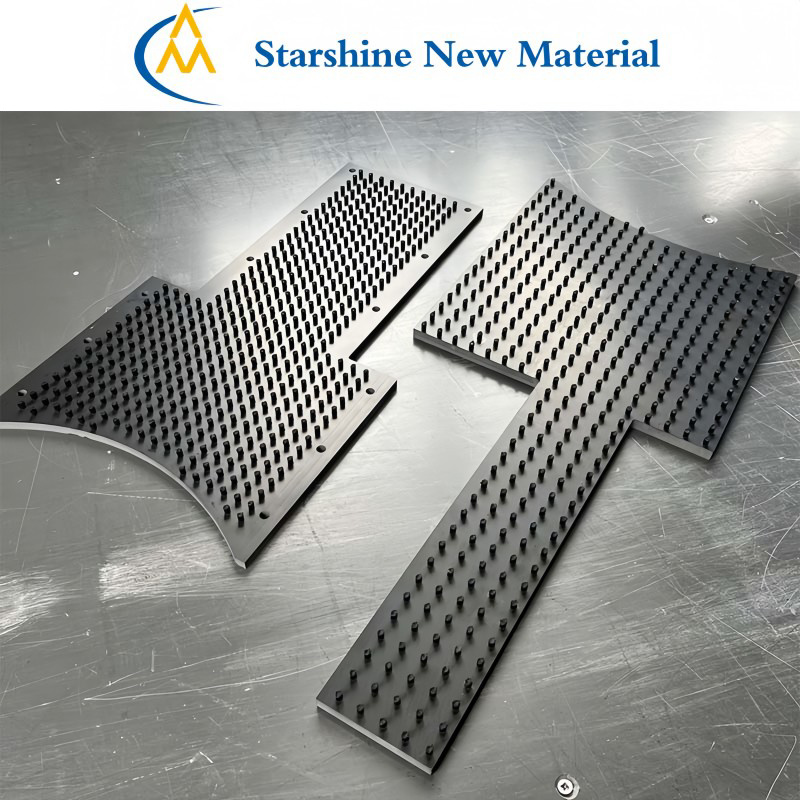
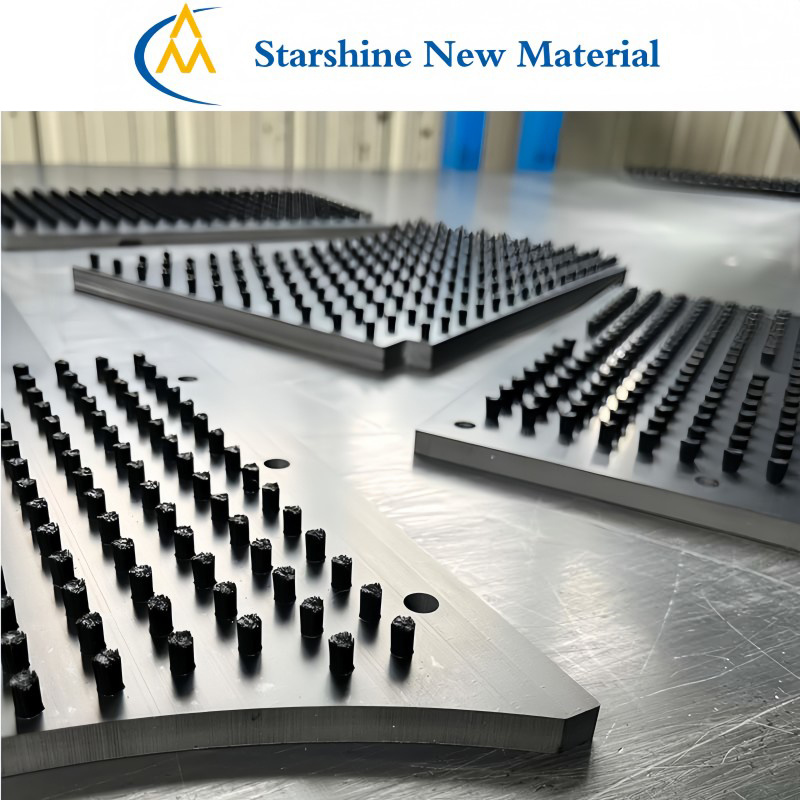
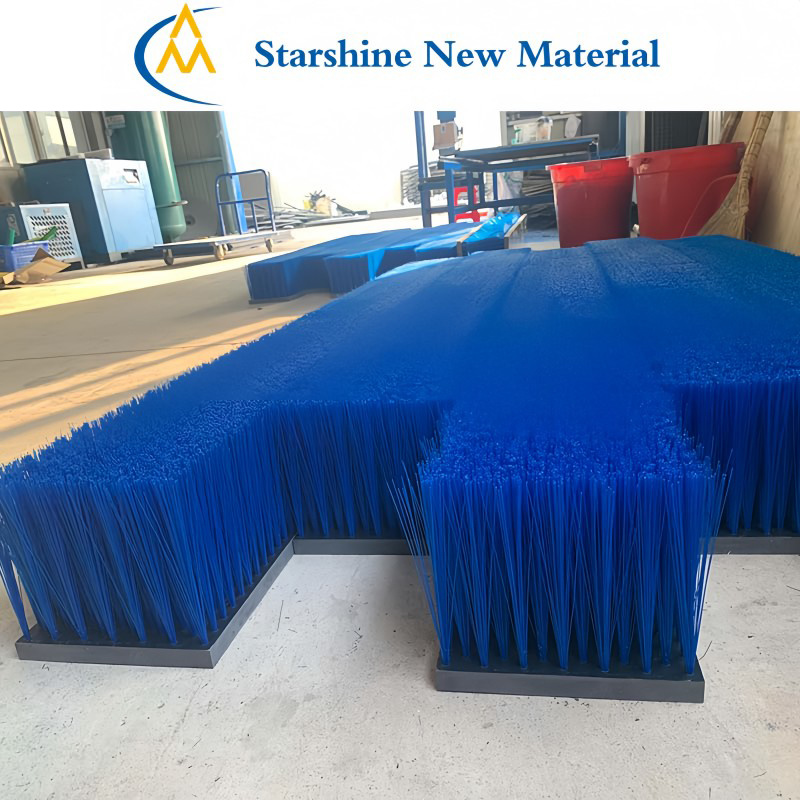
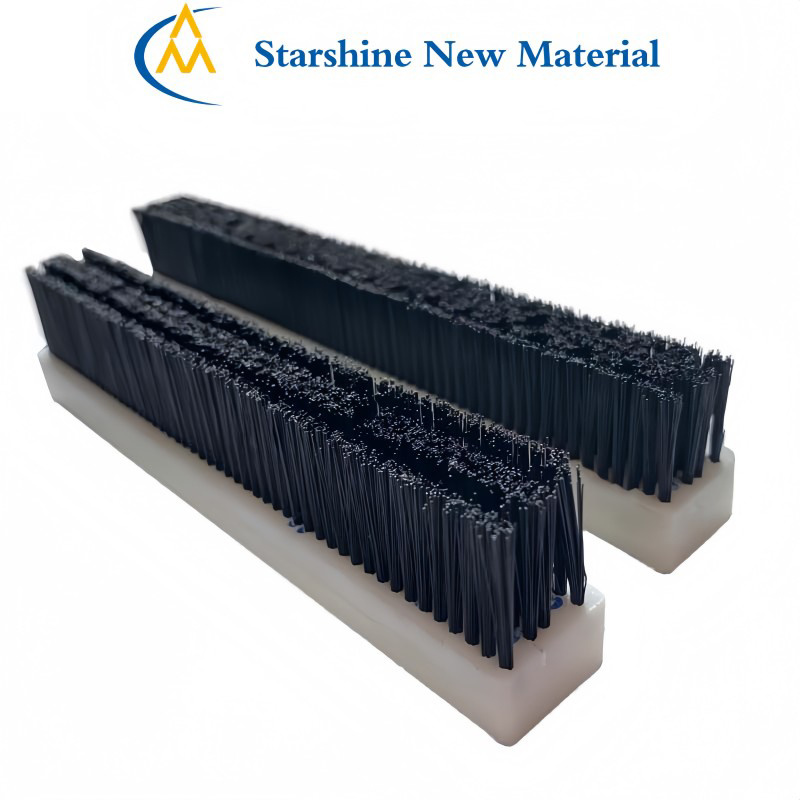
- Sisal Polishing & Grinding Cleaning Brush: Divided into two forms: "plate brush" and "round brush". The plate brush adopts a "high-density filament planting + solid wood handle" design, with a filament density of 1200 filaments per square centimeter and a brush surface width of 20-80mm, suitable for grinding and cleaning flat workpieces. The round brush adopts a "hollow shaft + spiral filament planting" structure, with a shaft diameter of φ6-φ16mm, compatible with electric drills and electric grinders. The filament length is 5-20mm, which can work in narrow spaces such as pipelines and gear tooth grooves. Some models use "sisal + pig bristle" composite filaments, balancing g
- Commodity name: Sisal polishing brush
- Description
-
Natural Sisal Polishing Tool Series: Eco-Friendly Solutions for Polishing, Grinding and Anti-Static Protection
Sisal Polishing Wheels, Sisal Polishing & Grinding Cleaning Brushes, and Anti-Static Sisal Small Wheels form a series of eco-friendly surface treatment tools developed based on the properties of natural sisal fibers. Centered on the core concept of "natural materials empowering functions + structural optimization adapting to scenarios", this series leverages the inherent advantages of sisal fibers such as wear resistance, oil absorption, and anti-static properties (for customized models). It covers the full range of needs from large-area polishing to precision cleaning, and from general surface treatment to anti-static scenarios. The series addresses the pain points of traditional chemical synthetic materials, including "high pollution, easy workpiece damage, and static electricity hazards", and is widely used in metal processing, furniture manufacturing, electronic equipment, and other fields.I. Core Product Features: Dual Empowerment of Natural Materials and Structural Design
The core competitiveness of this product series stems from the precise combination of the natural properties of sisal fibers and scenario-based structural design. Each tool achieves function concentration through material modification and shape optimization.1. Core Material Advantages: Unique Properties of Natural Sisal Fibers
As a perennial hard leaf fiber plant, sisal fibers possess inherent advantages far surpassing ordinary synthetic fibers, providing fundamental support for tool functions:High Wear Resistance and Toughness: Sisal fibers have a crystallinity of over 70% and a breaking strength ≥ 7.5cN/dtex. Their wear resistance is 2-3 times that of ordinary nylon fibers, with a fiber loss rate of less than 8% after 8 hours of continuous polishing, making them suitable for long-term high-frequency operations. The fiber elastic recovery rate reaches 65%, which can adapt to the conformable grinding of curved workpieces and avoid hard scratches.Natural Oil Absorption and Cleaning Power: The fiber surface is covered with tiny pores, with an oil absorption rate of up to 150% of its own weight. During polishing, it can absorb oil stains, metal chips, and polishing agent residues on the workpiece surface, reducing secondary pollution. In a dry state, the micro-spine structure on the fiber surface can generate moderate friction, achieving "grinding without scratching and cleaning without dead ends".Environmental Protection and Adaptability: The natural degradation rate reaches 100% without chemical residue pollution, making it suitable for scenarios with strict environmental requirements such as food machinery and children's furniture. The fibers have excellent chemical stability, tolerating weak acids and alkalis (pH 4-9) and high temperatures below 120℃, and are adaptable to various processing environments.Anti-Static Modification Upgrade: The anti-static sisal small wheels are impregnated with conductive polymer materials on the fiber surface, stabilizing the tool surface resistance at 10⁶-10⁹Ω, which complies with the electronic industry anti-static standard (SJ/T 11564-2016). They can effectively discharge static electricity on the workpiece surface, preventing static adsorption of dust or breakdown of precision components.2. Structural Design of Each Product: Precise Optimization Oriented by Functions
To meet the needs of different operation scenarios, the series products adopt differentiated designs in shape, base, and filament planting methods to maximize their functions:Sisal Polishing Wheel: Adopts a "multi-layered sisal fiber lamination + rigid base" structure. The wheel diameter has gradient options from 80-300mm, and the thickness ranges from 15-50mm. The base is divided into two types: metal (aluminum alloy/steel plate) and plastic. The metal base is compatible with high-speed equipment such as grinders and polishing machines (rotating speed 1000-3000 rpm) for large-area metal polishing; the plastic base is compatible with hand tools for polishing flexible materials such as furniture and musical instruments. The wheel edge is processed with arc chamfering to avoid scratching the workpiece edges during operation.Sisal Polishing & Grinding Cleaning Brush: Divided into two forms: "plate brush" and "round brush". The plate brush adopts a "high-density filament planting + solid wood handle" design, with a filament density of 1200 filaments per square centimeter and a brush surface width of 20-80mm, suitable for grinding and cleaning flat workpieces. The round brush adopts a "hollow shaft + spiral filament planting" structure, with a shaft diameter of φ6-φ16mm, compatible with electric drills and electric grinders. The filament length is 5-20mm, which can work in narrow spaces such as pipelines and gear tooth grooves. Some models use "sisal + pig bristle" composite filaments, balancing grinding force and precision.Anti-Static Sisal Small Wheel: Focuses on "miniaturization + anti-static". The wheel diameter ranges from 10-50mm, the thickness is 3-15mm, and the central hole diameter is φ2-φ8mm, compatible with micro motors or manual rotating shafts. The wheel body adopts a "sisal fiber and conductive fiber blended" process, with durable anti-static performance (after 500 friction tests, the surface resistance remains ≤ 10⁹Ω). The wheel surface is finely trimmed, with a flatness error ≤ 0.03mm, suitable for surface treatment of precision components.II. Core Application Scenarios: Covering the Whole Process of Surface Treatment in Multiple Industries
Relying on the versatility of natural sisal and the differentiation of product structures, this series of tools has deeply penetrated multiple industries such as metal processing, furniture manufacturing, electronics, and hardware, and runs through the entire process of "rough grinding and stain removal - precision polishing and brightening - anti-static protection".1. Metal Processing Industry: Efficient Polishing and Surface Finishing
The surface gloss and cleanliness of metal workpieces directly affect product value. Sisal tools have become a core choice due to their advantage of "wear resistance without damaging the base material":Stainless Steel Product Processing: In the polishing process of stainless steel kitchenware (pans, tableware), a 150-200mm diameter sisal polishing wheel combined with polishing wax can quickly remove scratches caused by stamping, creating a uniform matte or mirror finish on the surface. Additionally, the oil absorption of sisal can reduce polishing wax residues and lower subsequent cleaning costs. For the inner wall cleaning of stainless steel pipes, a round sisal cleaning brush is used to reach deep into the pipe and remove welding oxide scale and oil stains.Aluminum Alloy and Copper Processing: For the surface grinding of aluminum alloy door and window profiles, a sisal cleaning brush (composite filament model) is selected, which removes burrs on the profile surface while avoiding the blackening phenomenon caused by traditional steel wire brushes. For the precision polishing of copper crafts, a small sisal polishing wheel combined with copper wire polishing agent is used to highlight the metallic luster of copper and protect the texture details of the workpiece.Automotive Parts Maintenance: In the renovation of automotive wheel hubs (aluminum alloy material), a sisal polishing wheel combined with a high-speed polishing machine can remove scratches and oxide layers on the hub surface, restoring its original luster. For the oil stain cleaning of engine cylinder heads, a sisal cleaning brush dipped in a special cleaning agent is used to absorb oil stains without damaging the cylinder head sealing surface.2. Furniture and Wood Industry: Eco-Friendly Grinding and Texture Protection
Furniture and wood products have strict requirements for environmental protection and surface texture. Natural sisal tools perfectly meet the needs of "no chemical pollution + wood texture protection":Solid Wood Furniture Processing: For the surface grinding of solid wood dining tables and floors, a sisal polishing & grinding cleaning brush (plate brush model) is used. Dry grinding can remove micro-burrs on the wood surface, while wet grinding (combined with wood wax oil) can ensure the uniform penetration of wood wax oil and highlight the natural texture of the wood. For special-shaped furniture (curved armrests, carved components), small sisal wheels are used to adapt to curved surface grinding, avoiding the joint mark problem of sandpaper grinding.Musical Instruments and Cultural and Creative Products: For the surface finishing of wooden musical instruments such as guitars and violins, anti-static sisal small wheels (10-20mm diameter) are used for polishing the curved surface of the instrument body. They not only protect the acoustic conduction performance of the wood but also prevent static electricity from absorbing dust and affecting the sound quality. For the grinding of wooden cultural and creative products (bracelets, ornaments), sisal brushes can achieve "grinding without thread hooking", resulting in a smooth surface touch.Bamboo and Rattan Product Processing: For the surface cleaning and grinding of bamboo tableware and rattan furniture, the natural hardness of sisal brushes can remove burrs on the bamboo and rattan surface, while the flexibility of the fibers will not damage the toughness of the rattan. Moreover, their environmental protection property meets the requirements of food contact grade.3. Electronics and Precision Manufacturing Industry: Anti-Static Protection and Precision Cleaning
The static electricity hazards in the electronics industry and the surface cleaning needs of precision components make anti-static sisal small wheels an exclusive tool:PCB Circuit Board Processing: For the cleaning of solder flux residues on the circuit board surface, anti-static sisal small wheels (10-15mm diameter) combined with micro motors are used. While removing residues, the surface resistance is stably maintained at around 10⁷Ω, preventing static electricity from breaking down the chip components on the circuit board. For the burr treatment of circuit board edges, the flexibility of sisal fibers can accurately remove burrs without scratching the copper foil.Electronic Component Maintenance: For the surface cleaning of semiconductor chip packaging casings, anti-static sisal small wheels dipped in anhydrous alcohol are used for light grinding to remove dust and fingerprints on the casing. The static discharge function can prevent secondary dust adsorption. For the contact cleaning of electronic connectors (USB interfaces, HDMI interfaces), the micro-spine structure of sisal fibers can remove the oxide layer on the contacts and improve conductive performance.Anti-Static Floor Maintenance: For the cleaning of anti-static floors in electronic workshops, a sisal cleaning brush (plate brush model) is used for dry brushing, which can remove dust and tiny particles on the floor surface. At the same time, the anti-static property of sisal cooperates with the floor to maintain the static protection environment of the workshop.4. Hardware and General Machinery Industry: Stain Removal, Grinding and Daily Maintenance
The surface treatment needs of hardware parts and general machinery focus on "rust and stain removal + efficiency and convenience", and sisal tools can adapt to various complex working conditions:Hardware Connector Processing: For the cleaning of anti-rust oil on hardware parts such as bolts and nuts, a sisal cleaning brush (round brush model) combined with kerosene is used, which can quickly absorb anti-rust oil and iron chips to ensure smooth assembly. For rusty small hardware parts (nails, hinges), the friction of sisal brushes can remove surface rust, and combined with anti-rust paint, it can extend the service life.Machining Tool and Equipment Maintenance: For the cleaning of oil stains and iron chips on machine tool guide rails and lead screws, sisal brushes can reach deep into the guide rail gaps, absorbing oil stains without damaging the guide rail precision. For the maintenance of agricultural machinery blades and plowshares, sisal polishing wheels can grind the curled edges and rust on the cutting edge, restoring cutting performance.Mold Cleaning: For the cleaning of the parting surface of injection molds, a sisal cleaning brush (fine-filament model) can remove plastic residues and oil stains on the mold surface, preventing mold contamination from affecting the quality of subsequent injection-molded products.III. Selection Guidelines and Summary of Core Advantages
1. Scientific Selection Guidelines
Select products based on operation requirements: Choose sisal polishing wheels for large-area polishing (metal, furniture); select sisal polishing & grinding cleaning brushes for precision cleaning and gap processing; opt for anti-static sisal small wheels for electronic anti-static scenarios.Determine specifications based on workpiece material: For soft materials (wood, bamboo and rattan), select fine-fiber sisal tools with a filament density ≥ 1000 filaments per square centimeter; for hard materials (metal, molds), choose coarse-fiber sisal tools and use them with high-speed equipment.Select sizes based on equipment compatibility: High-speed polishing machines are compatible with polishing wheels of 80-300mm in diameter; micro motors are compatible with small wheels of 10-50mm in diameter; for manual operation, cleaning brushes with a handle length of 300-400mm are preferred.2. Core Competitive Advantages
Compared with synthetic fiber or metal tools, this series of products has three core advantages: First, environmental safety. Natural sisal is fully degradable without chemical pollution, suitable for food contact and children's product processing scenarios. Second, versatile functions. Integrating polishing, grinding, cleaning, and anti-static functions, it reduces the frequency of tool replacement. Third, excellent workpiece protection. The flexibility and toughness of the fibers can adapt to curved surfaces and precision components, avoiding hard damage and improving product qualification rates.With the deepening of environmental protection concepts and the increasing demand for precision manufacturing, the natural sisal polishing tool series continues to adapt to higher-end processing scenarios through continuous fiber modification (such as enhancing anti-static performance) and structural innovation (such as multi-function integration), becoming a preferred tool for "environmentally friendly + efficient" surface treatment.
Message
Please provide the following valid information, and we will contact you as soon as possible.
Mobile:
Wechat/Whatsapp:
E-mail:
Address:
No. 123 Yuantan Avenue, Yuantan Town, Anqing City, Anhui Province, China


Online Message
If you have any product related questions, please feel free to contact us!
Copyright © 2025 Starshine New Materials Technology Co., Ltd.
Business License