


PRODUCTS
PRODUCTS

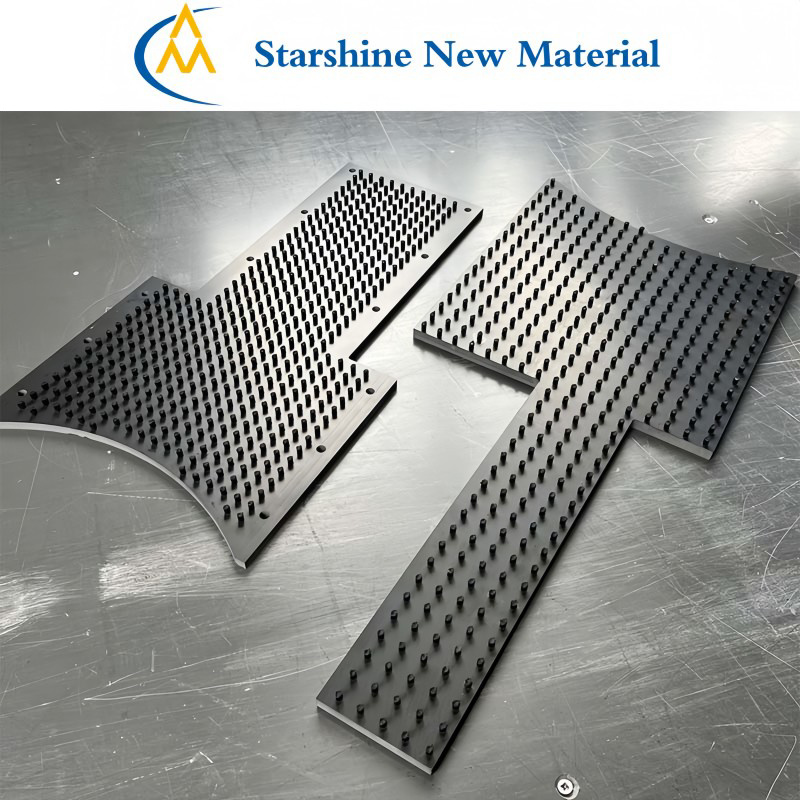
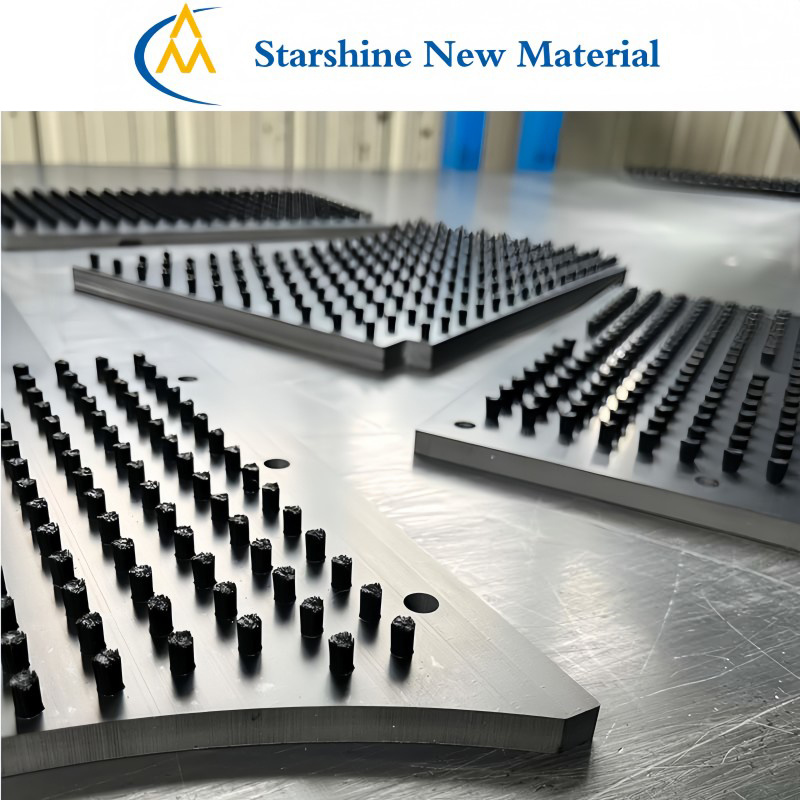
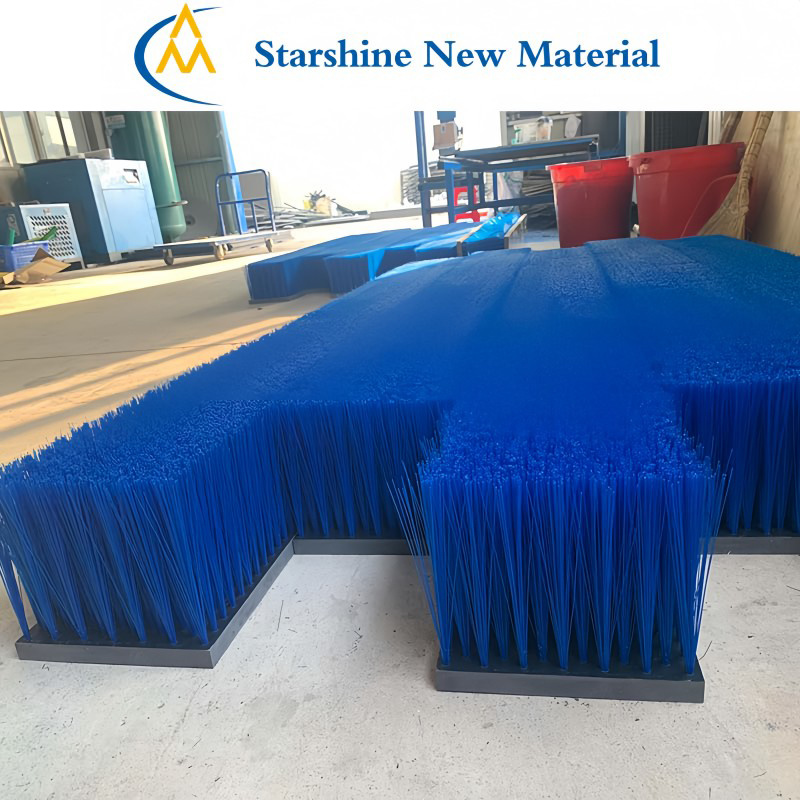
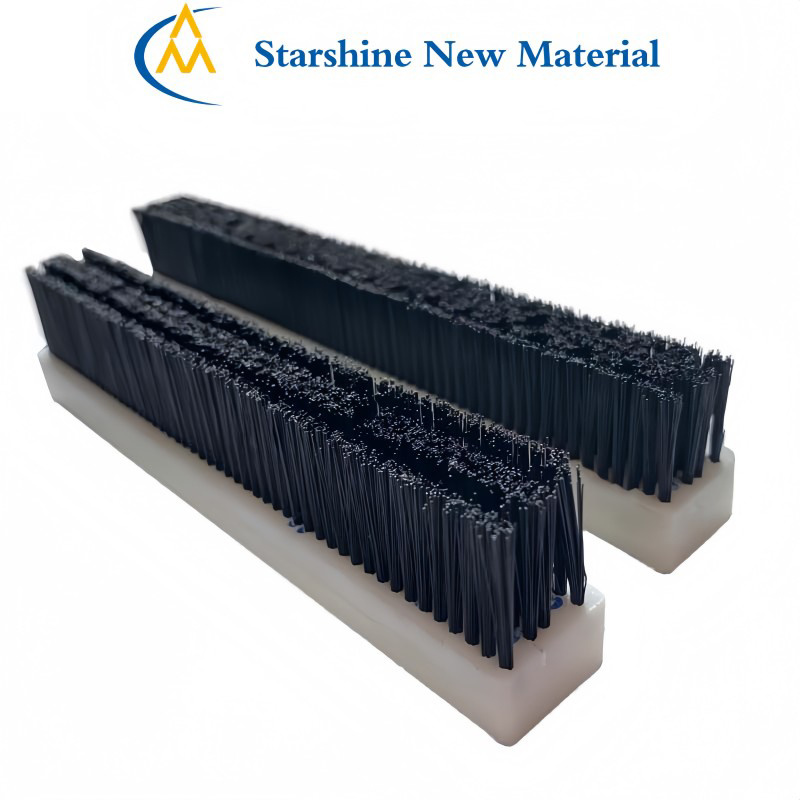
Precision Surface Treatment Brush Series
Precision Surface Treatment Brush Series: Specialized Solutions for Grinding, Cleaning and Polishing
Diamond Rod Flat Brushes, Electric Grinder Brushes, DuPont Wire Brushes, Side Small Brushes, Rod Flat Brushes, and Concave-Convex Part Grinding Brushes form a series of specialized surface treatment tools developed for fields such as precision manufacturing, electronic processing, and automotive components. Guided by the core concept of "material adapting to scenarios + structure optimizing efficiency", this series covers the full range of needs from high-hardness grinding to flexible cleaning, and from flat surface processing to special-shaped part polishing. It addresses the pain points of traditional tools such as "uneven processing, poor adaptability, and easy workpiece damage" through differentiated designs, serving as a key support for improving product surface quality.
I. Core Product Features: Precise Matching of Materials and Structures
Each brush achieves function concentration through targeted material selection and structural design. Its core features directly determine the applicable scenarios and processing effects, forming a clear functional division.
1. High-Hardness Grinding Category: Diamond Rod Flat Brushes and Rod Flat Brushes
Focusing on high-hardness abrasives, this category of brushes specializes in precision grinding and material removal processing of hard and brittle materials as well as metal surfaces, with core advantages of "wear resistance and durability + controllable grinding".
- Diamond Rod Flat Brush: Adopts natural or synthetic diamond abrasives (with optional grain sizes ranging from 80# to 1000#), which are fixed on the stainless steel rod body through a high-temperature sintering process. The brush surface flatness error is ≤ 0.02mm. With a hardness of over HV10000, diamond is suitable for flat grinding of hard and brittle materials such as glass, ceramics, and sapphire, which can reduce the surface roughness from Ra1.2μm to Ra0.1μm. The rod diameter is compatible with general equipment such as electric drills and bench drills (common specifications: φ6, φ8, φ10mm). The tail adopts a hexagonal anti-slip design, avoiding slipping during high-speed rotation, and the abrasive loss rate is less than 3% after 10 hours of continuous operation.
- Rod Flat Brush: Divided into abrasive type and polishing type according to grinding needs. The abrasive type uses silicon carbide or aluminum oxide abrasive wires with a wire diameter of 0.3-0.8mm, suitable for rust removal and rough grinding of metal castings. The polishing type uses corundum abrasives combined with a nylon wire base, used for precision polishing of stainless steel and aluminum alloy parts. The rod length can be customized from 300-600mm, and the brush surface width has gradient options from 20-80mm, adapting to continuous grinding of long strip workpieces, with efficiency more than 5 times higher than manual grinding.
2. High-Efficiency Adaptation Category: Electric Grinder Brush
As a specialized supporting brush for electric grinder tools, its core design centers on "high-speed adaptation + high-efficiency processing", achieving perfect synergy with electric grinder equipment through structural optimization.
- Structural Features: Adopts a "quick clamping joint + reinforced brush body" design. The joint is compatible with mainstream electric grinder chuck specifications (φ3-φ16mm), with a clamping time ≤ 10 seconds. The brush body base is formed by aluminum alloy die-casting, with an impact strength ≥ 150MPa, which can withstand the high-speed operation of the electric grinder at 8000-15000 rpm without vibration noise.
- Material Classification: Divided into three types according to functions. The rust removal type uses high-carbon steel wires (carbon content 0.7-0.9%) with a hardness of HRC50-55, suitable for removing oxide scale from metal parts. The polishing type uses wool or cotton cloth brush wires, which can achieve a mirror effect on metal surfaces when used with polishing paste. The deburring type uses composite abrasive wires, which integrate elasticity and cutting force, used for precise deburring of mold edges and corners.
3. Flexible Cleaning Category: DuPont Wire Brush
With DuPont nylon wires (PA66 or PA612) as the core material, it focuses on "flexible and non-damaging + weather-resistant and durable", suitable for cleaning and light grinding scenarios of precision components.
- Material Advantages: DuPont wires have excellent wear resistance (service life is 3-4 times that of ordinary nylon wires), chemical corrosion resistance (can withstand weak acid and alkali solutions), and temperature resistance (long-term operating temperature from -40℃ to 120℃). The wire diameter uniformity error is ≤ 0.01mm, ensuring consistent cleaning force.
- Product Forms: Covers various forms such as plate brushes, round brushes, and pen brushes. Plate-shaped DuPont wire brushes are used for cleaning solde
- Commodity name: Precision Surface Treatment Brush Series
- Description
-
Precision Surface Treatment Brush Series: Specialized Solutions for Grinding, Cleaning and Polishing
Diamond Rod Flat Brushes, Electric Grinder Brushes, DuPont Wire Brushes, Side Small Brushes, Rod Flat Brushes, and Concave-Convex Part Grinding Brushes form a series of specialized surface treatment tools developed for fields such as precision manufacturing, electronic processing, and automotive components. Guided by the core concept of "material adapting to scenarios + structure optimizing efficiency", this series covers the full range of needs from high-hardness grinding to flexible cleaning, and from flat surface processing to special-shaped part polishing. It addresses the pain points of traditional tools such as "uneven processing, poor adaptability, and easy workpiece damage" through differentiated designs, serving as a key support for improving product surface quality.I. Core Product Features: Precise Matching of Materials and Structures
Each brush achieves function concentration through targeted material selection and structural design. Its core features directly determine the applicable scenarios and processing effects, forming a clear functional division.1. High-Hardness Grinding Category: Diamond Rod Flat Brushes and Rod Flat Brushes
Focusing on high-hardness abrasives, this category of brushes specializes in precision grinding and material removal processing of hard and brittle materials as well as metal surfaces, with core advantages of "wear resistance and durability + controllable grinding".Diamond Rod Flat Brush: Adopts natural or synthetic diamond abrasives (with optional grain sizes ranging from 80# to 1000#), which are fixed on the stainless steel rod body through a high-temperature sintering process. The brush surface flatness error is ≤ 0.02mm. With a hardness of over HV10000, diamond is suitable for flat grinding of hard and brittle materials such as glass, ceramics, and sapphire, which can reduce the surface roughness from Ra1.2μm to Ra0.1μm. The rod diameter is compatible with general equipment such as electric drills and bench drills (common specifications: φ6, φ8, φ10mm). The tail adopts a hexagonal anti-slip design, avoiding slipping during high-speed rotation, and the abrasive loss rate is less than 3% after 10 hours of continuous operation.Rod Flat Brush: Divided into abrasive type and polishing type according to grinding needs. The abrasive type uses silicon carbide or aluminum oxide abrasive wires with a wire diameter of 0.3-0.8mm, suitable for rust removal and rough grinding of metal castings. The polishing type uses corundum abrasives combined with a nylon wire base, used for precision polishing of stainless steel and aluminum alloy parts. The rod length can be customized from 300-600mm, and the brush surface width has gradient options from 20-80mm, adapting to continuous grinding of long strip workpieces, with efficiency more than 5 times higher than manual grinding.2. High-Efficiency Adaptation Category: Electric Grinder Brush
As a specialized supporting brush for electric grinder tools, its core design centers on "high-speed adaptation + high-efficiency processing", achieving perfect synergy with electric grinder equipment through structural optimization.Structural Features: Adopts a "quick clamping joint + reinforced brush body" design. The joint is compatible with mainstream electric grinder chuck specifications (φ3-φ16mm), with a clamping time ≤ 10 seconds. The brush body base is formed by aluminum alloy die-casting, with an impact strength ≥ 150MPa, which can withstand the high-speed operation of the electric grinder at 8000-15000 rpm without vibration noise.Material Classification: Divided into three types according to functions. The rust removal type uses high-carbon steel wires (carbon content 0.7-0.9%) with a hardness of HRC50-55, suitable for removing oxide scale from metal parts. The polishing type uses wool or cotton cloth brush wires, which can achieve a mirror effect on metal surfaces when used with polishing paste. The deburring type uses composite abrasive wires, which integrate elasticity and cutting force, used for precise deburring of mold edges and corners.3. Flexible Cleaning Category: DuPont Wire Brush
With DuPont nylon wires (PA66 or PA612) as the core material, it focuses on "flexible and non-damaging + weather-resistant and durable", suitable for cleaning and light grinding scenarios of precision components.Material Advantages: DuPont wires have excellent wear resistance (service life is 3-4 times that of ordinary nylon wires), chemical corrosion resistance (can withstand weak acid and alkali solutions), and temperature resistance (long-term operating temperature from -40℃ to 120℃). The wire diameter uniformity error is ≤ 0.01mm, ensuring consistent cleaning force.Product Forms: Covers various forms such as plate brushes, round brushes, and pen brushes. Plate-shaped DuPont wire brushes are used for cleaning solder residues on the surface of printed circuit boards (PCBs), with a wire diameter of 0.1-0.2mm to avoid scratching copper foils. Pen-shaped DuPont wire brushes are used for dust removal in the gaps of precision instruments, with brush heads that can bend 360° to reach narrow spaces. Roller-shaped DuPont wire brushes are used for light grinding of coil surfaces, realizing continuous operation in conjunction with production lines.4. Precision Adaptation Category: Side Small Brushes and Concave-Convex Part Grinding Brushes
Focusing on "special structure processing", this category of brushes solves the processing problems of narrow spaces and special-shaped surfaces through shape optimization, with core advantages of "precise coverage + flexible adaptation".Side Small Brush: Adopts a "slender rod + high-density filament planting" structure. The rod diameter can be as small as φ1mm, the brush head width is 5-15mm, and the brush wires are made of nylon or DuPont wires with a wire length of 3-8mm. It is suitable for cleaning and deburring of narrow areas such as gear tooth grooves, connector pins, and mold parting surfaces. It can be operated with tweezers or a special handle to avoid damage to precision structures caused by traditional tools.Concave-Convex Part Grinding Brush: The brush wires adopt an "elastic abrasive wire + gradient length design" with a wire diameter of 0.2-0.5mm. The brush head is arc-shaped or wavy, which can adaptively fit the concave-convex surface of the workpiece. Fine-grain aluminum oxide (400#-800#) is selected as the abrasive, which is used for grinding automotive interior parts, musical instrument curved surfaces, and special-shaped plastic parts. While removing surface scratches, it maintains the original curved contour of the workpiece, with no joints on the processed surface.II. Core Application Scenarios: Covering Surface Treatment Needs in Multiple Industries
With differentiated functions, this series of brushes has deeply penetrated multiple fields such as electronics, automobiles, molds, and light industry, running through the entire process of "processing - assembly - maintenance" and solving core pain points in different scenarios.1. Electronics and Semiconductor Industry: Precision Cleaning and Micro-Grinding
Electronic components have extremely high requirements for surface cleanliness and flatness, so "non-damage" and "high precision" of brushes become core demands:In the semiconductor chip packaging process, a Diamond Rod Flat Brush (1000# fine grain) is used for precision grinding of the chip substrate, ensuring the substrate flatness error is ≤ 0.005mm and providing a stable bonding surface for subsequent packaging;In the production of mobile phone camera modules, a Side Small Brush (DuPont wire material, wire diameter 0.1mm) is used to clean dust and glue residues in the gaps of the lens holder, avoiding affecting imaging quality;During the processing of LED lamp bead substrates, a plate-shaped DuPont Wire Brush is used with anhydrous alcohol to efficiently remove solder paste residues on the substrate surface without damaging circuit solder joints.2. Automotive Manufacturing and Maintenance: Component Grinding and Cleaning
From body components to engine parts, brushes need to be compatible with multiple materials such as metals and plastics, balancing grinding efficiency and surface texture:For surface treatment of plastic concave-convex parts such as automotive bumpers and instrument panels, a Concave-Convex Part Grinding Brush (600# aluminum oxide abrasive wire) is used to remove injection flash while creating a matte texture and improving appearance quality;In engine block maintenance, an Electric Grinder Brush (high-carbon steel wire type) is used with electric grinding equipment to quickly remove carbon deposits and rust on the block surface, providing a clean surface for cylinder head sealing;In the automotive wheel polishing process, a Rod Flat Brush (corundum abrasive type) is used for precision polishing of aluminum alloy wheels, replacing traditional sandpaper to avoid scratches and achieve a mirror effect.3. Mold and Hardware Industry: Deburring and Surface Finishing
The processing of edges, corners, and gaps of molds and hardware parts is the key to quality control, and the "precision adaptation" of brushes solves the blind spot problem of traditional tools:In narrow areas such as the parting surface and exhaust groove of stamping molds, a Side Small Brush (abrasive wire material) is used to remove iron chips and burrs remaining from mold processing, extending the mold service life;For thread cleaning of hardware connectors (bolts, nuts), an Electric Grinder Brush (fine steel wire type) is used to quickly remove anti-rust oil and impurities in the threads under high-speed rotation, ensuring smooth assembly;For surface repair of die-cast aluminum molds, a Diamond Rod Flat Brush (240# coarse grain) is used for wear grinding of the mold surface, restoring mold precision and reducing casting defects.4. Light Industry and Cultural and Creative Industry: Texture Shaping and Precision Processing
This field has high requirements for product surface texture and appearance details, so brushes need to balance functionality and process aesthetics:For curved surface grinding of solid wood furniture and musical instruments (guitars, violins), a Concave-Convex Part Grinding Brush (composite of DuPont wire and fine-grain abrasive) can highlight the natural texture of wood while removing surface micro-burrs and improving touch;In the processing of eyeglass frames, a pen-shaped DuPont Wire Brush is used to clean glue residues at the junction of the frame and lenses, avoiding damage to the electroplated layer;For surface finishing of ceramic crafts, a Diamond Rod Flat Brush (800#) is used to repair scratches on the ceramic surface, ensuring uniform surface luster.5. General Machinery and Equipment Maintenance: Rust Removal and Cleaning
In daily machinery maintenance, brushes need to complete surface treatment quickly and efficiently to ensure stable equipment operation:For rust removal of machine tool guide rails and lead screws, an Electric Grinder Brush (high-carbon steel wire type) is used with anti-rust agent to quickly remove the rust layer in a short time while forming a protective film on the surface;For internal cleaning of hydraulic equipment oil tanks and oil pipes, a long-rod DuPont Wire Brush penetrates into the pipeline to remove oil stains and impurities, avoiding valve core blockage;For the maintenance of agricultural machinery blades and plowshares, a Rod Flat Brush (coarse-grain silicon carbide) is used to grind the curled edges and rust on the cutting edge, restoring cutting performance.III. Selection Guidelines and Summary of Core Advantages
1. Scientific Selection Guidelines
Select brushes by material: Choose Diamond Rod Flat Brushes for hard and brittle materials (glass, ceramics); choose DuPont Wire Brushes for precision components (electronics, instruments); choose Electric Grinder Brushes (steel wire type) for metal rust removal;Select brushes by structure: Choose Rod Flat Brushes or Diamond Rod Flat Brushes for flat surface processing; choose Side Small Brushes for narrow spaces; choose Concave-Convex Part Grinding Brushes for special-shaped curved surfaces;Select brushes by equipment: Choose Electric Grinder Brushes for matching with electric grinding equipment; choose pen-shaped or plate-shaped brushes for manual operation; choose roller-shaped brushes for automated production lines.2. Core Competitive Advantages
Compared with traditional surface treatment tools, this series of brushes has three core advantages: First, wider adaptability, covering full scenarios from hard and brittle materials to flexible plastics, and from flat surfaces to special-shaped parts. Second, more precise processing, achieving "grinding without damage and cleaning without dead ends" through material and structural optimization. Third, higher efficiency, when used with electric tools, the processing efficiency is 3-10 times higher than that of manual work, while reducing labor costs.With the development of the manufacturing industry towards "precision and customization", this series of brushes continues to adapt to higher-end processing needs through continuous material upgrading (such as nano-coated abrasives) and function integration (such as "grinding + cleaning" dual-function), becoming an essential tool for various industries to improve product quality.
Message
Please provide the following valid information, and we will contact you as soon as possible.
Mobile:
Wechat/Whatsapp:
E-mail:
Address:
No. 123 Yuantan Avenue, Yuantan Town, Anqing City, Anhui Province, China


Online Message
If you have any product related questions, please feel free to contact us!
Copyright © 2025 Starshine New Materials Technology Co., Ltd.
Business License