


PRODUCTS
PRODUCTS

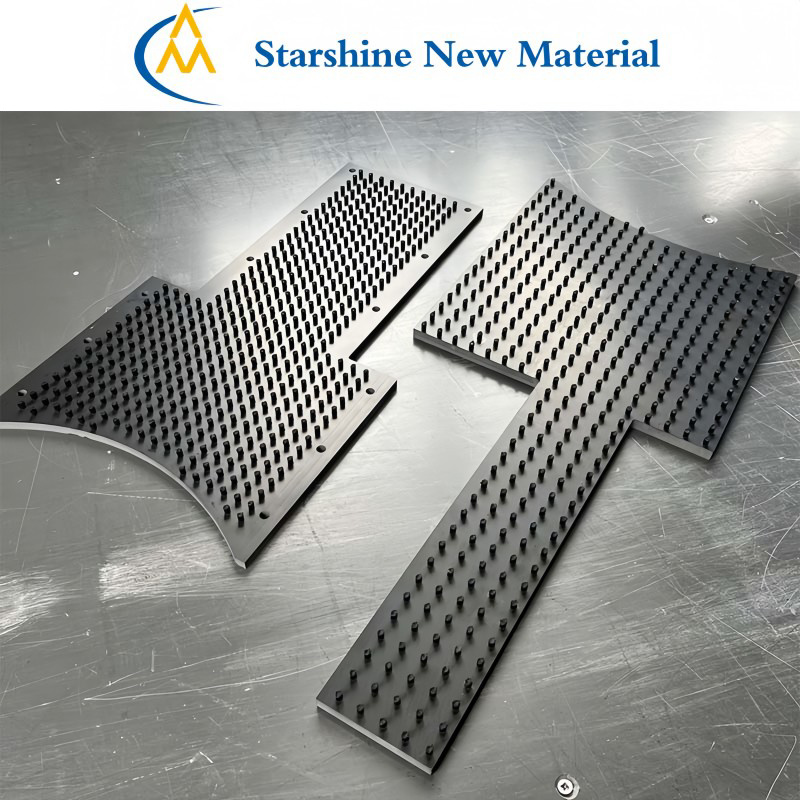
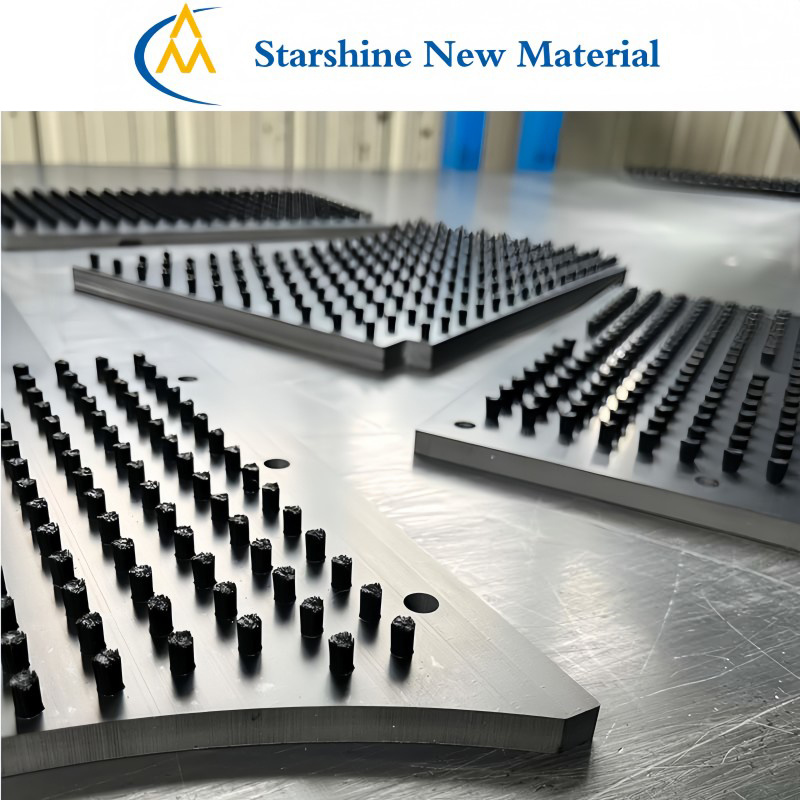
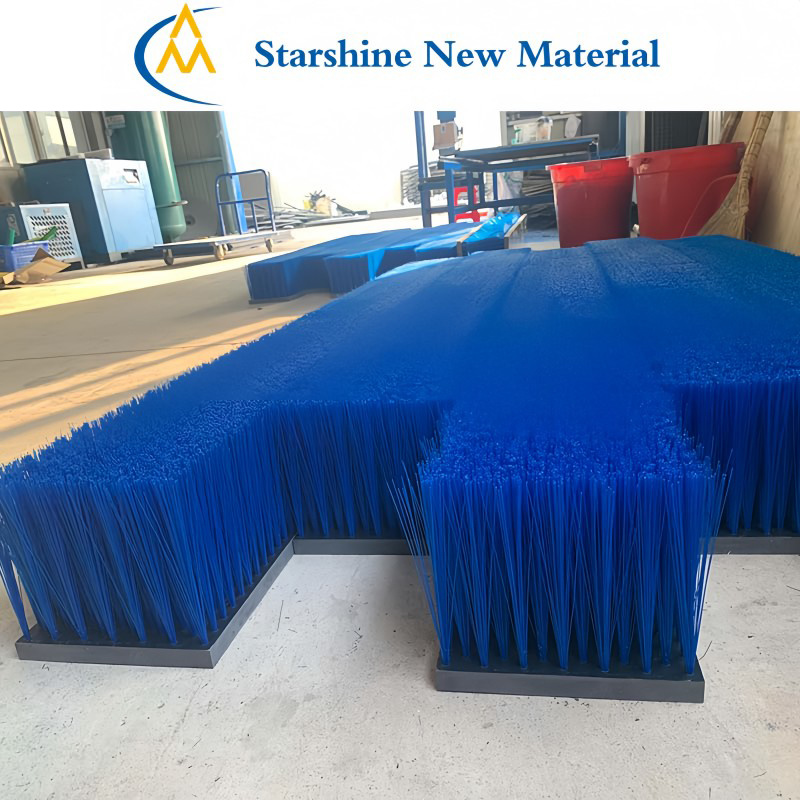
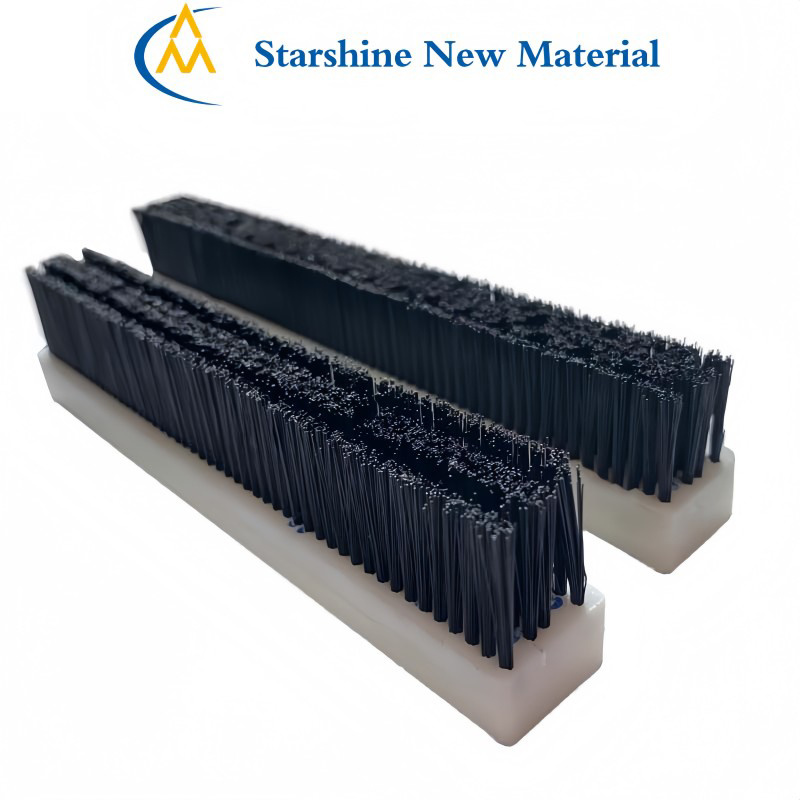
Nylon spring brush
A spring brush is a cleaning tool made of elastic wire or nylon bristles, usually in a spiral or ribbon structure. Its characteristics are that the bristles are flexible and elastic, can adapt to irregular surfaces, and effectively remove dust and dirt in gaps, grooves, etc.
- Commodity name: Nylon spring brush
- Description
-
Introduction and Application Instructions of Spring Brushes
A spring brush is a new type of brush product that is made by embedding and pressing brush bristles into metal strips through a special process, then winding them into a spring-like structure by a machine. Its core form is mostly manifested as a brush roller (also known as a wound brush roller). Originating from advanced foreign technologies, it has the characteristics of high bristle density, strong fixing firmness, and flexible adaptability. It addresses the pain points of traditional brush rollers, such as insufficient density and easy bristle shedding, and is widely used in industrial fields such as iron and steel, food processing, and glass manufacturing. Meanwhile, it also demonstrates significant advantages in precision cleaning scenarios.I. Core Product Attributes
1.1 Basic Structure and Core Components
The performance of a spring brush is jointly determined by the "carrier framework + bristle material + connection process". The selection of each component is directly related to its application scenarios and service life, and its specific composition is as follows:Carrier Framework: It consists of two parts: the core shaft and the wound steel strip. The core shaft is mostly made of seamless round steel, stainless steel, or aluminum alloy to ensure the overall structural stability and bear the mechanical stress during winding and operation; the wound steel strip is made of galvanized steel or stainless steel strips, which serve as the direct carrier of the brush bristles. After the brush bristles are fixed by the embedding and pressing process, they are spirally wound around the core shaft, and some are reinforced and fixed by spot welding to form a high-density brush structure. Due to its corrosion resistance, the stainless steel framework is particularly suitable for harsh environments such as humidity, acid, and alkali, while the galvanized steel framework has the advantages of both cost-effectiveness and durability in conventional industrial scenarios.Bristle Material: It is the core element that determines the function of the spring brush, and its hardness, temperature resistance, and chemical stability need to be matched according to the operation requirements. The mainstream types are divided into three categories: first, metal wires (such as spring steel, stainless steel wires), which have high rigidity and excellent wear resistance, suitable for heavy-duty operations such as rust removal and deburring; second, polymer material wires (nylon, polypropylene, polyester, etc.), which have good elasticity and hygiene, among which food-grade nylon wires can meet the requirements of the food processing and pharmaceutical industries; third, special functional wires (such as abrasive filaments/grinding filaments), which can achieve light grinding and removal of stubborn stains. The conventional length of the brush bristles ranges from 10mm to 50mm, which can be customized according to requirements, and the diameter varies from 0.1mm to 2.0mm depending on the operation intensity.Connection Process: The core is the "embedded-pressing and winding" composite process. First, the brush bristles are evenly pressed into the card slots of the metal steel strip through a strip brush equipment to ensure that a single bristle is firmly fixed and does not fall off; then the bristle-embedded steel strip is spirally wound around the core shaft according to the preset density. Some products will reserve specific gaps to facilitate the discharge and cleaning of debris during operation and avoid bristle blockage affecting efficiency.1.2 Product Classification and Core Characteristics
Spring brushes can be classified from three dimensions: external structure, bristle material, and application scenario. Different types of products have significant differences in characteristics and are suitable for different operation requirements:Classification DimensionSpecific TypeCore Structure/MaterialPerformance CharacteristicsApplicable ScenariosExternal StructureInternally Wound Spring BrushBristles wound inwardly, with little exposed core shaftCompact structure, suitable for operation in narrow spacesInner wall cleaning of pipelines, gap cleaning of precision instrumentsExternally Wound Spring BrushBristles wound outwardly, with large operation areaWide contact range, high cleaning efficiencySteel plate surface treatment, conveyor belt cleaningBristle MaterialMetal Wire Spring BrushSpring steel and stainless steel wires as core bristlesHigh rigidity, wear-resistant, capable of rust and welding slag removalIron and steel pretreatment, coating rust removal, heavy machinery cleaningNon-Metal Wire Spring BrushPolymer material wires such as nylon and polypropyleneGood elasticity, scratch-proof, chemical corrosion resistantFood processing cleaning, glass polishing, semiconductor dust removalApplication ScenarioIndustrial-Grade Spring BrushHigh-strength framework + wear-resistant bristles, large sizeImpact-resistant, long service life, suitable for automated equipmentProduction line conveyor belt cleaning, steel mill steel plate treatmentPrecision-Grade Spring BrushFine-diameter bristles + stainless steel framework, extremely high densityHigh cleaning precision, no secondary pollutionPharmaceutical machinery, semiconductor chips, electronic component cleaning1.3 Core Advantages
Compared with traditional bristle-planted brush rollers, the core competitiveness of spring brushes lies in the performance improvement brought by process innovation, and the specific advantages include:Controllable and Extremely High Bristle Density: The winding process enables the bristles to be closely arranged, with a density far higher than that of ordinary bristle-planted brushes, up to 50-80 bristles per centimeter. At the same time, the density can be adjusted according to requirements, which not only meets the dense contact needs of precision cleaning but also can reserve gaps for dust discharge.Firmly Fixed Bristles, Not Easy to Fall Off: The bristles are embedded and pressed by the metal steel strip and then fixed by winding. This double guarantee greatly reduces the shedding rate, making it especially suitable for high-speed operating automated production lines and reducing the risk of product contamination caused by bristle shedding.Strong Adaptability and Flexibility: The spring-like structure gives it a certain degree of elasticity, which can fit irregular workpiece surfaces such as curved surfaces and uneven surfaces. At the same time, it supports customized products with different diameters (conventional range 50mm-200mm) and lengths to adapt to the installation requirements of various equipment.Excellent Environmental Tolerance: By selecting stainless steel frameworks and temperature-resistant bristles, it can work stably in the temperature range of -30℃ to 120℃, and at the same time resist chemical media such as oils and detergents, adapting to complex industrial environments such as humidity, high temperature, and corrosion.II. Main Application Scenarios
The application scenarios of spring brushes are closely bound to the bristle material and framework type, covering multi-field needs from heavy industry to precision manufacturing. Among them, the iron and steel industry, food processing, and glass manufacturing are the three core application directions:2.1 Iron and Steel & Metallurgy Industry
This industry has extremely high requirements for the wear resistance and rigidity of spring brushes, and metal wire spring brushes are mainly used for steel plate pretreatment and surface treatment throughout the production process:Steel Plate Pretreatment: Before the steel plate galvanizing and color coating processes, spring steel wire brush rollers are used to remove rust and oxide scales from the steel plate surface. The high-density bristles can thoroughly remove surface impurities while avoiding damage to the steel plate substrate, providing a good foundation for subsequent coating adhesion.Rolling and Coating Assistance: During the steel rolling process, externally wound spring brushes are used to remove metal debris and oil stains from the surface of the rolling rolls to prevent indentation; in the coating production line, medium-hardness nylon wire spring brushes are used to remove dust from the steel surface before coating, ensuring the coating is uniform and free of defects.Equipment Maintenance and Cleaning: For the inner walls and surfaces of equipment such as steelmaking furnaces and conveyor rollers, high-temperature resistant stainless steel wire spring brushes are used to remove residual slag and metal attachments, extending the service life of the equipment.2.2 Food Processing & Pharmaceutical Industry
This field has strict requirements for hygiene and safety, and spring brushes with food-grade nylon or polypropylene bristles are uniformly selected, focusing on equipment cleaning and product auxiliary treatment:Conveyor Equipment Cleaning: In food conveyor production lines (such as beverage bottling lines and instant noodle conveyor lines), spring brush rollers are installed under the conveyor belts. They remove food residues, oil stains, and dust from the conveyor belt surface through rotation. The elasticity of the bristles can fit the texture of the conveyor belt to avoid cleaning dead corners. At the same time, they are resistant to high-pressure cleaning and can be used in conjunction with disinfection processes.Packaging and Filling Assistance: In the pharmaceutical industry, precision nylon spring brushes are used to remove dust from the inner walls of medicine bottles before filling; in the food packaging process, flexible spring brushes are used to clean electrostatic dust from the surface of packaging containers to prevent contamination.Production Equipment Maintenance: For the inner walls of equipment such as mixers and reaction kettles, custom-sized internally wound spring brushes are used to go deep into the equipment gaps to remove residual materials, avoid cross-contamination, and comply with food and pharmaceutical GMP standards.2.3 Glass & Semiconductor Industry
This industry needs to balance the requirements of cleaning precision and scratch resistance, and spring brushes with ultra-fine nylon bristles or special functional bristles are mostly used:Glass Manufacturing and Processing: In the float glass production line, externally wound spring brush rollers are used for debris removal and polishing of the glass surface. Ultra-fine nylon bristles can remove tiny impurities from the glass surface while creating a uniform surface luster; in glass deep processing (such as curtain wall glass and home appliance glass), spring brushes with grinding filaments are used for edge deburring to improve product precision.Semiconductor and Electronic Components: Since 2024, the application of spring brushes in the semiconductor field has expanded rapidly. Precision spring brushes with anti-static nylon bristles are used for surface dust removal before chip packaging. The high-density bristles can remove micron-level dust without generating static electricity to damage the chips; in the circuit board production, they are used to clean residual flux from the pad surface.2.4 Logistics Conveyance & General Industry
Logistics Sorting Equipment: On the roller conveyors of express sorting lines, spring brushes are used to clean label debris and dust from the roller surface to ensure the smooth operation of the sorting equipment; in the guiding devices of warehouse shelves, flexible spring brushes can reduce the hard friction between goods and shelves, protecting the goods surface.General Machinery Cleaning: In printing machinery, spring brushes are used to remove residual ink from the printing plate surface; in the pre-coating treatment of automobile manufacturing, spring brushes are used to clean tiny impurities from the car body surface to improve coating quality; in woodworking machinery, nylon wire spring brushes are used for polishing and dust removal of the wood surface, cooperating with the sanding process to improve the wood texture.III. Selection and Usage Notes
3.1 Core Selection Factors
Clarify Operation Requirements: For rust removal and deburring, spring steel wire brushes are preferred; for food-grade cleaning, food-grade nylon/polypropylene bristles are selected; for precision dust removal, ultra-fine density nylon bristles are chosen; for grinding needs, special abrasive filaments are used.Match Usage Environment: For humid, acid, and alkali environments, stainless steel frameworks are selected; for high-temperature environments (>80℃), high-temperature resistant bristles (such as high-temperature resistant nylon) are used; for conventional industrial environments, galvanized steel frameworks can be selected to reduce costs.Adapt to Equipment Parameters: The diameter and length of the spring brush are determined according to the equipment installation space. For high-speed operating equipment, high-strength frameworks (such as stainless steel shafts) should be selected to avoid structural deformation caused by centrifugal force.3.2 Usage Notes
Control Operation Pressure: Avoid bristle lodging or framework deformation caused by excessive pressure. It is recommended to adjust the pressure according to the bristle hardness. Metal wire brushes can bear medium pressure, while nylon wire brushes need to be controlled within the low-pressure range.Reasonably Match Rotational Speed: The rotational speed is recommended to be controlled at 500-1500r/min for conventional industrial scenarios, and reduced to 300-800r/min for precision cleaning scenarios. Excessively high rotational speed may easily lead to accelerated bristle wear and thermal aging.Regular Maintenance and Replacement: When the bristle wear exceeds 20% or local shedding occurs, the spring brush should be replaced in time to avoid affecting product quality due to incomplete cleaning; after operation, the residual debris between the bristles should be cleaned in a timely manner, especially for products with reserved gaps, which need to be regularly unblocked to prevent blockage.Special Environment Protection: After use in corrosive environments, anti-rust treatment should be carried out on non-stainless steel frameworks; spring brushes used in the food industry should be disinfected and cleaned after each operation to avoid bacterial growth.
Message
Please provide the following valid information, and we will contact you as soon as possible.
Mobile:
Wechat/Whatsapp:
E-mail:
Address:
No. 123 Yuantan Avenue, Yuantan Town, Anqing City, Anhui Province, China


Online Message
If you have any product related questions, please feel free to contact us!
Copyright © 2025 Starshine New Materials Technology Co., Ltd.
Business License