


PRODUCTS
PRODUCTS

Airport Runway Brush
Airport Runway Brush: Product Introduction and Applications of Specialized Cleaning Equipment for Flight Safety Assurance
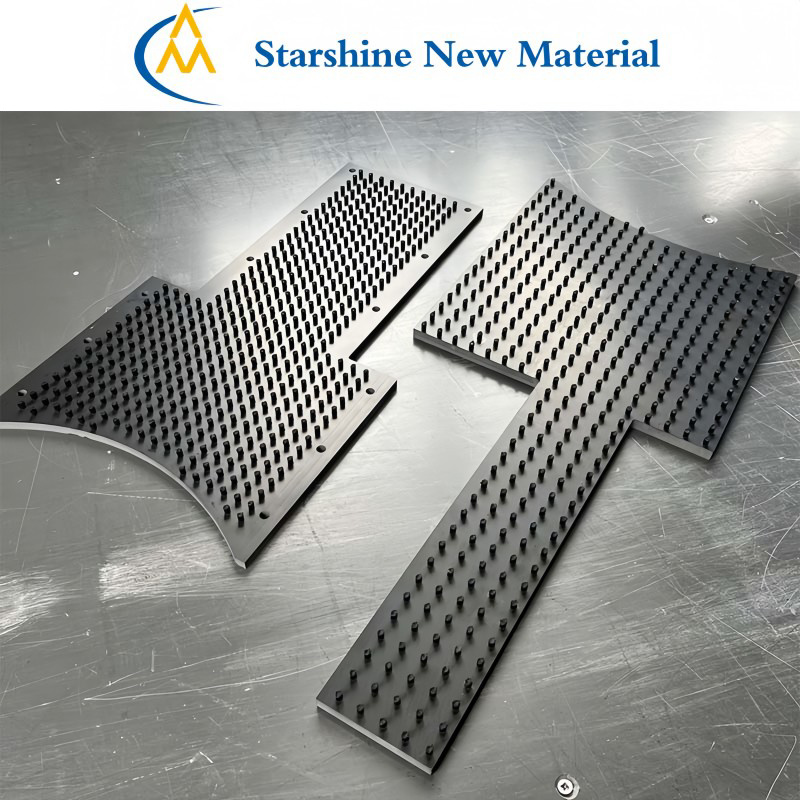
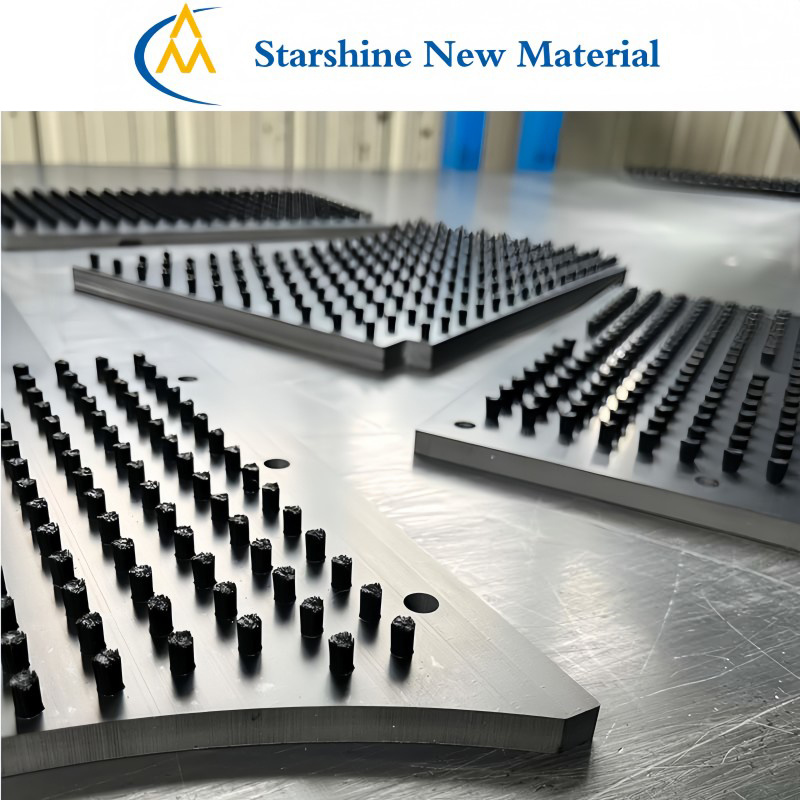
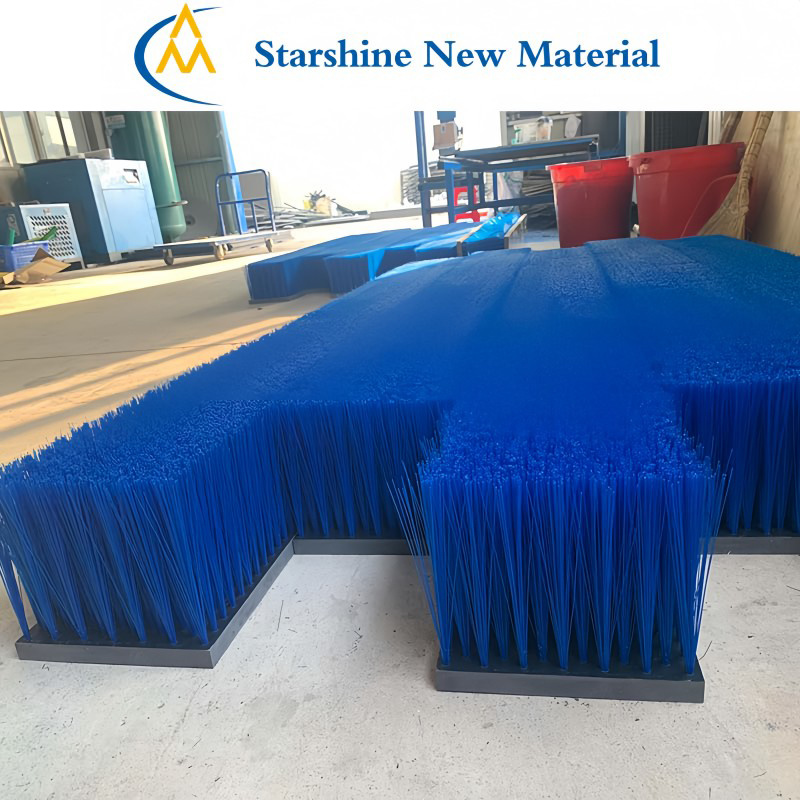
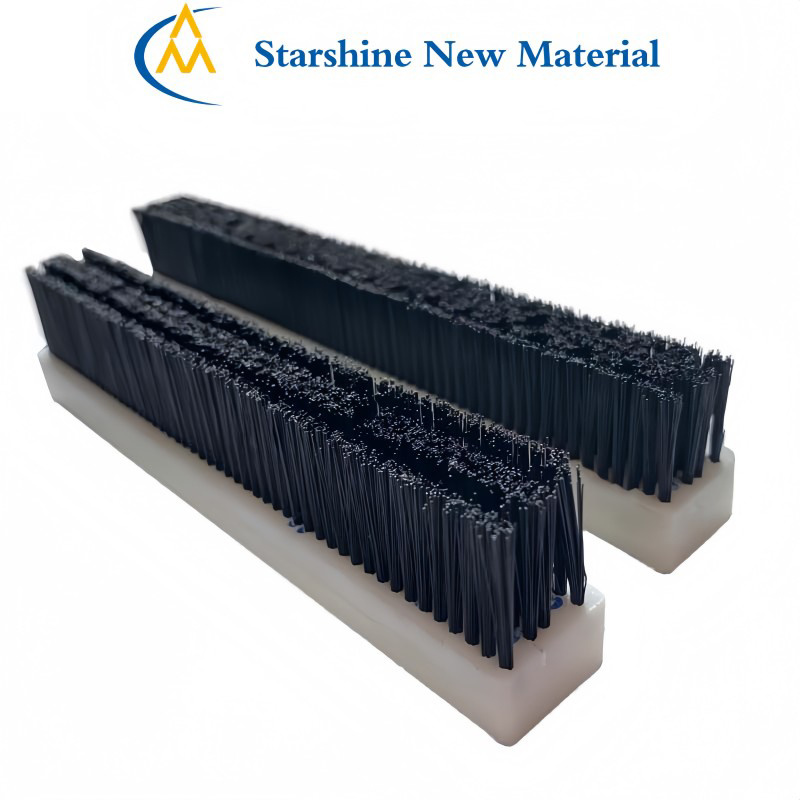
Airport runway brush is a high-precision cleaning equipment specially designed for airport runways, taxiways and aprons. With wear-resistant and impact-resistant composite brush filaments as its core, it adapts to large-scale runway cleaning vehicles, snowplows and precision cleaning equipment through structures such as roller brushes and disc brushes. Relying on high-power mechanical power, it efficiently removes Foreign Objects Debris (FOD), snow, ice, tire rubber residues, oil stains and dust from the runway surface. Its core design revolves around the three principles of "zero foreign object residue, zero runway damage, and extreme environment adaptability", solving the pain points of ordinary cleaning tools such as "insufficient precision, easy scratching of runway coatings, and incomplete cleaning". It is a core equipment for ensuring aircraft take-off and landing safety and complying with civil aviation FOD control standards, and can be safely applied to various runway materials including asphalt concrete, cement concrete and special runway coatings.
I. Core Product Introduction
The design logic of the airport runway brush centers on "civil aviation safety standards". Aiming at the special needs of runway cleaning — which requires not only thorough removal of foreign objects and stains that may cause aircraft engine ingestion and tire skidding, but also avoiding damage to the anti-skid coating and marking lines on the runway surface, while adapting to the "high-frequency and fast-response" operation rhythm of the airport — it achieves the dual unification of "cleaning efficiency and safety assurance".
(1) Core Structure and Classification Characteristics
The product is mainly composed of three parts: "high-precision cleaning brush filament layer + high-strength lightweight base + precise connection system". According to cleaning objectives (snow removal/rubber removal/dust removal), operation equipment and runway areas (main runway/taxiway/apron), it can be subdivided into multiple categories, covering all-scenario cleaning needs of airport runways.
1. Analysis of Core Components:
- High-Precision Cleaning Brush Filament Layer: The core is functional composite brush filaments, which are divided into three categories according to cleaning needs — wear-resistant composite filaments (nylon 66 + silicon carbide particles, filament diameter 1.5mm-3.0mm) are suitable for removing tire rubber residues and asphalt debris, with a single filament hardness ≥ Shore D85 and a wear-resistant service life of more than 2000 hours; elastic buffer filaments (polyurethane + nylon composite, filament diameter 1.0mm-2.0mm) are suitable for cleaning snow and floating dust, with a low-temperature elastic recovery rate ≥ 92% (stable operation from -45℃ to 40℃), avoiding scratching of runway anti-skid patterns; ultra-fine cleaning filaments (modified nylon + polytetrafluoroethylene coating, filament diameter 0.5mm-1.2mm) are suitable for cleaning around marking lines, accurately removing gap foreign objects without abrading the marking paint. The brush filaments adopt a "spiral dense planting" process, with a planting density of 80-150 filaments/cm². The ends of the brush filaments are rounded by arc grinding, and the contact pressure with the runway is controlled at 0.3-0.5MPa, ensuring both cleaning power and avoiding coating damage.
- High-Strength Lightweight Base: The main brush body adopts an aviation-grade aluminum alloy + carbon fiber composite base, which is 50% lighter than traditional steel, with a diameter of 600mm-1500mm and a length of 1200mm-4000mm, and can adapt to the high-speed rotation (rotating speed 150-600rpm) of large-scale runway cleaning vehicles; small-area brushes (taxiway corners, aprons) adopt modified PP + glass fiber bases, with an impact resistance ≥ 18kJ/m², avoiding deformation caused by hard contact with the ground during operation. The base surface is treated with anodization + polyfluoride coating, with salt spray corrosion resistance ≥ 1200 hours, adapting to the high humidity of airports and the environment with residual snow-melting agents.
- Precise Connection System: Equipped with a triple connection structure of flange + keyway positioning + hydraulic locking, with a positioning error ≤ 0.5mm, ensuring the brush body and cleaning equipment rotate coaxially and avoiding uneven cleaning caused by eccentricity; large brush bodies integrate a pressure sensing system to real-time monitor the contact pressure between the brush filaments and the runway, and automatically adjust the lifting when the pressure exceeds the threshold to protect the runway coating; some equipment supports GPS positioning and laser navigation linkage to realize precise cleaning of runway partitions and avoid repeated operations or omissions.
2. Main Product Classification:
- Class
- Commodity name: Airport Runway Brush
- Description
-
Airport Runway Brush: Product Introduction and Applications of Specialized Cleaning Equipment for Flight Safety Assurance
Airport runway brush is a high-precision cleaning equipment specially designed for airport runways, taxiways and aprons. With wear-resistant and impact-resistant composite brush filaments as its core, it adapts to large-scale runway cleaning vehicles, snowplows and precision cleaning equipment through structures such as roller brushes and disc brushes. Relying on high-power mechanical power, it efficiently removes Foreign Objects Debris (FOD), snow, ice, tire rubber residues, oil stains and dust from the runway surface. Its core design revolves around the three principles of "zero foreign object residue, zero runway damage, and extreme environment adaptability", solving the pain points of ordinary cleaning tools such as "insufficient precision, easy scratching of runway coatings, and incomplete cleaning". It is a core equipment for ensuring aircraft take-off and landing safety and complying with civil aviation FOD control standards, and can be safely applied to various runway materials including asphalt concrete, cement concrete and special runway coatings.I. Core Product Introduction
The design logic of the airport runway brush centers on "civil aviation safety standards". Aiming at the special needs of runway cleaning — which requires not only thorough removal of foreign objects and stains that may cause aircraft engine ingestion and tire skidding, but also avoiding damage to the anti-skid coating and marking lines on the runway surface, while adapting to the "high-frequency and fast-response" operation rhythm of the airport — it achieves the dual unification of "cleaning efficiency and safety assurance".(1) Core Structure and Classification Characteristics
The product is mainly composed of three parts: "high-precision cleaning brush filament layer + high-strength lightweight base + precise connection system". According to cleaning objectives (snow removal/rubber removal/dust removal), operation equipment and runway areas (main runway/taxiway/apron), it can be subdivided into multiple categories, covering all-scenario cleaning needs of airport runways.1. Analysis of Core Components:High-Precision Cleaning Brush Filament Layer: The core is functional composite brush filaments, which are divided into three categories according to cleaning needs — wear-resistant composite filaments (nylon 66 + silicon carbide particles, filament diameter 1.5mm-3.0mm) are suitable for removing tire rubber residues and asphalt debris, with a single filament hardness ≥ Shore D85 and a wear-resistant service life of more than 2000 hours; elastic buffer filaments (polyurethane + nylon composite, filament diameter 1.0mm-2.0mm) are suitable for cleaning snow and floating dust, with a low-temperature elastic recovery rate ≥ 92% (stable operation from -45℃ to 40℃), avoiding scratching of runway anti-skid patterns; ultra-fine cleaning filaments (modified nylon + polytetrafluoroethylene coating, filament diameter 0.5mm-1.2mm) are suitable for cleaning around marking lines, accurately removing gap foreign objects without abrading the marking paint. The brush filaments adopt a "spiral dense planting" process, with a planting density of 80-150 filaments/cm². The ends of the brush filaments are rounded by arc grinding, and the contact pressure with the runway is controlled at 0.3-0.5MPa, ensuring both cleaning power and avoiding coating damage.High-Strength Lightweight Base: The main brush body adopts an aviation-grade aluminum alloy + carbon fiber composite base, which is 50% lighter than traditional steel, with a diameter of 600mm-1500mm and a length of 1200mm-4000mm, and can adapt to the high-speed rotation (rotating speed 150-600rpm) of large-scale runway cleaning vehicles; small-area brushes (taxiway corners, aprons) adopt modified PP + glass fiber bases, with an impact resistance ≥ 18kJ/m², avoiding deformation caused by hard contact with the ground during operation. The base surface is treated with anodization + polyfluoride coating, with salt spray corrosion resistance ≥ 1200 hours, adapting to the high humidity of airports and the environment with residual snow-melting agents.Precise Connection System: Equipped with a triple connection structure of flange + keyway positioning + hydraulic locking, with a positioning error ≤ 0.5mm, ensuring the brush body and cleaning equipment rotate coaxially and avoiding uneven cleaning caused by eccentricity; large brush bodies integrate a pressure sensing system to real-time monitor the contact pressure between the brush filaments and the runway, and automatically adjust the lifting when the pressure exceeds the threshold to protect the runway coating; some equipment supports GPS positioning and laser navigation linkage to realize precise cleaning of runway partitions and avoid repeated operations or omissions.2. Main Product Classification:Classified by Cleaning Function: Runway rubber removal dedicated brush (wear-resistant composite filaments, removing rubber residues from aircraft tire friction); runway snow and ice removal brush (elastic buffer filaments + steel wire composite, removing snow and thin ice below 5mm); daily dust removal dedicated brush (ultra-fine cleaning filaments, removing floating dust, small stones and other FOD); marking line cleaning brush (arc-shaped brush body, accurately cleaning foreign objects at the edge of marking lines without damaging the lines).Classified by Equipment Adaptation: Large roller-type runway brush (length 2000mm-4000mm, adapted to airport dedicated cleaning vehicles, for large-area operation on main runways); disc-type corner cleaning brush (diameter 300mm-600mm, installed on the side of cleaning vehicles, for cleaning runway edges, shoulders and manhole covers); hand-pushed precision cleaning brush (length 800mm-1200mm, manual operation, suitable for local cleaning of runway maintenance areas and around marking lines); robot-dedicated micro brush (diameter 100mm-200mm, adapted to airport FOD cleaning robots, for inspection and cleaning in narrow areas).Classified by Environment Adaptation: Dedicated brush for severe cold areas (low-temperature modified brush filaments, no brittleness at -45℃, suitable for northern airports); dedicated brush for high-humidity coastal airports (stainless steel wire core + anti-corrosion coating, resistant to marine climate corrosion); dedicated brush for desert-surrounding airports (sand-proof structure, preventing sand and dust from entering the brush body and affecting rotation).(2) Core Performance Advantages
1. Zero Foreign Object Residue, Ensuring Flight Safety: The high-density filament planting and spiral brush surface design form a "dead-angle-free cleaning area". The removal rate of foreign objects with a diameter ≥ 2mm reaches 99.8%, which can completely remove small stones, metal debris and tire rubber particles that may be sucked into the aircraft engine, complying with the highest standards of civil aviation FOD control.2. Runway-Friendly, Zero Damage Risk: The rounded treatment of brush filament ends + pressure sensing adjustment system ensures that the brush body always maintains "flexible contact" with the runway. It neither scratches the anti-skid coating nor abrades the runway marking lines. Tests show that the impact on runway surface roughness is ≤ 5% after 100 hours of continuous operation.3. Extreme Environment Adaptability, Stable Operation: The brush filaments have undergone UV resistance, high and low temperature resistance and anti-aging treatments, and can operate stably in environments ranging from -45℃ to 60℃. The dedicated brush for coastal airports can resist salt spray corrosion, and the dedicated brush for desert airports can prevent sand blockage, adapting to airport scenarios with different climate conditions around the world.4. Efficient Operation, Adapting to Flight Rhythm: The large roller-type runway brush combined with a cleaning vehicle can complete 15,000-25,000 square meters of cleaning operations per hour, equivalent to the hourly cleaning capacity of 3 standard runways; the quick-release connection structure enables the brush body replacement time ≤ 10 minutes, ensuring the airport's demand for "fast operation during flight gaps".5. Environmentally Compliant, Reducing Operation and Maintenance Costs: The brush filaments are made of recyclable and environmentally friendly materials without harmful chemical additives; the service life of wear-resistant composite filaments is 6-8 times that of ordinary brush filaments. A single large brush body can complete more than 500 runway cleaning operations, reducing replacement frequency and operation and maintenance costs.II. Core Application Scenarios
The core value of the airport runway brush is to "build an absolutely safe runway environment for aircraft take-off and landing". It covers the entire process of daily runway maintenance, emergency cleaning in special weather, and runway inspection and maintenance, forming a safety assurance system of "normalized cleaning + emergency response".(1) Daily Runway Cleaning and FOD Control
1. High-Frequency Dust Removal on Main Runways: During daily flight gaps (2:00-6:00 a.m.), large-scale runway cleaning vehicles are equipped with wide roller-type runway brushes (mixed with wear-resistant composite filaments and ultra-fine cleaning filaments) to operate at a constant speed along the longitudinal direction of the runway, removing floating dust, wind-blown sand particles and tiny tire rubber particles left by aircraft take-off and landing; the cleaning vehicles are equipped with negative pressure dust suction devices to avoid secondary pollution caused by foreign object flying during cleaning.2. Cleaning of Taxiways and Aprons: Oil stains and rubber residues tend to accumulate at taxiway corners and apron wheel track areas. Disc-type corner cleaning brushes are used with degreasers to accurately remove stains; hand-pushed precision cleaning brushes are used for manual inspection and cleaning of debris scattered by luggage trucks and residual ground service tools on the apron ground, ensuring no foreign objects affect the wheel set safety when the aircraft is parked.3. Maintenance Around Marking Lines: Dust easily accumulates around the runway center line, edge lines and touchdown zone marking lines, affecting pilots' visual judgment. Arc-shaped marking cleaning brushes are used to clean along the edge of the marking lines. The brush filaments only act on the 5cm area on both sides of the marking lines without touching the marking paint, ensuring clear markings.(2) Emergency Cleaning in Special Weather
1. Snow and Ice Removal in Rain and Snow Weather: In moderate to heavy snow weather, the airport activates the snow removal emergency response. Large snowplows are equipped with elastic composite snow removal brushes (nylon + high-carbon steel wire), and cooperate with hot air de-icing devices to first melt the surface thin ice and then thoroughly clean it. The brush body can adapt to the runway slope (±5°) to ensure no snow residue on the pavement; in light snow weather, pure elastic filament brushes are used to quickly remove floating snow and avoid damaging the runway.2. Cleaning of Freezing Rain and Frost Snow: After freezing rain, a layer of transparent thin ice forms on the runway surface. A combined operation of "low-temperature snow-melting agent + steel wire composite brush" is adopted. While the brush filaments peel off the thin ice, the snow-melting agent penetrates to prevent secondary icing; ultra-fine cleaning filaments are used to gently sweep the morning frost snow to avoid damaging the runway anti-skid layer.3. Cleaning After Typhoon and Sandstorm Weather: After a typhoon, large foreign objects such as branches and plastic sheets may remain on the runway. Large debris is first removed by machinery, and then wear-resistant composite filament brushes are used to remove ground sediment and broken debris; after sandstorm weather, brush bodies with sand-proof structures are used, combined with dust suction systems to thoroughly remove sand and dust in gaps, avoiding dust being rolled up during aircraft take-off and landing.(3) Runway Inspection, Maintenance and Cleaning
1. Deep Removal of Tire Rubber Residues: Stubborn rubber residues form in the aircraft touchdown zone due to tire friction, affecting the anti-skid performance of the runway. Regularly (every 3-6 months), silicon carbide particle composite filament brushes are used with special rubber removers for deep cleaning. The brush filaments remove rubber residues through "grinding + peeling" while controlling the grinding intensity to avoid damaging the runway base.2. Runway Coating Repair and Cleaning: Before repairing local damage to the runway anti-skid coating, hand-pushed precision cleaning brushes are used to remove dust and debris in the damaged area, and compressed air is used with the brush body to clean gaps, ensuring tight bonding between the new coating and the old base; after repair, ultra-fine cleaning filaments are used to clean residual paint on the surface, keeping the pavement smooth.3. Marking Line Renewal and Cleaning: After removing old marking lines, arc-shaped brush bodies are used to clean paint residues and dust in the marking line area, providing a clean base for new marking line construction; after the new marking lines are dry, soft cleaning filaments are used to gently sweep the surface to remove minor impurities, ensuring the reflective performance of the marking lines meets the standard.(4) Auxiliary Cleaning in Special Areas
1. Around Runway Lights and Manhole Covers: Dust easily accumulates in the gaps around runway edge lights, centerline lights and manhole covers. Micro disc-type cleaning brushes are used, operated by robots or manually, to reach into the gaps and remove foreign objects, avoiding dust covering affecting light brightness or blocking manhole cover drainage holes.2. Maintenance Access and Emergency Runway: Although the airport maintenance access and backup emergency runway are used infrequently, they need regular maintenance. Medium-sized roller-type cleaning brushes are used for cleaning once a quarter to remove weeds, fallen leaves and dust, ensuring immediate activation in case of emergency.III. Selection and Usage Guide
1. Selection by Cleaning Objective: Choose ultra-fine cleaning filament brushes for daily dust removal; silicon carbide composite filament brushes for rubber residue removal; elastic + steel wire composite brushes for snow and ice removal; arc-shaped soft brushes for around marking lines; prioritize low-temperature modified brush filaments for severe cold areas.2. Matching by Equipment and Area: Choose roller-type brush bodies with length ≥ 2000mm for large-area operation on main runways; disc brushes with diameter 300mm-600mm for corners and around lights; hand-pushed brush bodies with length 800mm-1200mm for manual precision cleaning; micro dedicated brushes for robot operation.3. Core Usage Notes: Before operation, the brush body positioning must be calibrated to ensure it is parallel to the runway center line, avoiding deviation and damaging the marking lines; it is strictly prohibited to use the brush body to clean large foreign objects with diameter ≥ 50mm (such as metal parts, stones), which must be manually removed first; real-time monitor the pressure sensing data during operation to ensure the contact pressure is within the range of 0.3-0.5MPa.4. Maintenance and Calibration Points: Clean the foreign objects and rubber residues entangled between the brush filaments after each operation; check the brush filament wear every week and replace immediately when the length loss exceeds 30%; calibrate the connection system positioning accuracy and pressure sensor every month; inspect and repair the anti-corrosion coating of the base every quarter; store in a dry and ventilated place for long-term storage, and avoid extrusion deformation of elastic brush filaments.
Message
Please provide the following valid information, and we will contact you as soon as possible.
Mobile:
Wechat/Whatsapp:
E-mail:
Address:
No. 123 Yuantan Avenue, Yuantan Town, Anqing City, Anhui Province, China


Online Message
If you have any product related questions, please feel free to contact us!
Copyright © 2025 Starshine New Materials Technology Co., Ltd.
Business License