


PRODUCTS
PRODUCTS

Main Brush of Cleaning Vehicle(Roller Brush)
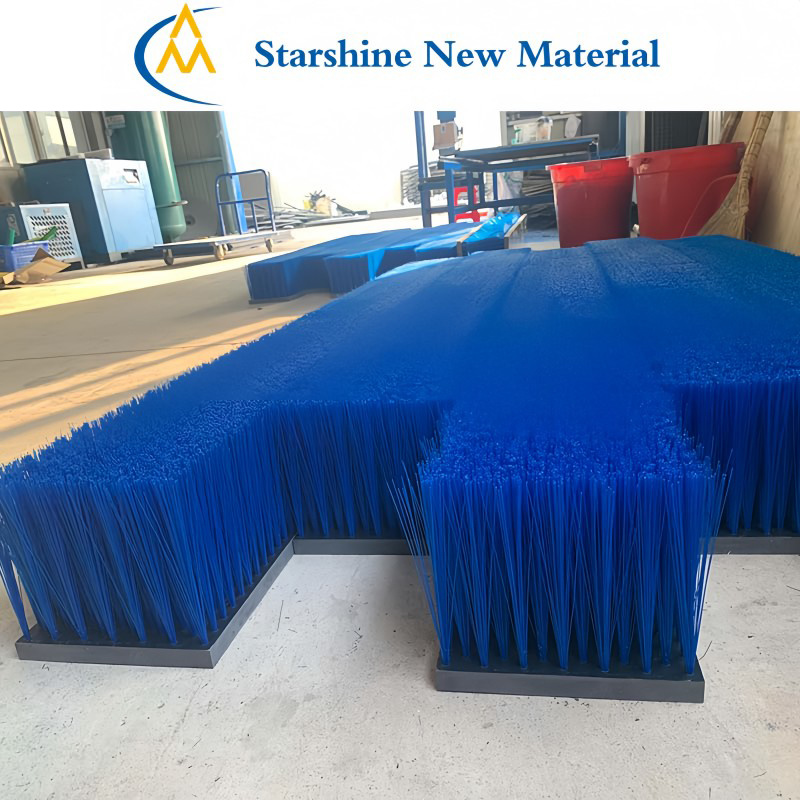
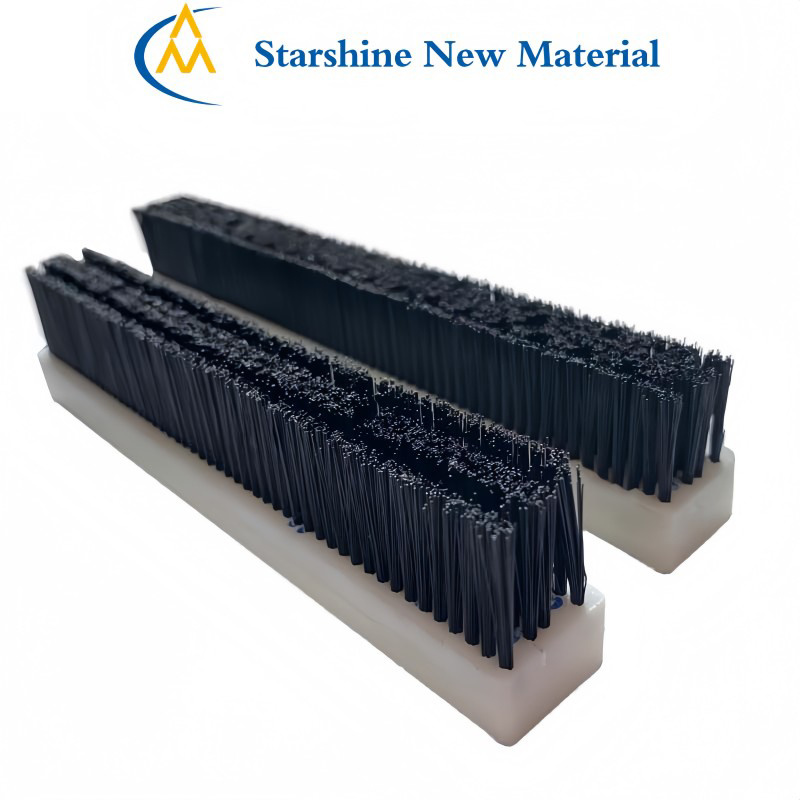
Sweepoing brushes are hard-bristled brushes specially used for outdoor cleaning, usually made of wear-resistant nylon or steel wire bristles. They are designed for durability and large-area operation efficiency, and are commonly used in cleaning streets, squares, and other public places.
- Commodity name: Main Brush of Cleaning Vehicle(Roller Brush)
- Description
-
Sanitation Brush: Product Introduction and Applications of Core Equipment for Municipal and Public Area Cleaning
Sanitation brush is a specialized tool designed for municipal sanitation and public area cleaning. With wear-resistant and anti-aging nylon filaments, polyester filaments, steel wires or mixed filaments as its core cleaning unit, it adapts to road sweepers, cleaning vehicles, hand-pushed cleaning equipment and automated sanitation robots through structures such as roller brushes, disc brushes and strip brushes. Relying on mechanical power or manual labor, it efficiently cleans floating dust, fallen leaves, sediment, oil stains, domestic garbage and stubborn dirt in scenarios including urban roads, park squares, residential communities and garbage disposal sites. By virtue of the dense coverage of the brush body, the targeted cleaning power of the brush filaments and the scenario adaptability of its structure, it solves the pain points of ordinary cleaning tools, such as "low cleaning efficiency, many blind spots and easy ground damage". It has become a core equipment for ensuring urban environmental cleanliness and improving sanitation operation efficiency, and is compatible with various material surfaces including asphalt, cement, stone, floor tiles and metals.I. Core Product Introduction
The core design logic of the sanitation brush is "scenario demand-oriented + cleaning efficiency optimization". Aiming at different garbage types (light floating dust/heavy debris), ground characteristics (rough road surface/precise ground) and operation methods (mechanical operation/manual assistance) in various sanitation scenarios, it realizes the triple goals of "precision cleaning, high efficiency and durability, and ground friendliness" by optimizing brush filament materials, wire planting processes and brush body structures, adapting to the development trend of "large-scale and refined" sanitation operations.(1) Core Structure and Classification Characteristics
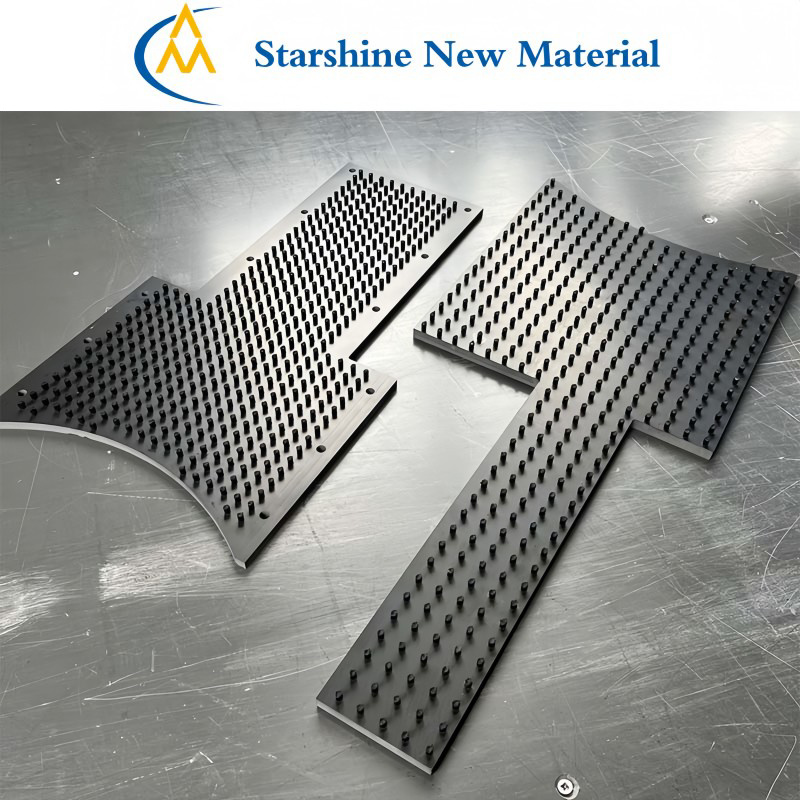
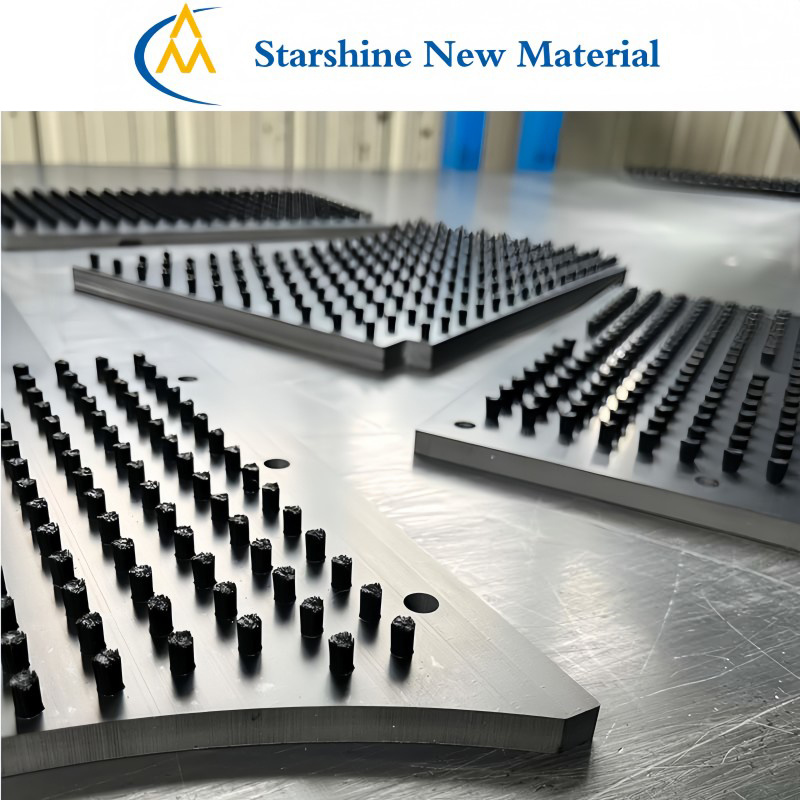
The product is mainly composed of three parts: "cleaning brush filament layer + high-strength bearing base + equipment connection and adaptation system". According to cleaning scenarios, operation equipment and garbage characteristics, it can be subdivided into multiple categories, covering the full-scenario needs from large-scale cleaning of urban arterial roads to fine cleaning of narrow areas.1. Analysis of Core Components:Cleaning Brush Filament Layer: The core is functional composite brush filaments, which are divided into four categories by material — nylon filaments (PA6, PA66, filament diameter 0.8mm-2.5mm) are suitable for cleaning ordinary floating dust and fallen leaves, with an elastic recovery rate ≥ 95% and an anti-aging service life of 1500-2000 hours; polyester filaments (PET, filament diameter 1.0mm-3.0mm) are oil-resistant and corrosion-resistant, suitable for cleaning oil-contaminated road surfaces and chemical areas; steel wires (high-carbon steel wires/stainless steel wires, wire diameter 0.3mm-1.2mm) are suitable for removing heavy debris, rust and cement agglomerates; mixed filaments (nylon + steel wire/polyester + abrasive particles) balance cleaning power and ground protection. The brush filaments adopt spiral staggered or parallel wire planting processes, with a planting density of 25-100 filaments/cm². The brush filaments and the base are fixed with a dual "mechanical clamping + high-temperature resin bonding" method, with a shedding rate ≤ 0.08% to avoid secondary pollution.High-Strength Bearing Base: Small brush bodies (hand-pushed equipment/small machinery) adopt modified PP + glass fiber bases, with an impact resistance ≥ 12kJ/m², suitable for brush bodies with a diameter of 150mm-400mm; medium-sized brush bodies (electric sanitation vehicles) adopt aluminum alloy bases, which are 40% lighter than steel plates, with surface anodizing treatment and salt spray corrosion resistance ≥ 600 hours; large brush bodies (large road sweepers) adopt Q235 steel plate bases, with a thickness of 3mm-8mm, a diameter of 500mm-1200mm and a length of 800mm-3000mm, which can withstand centrifugal impact of high-speed rotation. Some bases integrate buffer structures, which can adapt to ground slopes of ±10° and avoid road surface damage caused by hard contact.Connection and Adaptation System: Equipped with standardized interfaces such as flange plates, keyways and quick-release buckles, it can be directly adapted to hand-pushed cleaning vehicles, electric road sweepers, large washing and sweeping vehicles and sanitation robots, with an applicable speed range of 80-1200rpm. Large brush bodies support hydraulic lifting and angle adjustment, while small brush bodies can manually adjust the brush filament pressure to meet different cleaning intensity requirements.2. Main Product Classification:Classified by Brush Body Structure: Roller-type sanitation brush (cylindrical, installed at the bottom of equipment, responsible for large-area ground main cleaning, such as road sweeping brush); disc-type sanitation brush (disc-shaped, installed on the side of equipment, responsible for cleaning curbs, corners and narrow areas, such as curb brush); strip-type sanitation brush (long strip-shaped, used for equipment edge sealing and gap cleaning, such as garbage truck sealing brush); hand-pushed sanitation brush (miniaturized design, suitable for manual cleaning, such as community corridor brush).Classified by Brush Filament Function: Dust removal cleaning brush (nylon/polyester filaments, suitable for floating dust and fallen leaves, used in parks and communities); heavy-duty cleaning brush (steel wire/mixed filaments, suitable for gravel and oil stains, used in factory areas and construction site surroundings); precision cleaning brush (ultra-fine nylon filaments, suitable for stone and floor tiles, used in shopping mall squares and scenic trails); anti-pollution brush (stainless steel wire + anti-stick coating, suitable for garbage disposal sites and public toilets, preventing odor residue).Classified by Specialized Scenarios: Municipal road dedicated brush (wide width, wear-resistant, suitable for road sweepers); curb dedicated brush (arc fitting design, removing debris in curb gaps); garbage truck dedicated brush (sealing and leak-proof, avoiding garbage scattering); tunnel wall dedicated brush (long handle/arc structure, cleaning oil stains and advertisement residues on tunnel walls).(2) Core Performance Advantages
1. Full-Scenario Cleaning, No Blind Spots or Residues: Roller-type brush bodies have a large coverage area, suitable for rapid cleaning of main roads; disc-type brush bodies can reach dead corners such as curbstones and manhole covers; strip-type brush bodies seal while removing gap debris. The cleaning coverage rate in different scenarios is over 98%, solving the problems of "incomplete cleaning and unreachable areas" in traditional sanitation work.2. Weather Resistant and Durable, Adapting to Harsh Environments: Brush filaments have undergone UV-resistant and high-low temperature resistant modification treatments, and can operate stably in environments ranging from -30℃ to 60℃. The anti-aging rate of nylon filaments is ≤ 8% (no breakage after 2000 hours of continuous use); the anti-rust coating of the base can resist corrosion from rain and snow, snow-melting agents and oil stains, adapting to complex outdoor sanitation scenarios.3. Ground-Friendly, Protecting the Operation Environment: The ends of elastic brush filaments are rounded to avoid scratching precise ground such as stone and floor tiles; mixed filament brushes use elastic filaments for buffering to prevent damage caused by direct contact between steel wires and the road surface, balancing cleaning power and ground protection needs.4. High Efficiency and Durability, Reducing Sanitation Costs: The service life of polyester filament and nylon filament sanitation brushes is 5-8 times that of ordinary plastic brushes. A single large roller brush can complete cleaning of more than 200 kilometers of roads; the low shedding rate of brush filaments reduces replacement frequency and lowers labor and material costs.5. Environmentally Compliant, Adapting to Sanitation Standards: Brush filaments are made of recyclable and environmentally friendly materials without harmful chemical additives; no dust is raised during operation (when used with road sweeper dust suction devices), complying with urban dust control standards; special brushes for garbage disposal sites prevent odors and residues, meeting environmental emission requirements.II. Core Application Scenarios
With the core value of "large-scale cleaning + refined operation", the sanitation brush covers all fields such as municipal sanitation, public areas and special places, and has become a key tool for urban environmental governance.(1) Municipal Road and Traffic Facility Cleaning
1. Urban Arterial and Secondary Roads: Large washing and sweeping vehicles are equipped with wide roller-type sanitation brushes (nylon + polyester mixed filaments), and cooperate with high-pressure water flow to realize the integration of "sweeping + flushing", efficiently removing floating dust, sediment and vehicle scattered materials from the road surface; disc-type curb brushes simultaneously clean curbstones and lane dividers to ensure clear road markings, with a cleaning area of 8000-15000 square meters per hour.2. Sidewalks and Non-Motorized Lanes: Small electric road sweepers are equipped with medium-sized roller brushes (pure nylon filaments) to clean fallen leaves, cigarette butts and paper scraps in the gaps of sidewalk floor tiles, avoiding damage to the tile surface; hand-pushed sanitation brushes are used for auxiliary cleaning on non-motorized lanes after old community reconstruction, adapting to narrow roads and crowded areas.3. Bridges, Tunnels and Elevated Roads: Bridge road surfaces are prone to dust accumulation and oil contamination due to long-term exposure. Polyester filament sanitation brushes are used with degreasers for cleaning, which are oil-resistant and avoid corroding bridge structures; arc-shaped long-handled sanitation brushes are used for tunnel walls to clean oil fume stains and advertisement residues; strip-type sanitation brushes are used at the bottom of elevated road guardrails to remove accumulated debris and prevent blockage caused by rainwater scouring.(2) Public Area and Residential Living Environment Cleaning
1. Parks, Squares and Scenic Spots: Ultra-fine nylon filament sanitation brushes (adapted to electric road sweepers) are used on park trails and squares to clean fallen leaves, petals and debris left by tourists, protecting stone and wooden trails; hand-pushed sanitation brushes are used on scenic mountain trails to remove gravel and dead branches, ensuring tourist safety; corrosion-resistant polyester filament brushes are used on lakeside and riverside boardwalks to adapt to humid environments.2. Residential Communities and School Campuses: Medium-sized roller-type sanitation brushes are used on main roads of communities to regularly clean pet feces and domestic garbage; low-noise sanitation brushes are used in front of unit buildings and school playgrounds to avoid interference during residents' rest and students' activities; oil-resistant mixed filament brushes are used in community underground garages to remove oil stains and dust scattered by vehicles.3. Shopping Malls and Bus Terminals: Precision nylon filament sanitation brushes are used on the squares in front of shopping malls to clean chewing gum residues and ground stains, enhancing the commercial image; small disc-type sanitation brushes are used on bus terminal platforms to clean paper scraps and beverage bottles under waiting pavilions, realizing high-frequency cleaning in conjunction with bus scheduling.(3) Special Sanitation Site Cleaning
1. Garbage Disposal Sites and Transfer Stations: Strip-type sanitation brushes are installed on the edge of garbage truck compartments to seal garbage and avoid scattering during transportation; stainless steel wire + anti-stick coating sanitation brushes are used on the ground of garbage disposal sites to remove residual garbage scraps and oil stains, resisting odor corrosion; small-diameter brush filament sanitation brushes are used in leachate collection ditches to clean sludge in the ditches and prevent blockage.2. Public Toilets and Sanitation Posts: Antibacterial polyester filament sanitation brushes are used on public toilet floors, cooperating with disinfectants to clean feces residues and accumulated water, complying with hygiene standards; small hand-pushed sanitation brushes are used inside and outside sanitation posts to clean dust and debris in tool placement areas, keeping the posts tidy.3. Construction Sites and Industrial Park Surroundings: Steel wire mixed filament sanitation brushes are used on the exit roads of construction sites to remove gravel and cement residues scattered by construction vehicles; chemical corrosion-resistant sanitation brushes are used on the roads around industrial parks to clean material dust and slight chemical residues, avoiding pollution to the surrounding environment.(4) Industrial Sanitation and Logistics Cleaning
1. Industrial Parks and Factories: Heavy-duty mixed filament sanitation brushes are used on main factory roads to remove metal scraps and oil stains left by equipment maintenance; stainless steel wire sanitation brushes are used in chemical parks to resist acid and alkali corrosion while cleaning material dust; food-grade polyester filament sanitation brushes are used around food factories, complying with food industry environmental protection requirements.2. Logistics Parks and Freight Terminals: Wear-resistant nylon filament sanitation brushes are used on the ground of logistics parks to clean pallet scraps, packing belts and other debris, ensuring forklift passage; large roller-type sanitation brushes are used in container loading and unloading areas of freight terminals to remove scattered cargo residues (such as grain and ore), avoiding mixed pollution of different goods.III. Selection and Usage Guide
1. Selection by Cleaning Scenario: Choose wide roller-type brushes for large-area roads; disc-type brushes for corners/narrow areas; strip-type brushes for gap/sealing cleaning; hand-pushed brushes for manual assistance; ultra-fine nylon filaments for precise ground; steel wire mixed filaments for heavy debris.2. Matching by Garbage Type: Choose nylon/polyester filaments for floating dust/fallen leaves; polyester/stainless steel wires for oil stains/chemical residues; steel wire mixed filaments for metal scraps/gravel; composite filaments with abrasive particles for chewing gum/stubborn stains.3. Usage Notes: Avoid cleaning large obstacles with a diameter ≥ 80mm (such as bricks and branches) to prevent brush body deformation; check the wear of brush filaments before operation, and replace them in time when the length loss exceeds 35% or large-area shedding occurs; clean the brush body after operation in humid environments, and wipe the metal base dry for rust prevention.4. Maintenance Points: Clean weeds and ropes entangled between brush filaments every week; check the tightness of the connection interface every month to prevent the brush body from loosening during high-speed operation; clean and dry the brush body before long-term storage, and avoid extrusion deformation of elastic brush filaments.
Message
Please provide the following valid information, and we will contact you as soon as possible.
Mobile:
Wechat/Whatsapp:
E-mail:
Address:
No. 123 Yuantan Avenue, Yuantan Town, Anqing City, Anhui Province, China


Online Message
If you have any product related questions, please feel free to contact us!
Copyright © 2025 Starshine New Materials Technology Co., Ltd.
Business License