


PRODUCTS
PRODUCTS

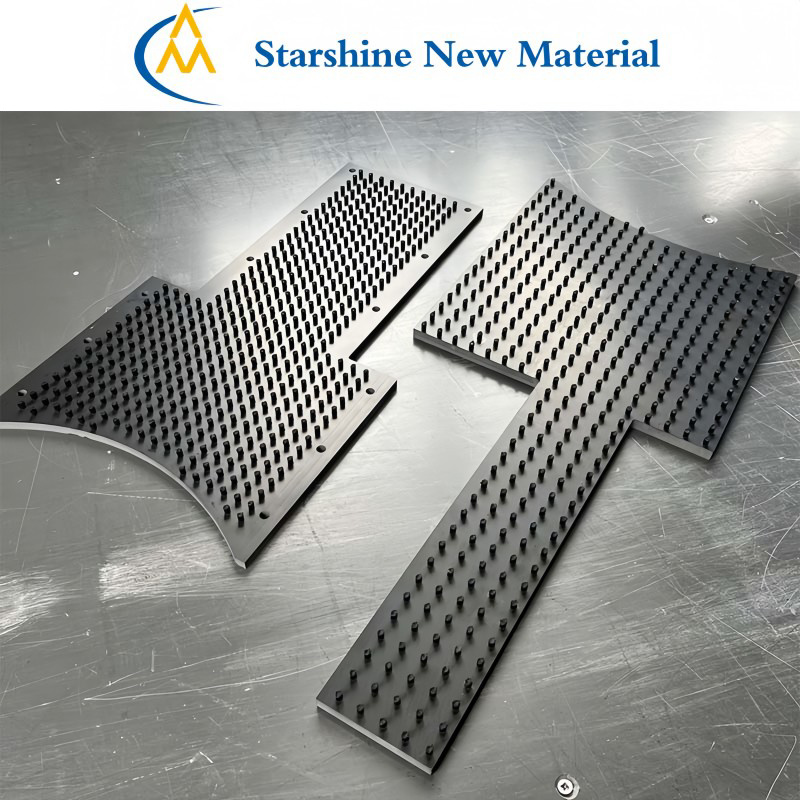
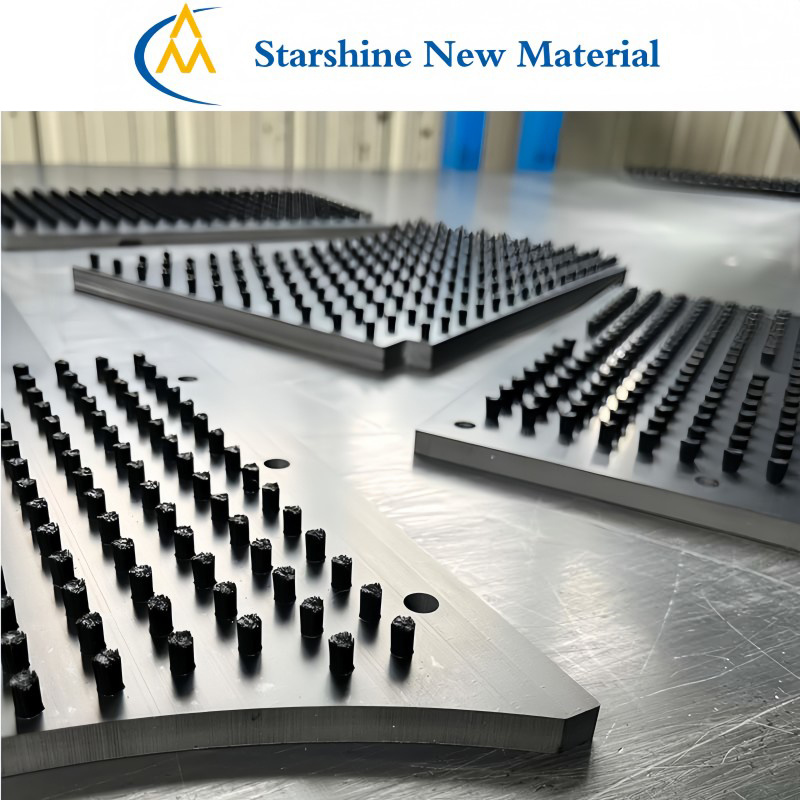
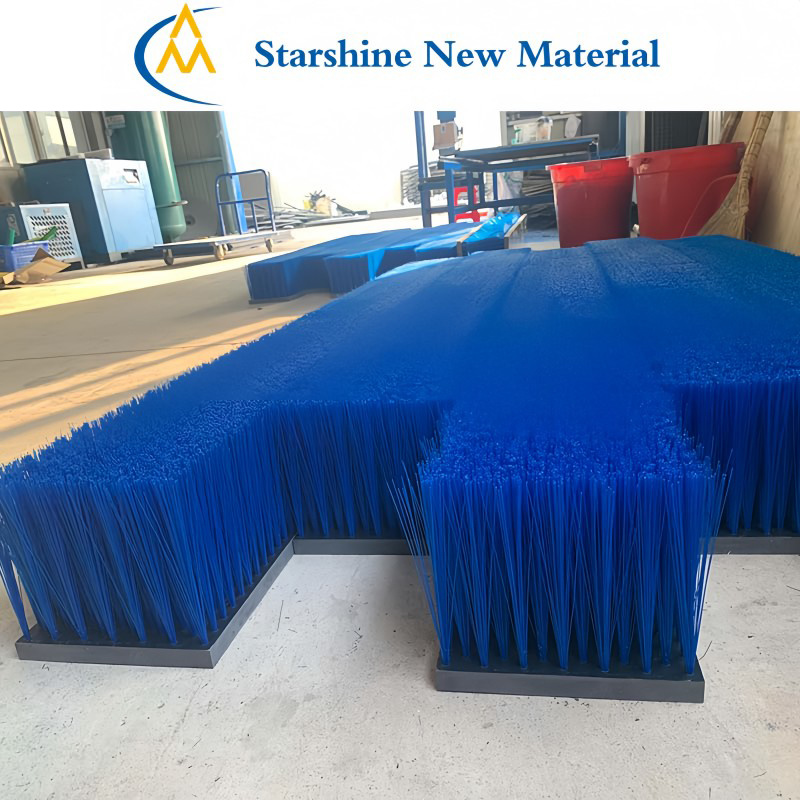
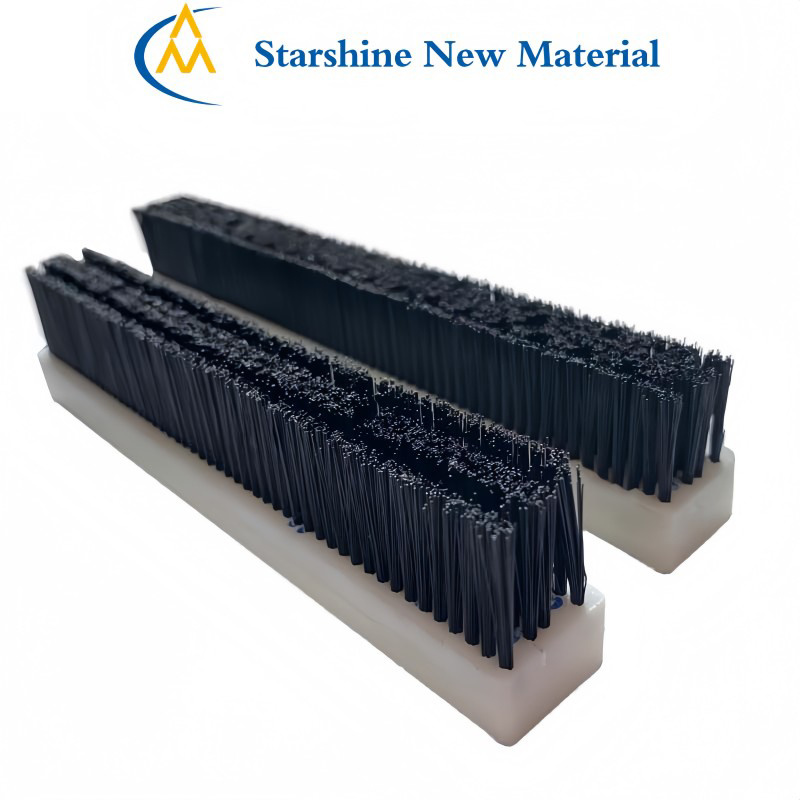
Copper-Plated Steel Wire Roller Brush
The brush roller is a cylindrical cleaning tool made of a metal or plastic shaft core wrapped with dense bristles, most of which are nylon, steel wire or natural fiber. Its rotating design can efficiently process flat or curved surfaces and is widely used in industrial cleaning, surface treatment and coating operations.
- Commodity name: Copper-Plated Steel Wire Roller Brush
- Description
-
Introduction and Application of Roller Brushes (Also Known as Brush Rollers) and Their Subcategories
A roller brush, also known as a brush roller, is a type of composite brush product that uses a cylindrical roller body as the core carrier, with brush filaments fixed on the surface of the roller core in a specific density and arrangement. Leveraging the rotational characteristics of its roller structure, it can achieve large-area and continuous operation effects. Its core functions include cleaning, rust removal, deburring, polishing, sealing, and auxiliary material transportation, making it widely applicable to various automated production equipment and manual operation scenarios. Based on differences in brush filament materials, roller brushes can be divided into multiple categories, among which steel wire roller brushes and nylon roller brushes have become mainstream products in industrial and civil fields due to their strong performance adaptability.I. Core Product Introduction
1.1 Basic Structure and Common Characteristics
The core structure of all roller brushes consists of three parts: "roller core + brush filaments + fixing process". The coordinated design of these three determines the product's operation efficiency and service life:Roller Core: As the supporting main body, its material must match the operation intensity and environment. Common types include seamless steel pipes (high strength, suitable for heavy-duty equipment), stainless steel rollers (corrosion-resistant, used in chemical and food scenarios), PVC/PP plastic rollers (lightweight, corrosion-resistant, suitable for small and medium-sized equipment), and wooden rollers (low cost, used in civil or light-load scenarios). The surface of the roller core is usually processed by turning, grooving, or drilling to ensure the brush filaments are firmly fixed and prevent falling off during rotation.Brush Filament Fixing Process: The mainstream processes are the "bristle planting method" and the "winding method". The bristle planting method uses machinery to vertically implant brush filaments into the grooves of the roller core, suitable for high-density and high-precision operation requirements; the winding method wraps brush filaments and steel wires together on the surface of the roller core, suitable for long-length roller brushes and large-area cleaning scenarios, with stronger fixation.Common Advantages: Large contact area during rotational operation, with efficiency far exceeding that of block brushes; can be linked with motors, conveyor belts, and other equipment to achieve automated operation; the density and length of brush filaments, as well as the diameter and length of the roller body, can be customized to adapt to different operation objects; some products allow detachable replacement of brush filaments or roller cores, reducing usage costs.1.2 Characteristics of Subcategory Products (Steel Wire Roller Brushes vs. Nylon Roller Brushes)
Due to differences in brush filament materials, steel wire roller brushes and nylon roller brushes have formed distinct performance focuses, adapting to rigid operation and flexible operation scenarios respectively. Their specific characteristics are compared as follows:1.2.1 Steel Wire Roller Brushes
With high-strength steel wires as the core brush filament material, they can be subdivided into low-carbon steel wire roller brushes (low cost, suitable for general rust removal), stainless steel wire roller brushes (models 304/316, corrosion-resistant, used in food and chemical scenarios), and high-carbon steel wire roller brushes (high hardness, wear-resistant, suitable for heavy-duty deburring). Their core characteristics are:High rigidity and hardness, able to withstand large operation pressure, suitable for heavy-duty processing of hard surfaces such as metals;Excellent wear resistance, with a long service life in high-frequency friction operations, especially suitable for industrial continuous production;Good thermal conductivity, able to operate in medium and high-temperature environments (≤200℃), and some special steel wire materials can withstand higher temperatures;Limitations: Poor flexibility, easy to scratch precision surfaces, not suitable for operations on soft materials (such as plastics, fabrics).1.2.2 Nylon Roller Brushes
With nylon (polyamide) filaments as the core brush filament material, common subdivided types include PA6 nylon roller brushes (good elasticity, low cost, general-purpose), PA66 nylon roller brushes (high strength, wear-resistant, suitable for industrial scenarios), wear-resistant nylon roller brushes (reinforced with glass fiber, improved hardness, used for polishing), and food-grade nylon roller brushes (compliant with FDA certification, odorless, used in food processing). Their core characteristics are:Excellent flexibility and elasticity, fitting closely with the surface during operation, able to clean gaps without causing damage;Strong chemical stability, resistant to acids, alkalis, and greases, suitable for corrosive operation environments such as chemical and food industries;Wide temperature resistance range (-40℃ to 150℃), adaptable to most industrial and civil scenario temperature requirements;Can be modified by adding antistatic, flame-retardant, and other additives, expanding applications to special fields such as electronics and new energy;Limitations: Insufficient rigidity, not suitable for high-intensity operations such as heavy-duty rust removal and deburring.II. Core Application Scenarios
The application scenarios of roller brushes are highly bound to the brush filament material. Steel wire roller brushes focus on "rigid operations", while nylon roller brushes focus on "flexible protection and cleaning", covering the needs of different industries respectively. The details are as follows:2.1 Core Field of Industrial Manufacturing
Industrial scenarios have the highest requirements for the efficiency and durability of roller brushes. Steel wire and nylon roller brushes are used complementarily to meet the needs of different processes:2.1.1 Metal Processing Industry
Dominant Scenarios for Steel Wire Roller Brushes: In steel plate and steel pipe production lines, high-carbon steel wire roller brushes are used to remove oxide scale, rust, and residual iron chips from the surface during rolling; after stamping and forging of hardware accessories, stainless steel wire roller brushes are used for deburring the edges and corners to avoid sharp edges affecting subsequent assembly; during the surface pretreatment of aluminum alloy profiles, fine steel wire roller brushes can achieve light grinding to enhance coating adhesion.Auxiliary Scenarios for Nylon Roller Brushes: Before metal surface coating, food-grade nylon roller brushes are used to remove surface dust and fine impurities to avoid particle defects in the coating; after cleaning precision hardware parts, soft nylon roller brushes are used to absorb surface moisture while protecting the precision of the parts from damage.2.1.2 Machinery and Equipment Manufacturing
Mainstream Applications of Nylon Roller Brushes: For cleaning precision components such as machine tool guideways and lead screws, low-friction nylon roller brushes are used to remove oil stains and iron chips while avoiding scratching the guideway surface; for cleaning ink rollers of printing machinery, solvent-resistant nylon roller brushes are used to remove residual ink and ensure uniform printing color; for cleaning conveyor belts in automated production lines, nylon roller brushes can fit the conveyor belt surface to remove residual materials (such as plastic particles, paper fibers).Special Applications of Steel Wire Roller Brushes: For rust removal and maintenance of heavy machinery components such as gears and bearings, stainless steel wire roller brushes are used for local grinding to restore the surface finish of the components.2.1.3 Automotive and Rail Transit
Applications of Steel Wire Roller Brushes: In the pretreatment of steel structural components such as automobile chassis and frames, steel wire roller brushes are used for rust removal and surface roughening to prepare for welding and coating; in the maintenance of rail transit vehicle wheel sets, fine steel wire roller brushes are used to remove rust and wear debris from the wheel set surface to ensure driving safety.Applications of Nylon Roller Brushes: Before automobile body coating, antistatic nylon roller brushes are used for dust removal to avoid electrostatic adsorption of dust; for cleaning and polishing of vehicle interior parts (such as plastic panels and fabric seats), soft nylon roller brushes can achieve non-destructive processing.2.2 Food and Pharmaceutical Industry
This field has strict requirements on the material safety and hygiene of roller brushes. Food-grade nylon roller brushes are the main choice, while steel wire roller brushes are only used in limited special scenarios due to their tendency to generate metal chips:Food Processing Scenarios: In fruit and vegetable cleaning production lines, nylon roller brushes with convex points are used to gently scrub sediment and pesticide residues on the surface of fruits and vegetables while avoiding damage to the peel (such as apples and potatoes); in biscuit and bread production, nylon roller brushes are used to remove residual flour from the conveyor belt surface to prevent material adhesion; for cleaning meat processing equipment, high-temperature resistant nylon roller brushes can be used with hot water and cleaning agents to remove oil and meat residues from the equipment surface, and can withstand high-temperature disinfection.Pharmaceutical Production Scenarios: For cleaning the outer walls of medicinal glass bottles and plastic bottles, sterile nylon roller brushes are used to remove surface stains while meeting GMP (Good Manufacturing Practice) certification requirements; for cleaning aluminum-plastic blister packs in pharmaceutical packaging production lines, nylon roller brushes can remove dust from the packaging surface to ensure clear printing.2.3 Textile and Dyeing Industry
This field needs to balance cleaning effect and fabric protection, with nylon roller brushes as the absolute main force, and steel wire roller brushes with special treatment used in some scenarios:Core Applications of Nylon Roller Brushes: For carding and cleaning fabrics such as cotton, linen, and chemical fibers, fine nylon filament roller brushes are used to remove neps and hairiness from the fabric surface and improve fabric smoothness; during the pre-treatment of fabrics before dyeing, nylon roller brushes are used to remove surface impurities to ensure uniform dyeing; in fabric setting machines, high-temperature resistant nylon roller brushes can assist in fabric smoothing while removing residual dyes from the surface.Special Applications of Steel Wire Roller Brushes: For napping treatment of woolen fabrics (such as woolen cloth), extremely soft and fine steel wire roller brushes are used to form uniform fluff on the fabric surface, improving touch and appearance.2.4 Public Facilities and Civil Field
This field has high requirements for the adaptability and economy of roller brushes, and steel wire and nylon roller brushes are used in combination as needed:Sanitation and Cleaning: The main brushes of road sweepers are mostly steel wire-nylon composite roller brushes. The steel wire part is responsible for removing stubborn stains and gravel on the road, while the nylon part is responsible for cleaning dust and light garbage; for cleaning sidewalks and park roads, pure nylon roller brushes can avoid damaging the floor tile surface.Home and Household Appliances: The side brushes and main brushes of robot vacuum cleaners are mostly nylon roller brushes, which can penetrate into gaps for cleaning through elastic brush filaments; the rolling brushes of vacuum cleaners use short nylon filaments for cleaning hard floors and long nylon filaments for cleaning dust in carpet piles; for range hood filter cleaning tools, small nylon roller brushes can remove oil stains in the filter gaps.Public Facility Maintenance: For cleaning the comb plates of escalators in subways and shopping malls, nylon roller brushes can remove hair and debris between the combs to prevent equipment jamming; for cleaning the pool walls of swimming pools, corrosion-resistant nylon roller brushes can be used with cleaning agents to remove moss and dirt.2.5 Special Industry Scenarios
Electronics and Semiconductor: Anti-static nylon roller brushes are used for cleaning the floors and equipment in wafer and chip production workshops to avoid electrostatic damage to precision components; after circuit board welding, ultra-fine nylon filament roller brushes can remove solder residues and flux.Mining and Building Materials: For cleaning coal mine conveyor belts, wear-resistant nylon roller brushes are used to remove coal dust and coal particles from the surface; in stone processing (such as marble and granite), steel wire roller brushes are used for surface rough grinding and anti-slip treatment, while nylon roller brushes are used for fine polishing.New Energy: During the production of lithium battery pole pieces, anti-static nylon roller brushes are used to remove dust and impurities from the pole piece surface to ensure battery performance; for cleaning photovoltaic module glass, soft nylon roller brushes can achieve non-destructive dust removal to improve photoelectric conversion efficiency.III. Selection Suggestions
The selection of roller brushes should focus on three core factors: operation object + core demand + environmental conditions. For rigid operations such as metal rust removal and heavy-duty deburring, steel wire roller brushes with corresponding steel wire models should be preferred; for flexible operations such as cleaning, polishing, and sealing, or for special scenarios involving food and electronics, nylon roller brushes with adaptive characteristics should be preferred. At the same time, the roller body diameter, length, and equipment interface should be matched to ensure stable installation and operation.
Message
Please provide the following valid information, and we will contact you as soon as possible.
Mobile:
Wechat/Whatsapp:
E-mail:
Address:
No. 123 Yuantan Avenue, Yuantan Town, Anqing City, Anhui Province, China


Online Message
If you have any product related questions, please feel free to contact us!
Copyright © 2025 Starshine New Materials Technology Co., Ltd.
Business License