


PRODUCTS
PRODUCTS

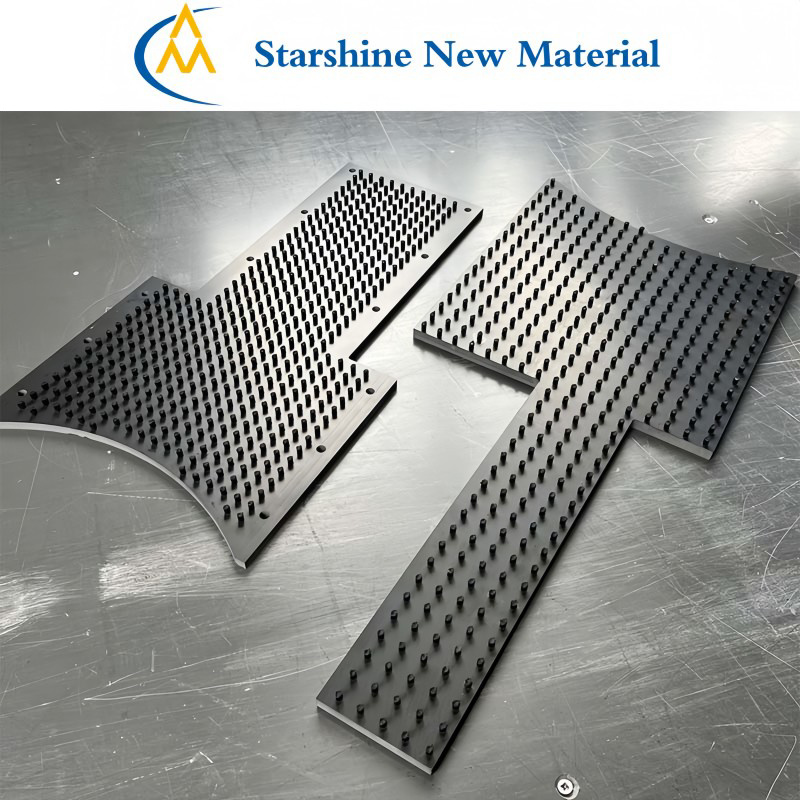
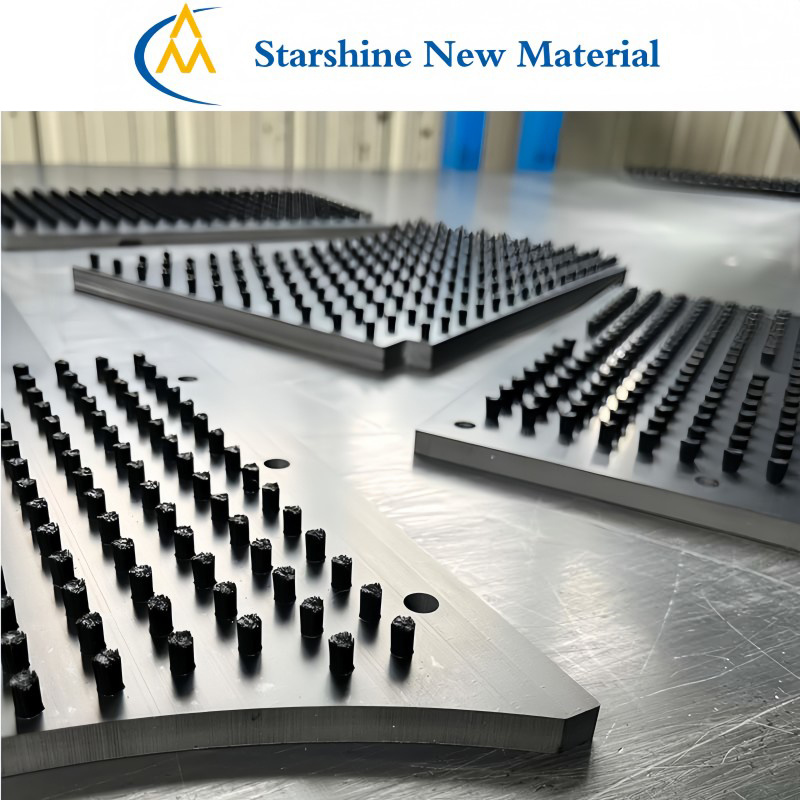
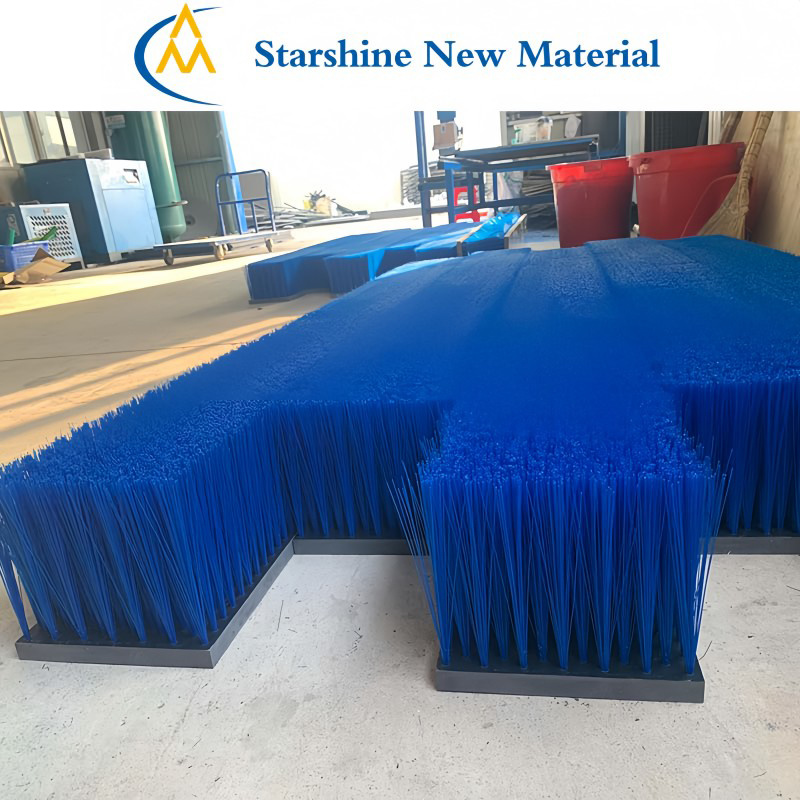
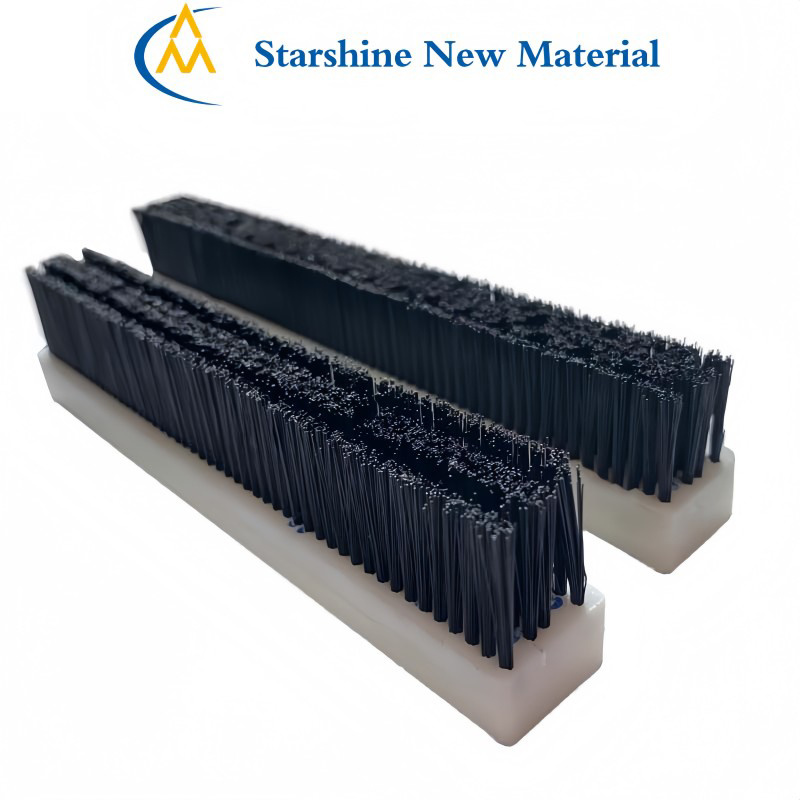
Boar Bristle Disc Brush
A disc brush is a disc-shaped rotating cleaning tool, which consists of a metal or plastic base with fixed annular bristles (nylon, steel wire, carbon wire, etc.) on the periphery. It is usually installed on a power tool for use. Its high-speed rotation design can achieve strong grinding or fine polishing, and is suitable for surface treatment operations such as metal rust removal, wood processing, stone polishing and weld treatment.
- Commodity name: Boar Bristle Disc Brush
- Description
-
Introduction and Application of Disc Brushes
1. Core Product Introduction
1.1 Basic Definition
Disc brushes are functional brushing tools with a circular base as the core carrier, on the surface of which various types of brush filaments are fixedly arranged. By virtue of their high-speed rotating operation mode, they can realize multiple surface treatment functions such as grinding, finishing, polishing, deburring, and cleaning. With a compact and flexible structural design, they can adapt to different working conditions. They can be used not only as core processing components in industrial production lines but also as small hand tools for daily cleaning, making them important auxiliary tools for cross-industry applications.1.2 Core Composition and Material Classification
The performance of disc brushes is mainly determined by two parts: the base and the brush filaments. Different material combinations directly affect their application scenarios:Base material: Common materials include plastic, metal (stainless steel, aluminum alloy), PVC boards, etc. Plastic bases are lightweight and cost-effective, suitable for light-load cleaning scenarios; metal bases have high strength and wear resistance, which can match high-speed industrial grinding operations; some customized products adopt a detachable base design, which realizes quick replacement of brush heads through structures such as lock rods and lock nuts, improving work efficiency.Brush filament material: It can be divided into eight categories according to functional requirements, and the characteristics of various materials vary significantly: Nylon filaments, including models such as PA6, PA66, and PA612, have high elasticity, wear resistance, and acid-alkali resistance. PA612 also has antibacterial and mildew-proof functions, making it suitable for high-precision cleaning scenarios in food, medical, and electronic industries;Abrasive filaments: Nylon-based filaments mixed with silicon carbide or aluminum oxide abrasive particles, which combine grinding performance and toughness, are core materials for metal deburring and surface finishing;Metal filaments: Including stainless steel wires, copper wires, galvanized steel wires, etc., with high hardness and strong wear resistance, specially used for deburring heavy metal surfaces and removing oxide scales;Natural materials: Such as pig bristles (water-resistant and high-temperature-resistant, suitable for polishing goldware and pianos), horsehair (soft and wear-resistant, used for removing floating dust), sisal (oil-absorbing, suitable for high-temperature oil removal scenarios), etc., which are suitable for fine polishing needs;Polypropylene (PP) filaments: With a density of less than 1, they have poor elasticity but low cost, suitable for rough dust removal scenarios such as mining and environmental sanitation.1.3 Outstanding Features
Strong environmental adaptability: Resistant to acid, alkali, and chemical solvent corrosion, with low water absorption of brush filaments, it can work stably in both dry and wet working conditions without damaging the original surface finish of the workpiece;Excellent durability: The brush filaments are tough and have good resilience, which can maintain performance after multiple bends, and their service life is significantly longer than that of ordinary brushes;Wide working coverage: Relying on the good elasticity of the brush filaments, it can fully fit the surfaces of complex workpieces such as hyperboloids and uneven surfaces, realizing uniform grinding and cleaning without dead corners;Customizable functions: By adjusting the material, density, length of the brush filaments and the size of the base (diameter ranging from 5cm to 50cm), it can meet various processing needs from microelectronic components to large castings.2. Main Application Scenarios
The application of disc brushes has penetrated into two major fields: industrial manufacturing and daily life, focusing on surface finishing and cleaning functions. Specifically, it can be divided into four major industrial application directions and multi-scenario household applications:2.1 Core Industrial Applications
2.1.1 Metal Processing Field
As a core tool for metal surface treatment, it covers the entire process from raw material pretreatment to finished product finishing:Plate processing: Used for pretreatment and surface finishing of cold-rolled plates, galvanized/tinned plates to remove oxide scales and rust;Part processing: Cleaning the processing burrs of automotive gears and engine parts, completing the finishing of air-conditioning/refrigerator compressor parts, and preparing the surface for electroplating and coating;Coil processing: Polishing and decontaminating the surfaces of metal coils such as copper strips and aluminum strips to improve material finish;Casting processing: Polishing the surface of castings, removing burrs in deep holes and related hole positions to improve workpiece precision.2.1.2 Electronics and Precision Manufacturing Field
Adapting to high-precision surface treatment needs, it is mainly used for decontamination, grinding, and calendering of copper plates in electronic circuit boards. Soft nylon filaments or special abrasive filaments are used to avoid damaging precision components. In some semiconductor industry applications, anti-static nylon brush filaments are customized to achieve dual functions of cleaning and anti-static protection.2.1.3 Woodworking and Furniture Manufacturing Field
Natural bristles or nylon filaments are selected according to the characteristics of wood, which are used for the finishing of plywood surfaces, the prominent processing of wood textures of complex furniture, and the uniform polishing of uneven curved surfaces. They can not only remove surface burrs but also retain the natural texture of wood.2.1.4 Special Industrial Scenarios
Military field: Used for cleaning and rust prevention of weapon and equipment surfaces, using corrosion-resistant metal wires or special nylon filaments;Hydraulic component processing: Finely polishing the surface of cylinder liners and terminals to improve sealing performance and electrical conductivity;Decorative processing: Through specific brush filament arrangement methods, regular textures such as wavy patterns and fish-scale patterns are brushed on the surface of parts to achieve satin finishing or decorative effects.2.2 Household and Daily Applications
Miniaturized disc brushes have become practical tools for household cleaning due to their flexible and convenient characteristics. Their diameter is mostly between 5cm and 10cm, and they are lightweight and easy to operate:Kitchen cleaning: Penetrating into sink gaps and faucet joints to remove oil stains and food residues, suitable for cleaning local stains inside ovens and microwaves. Nylon models can directly contact tableware;Bathroom cleaning: Targeted cleaning of stubborn dirt in tile gaps, toilet edges, and bathtub dead corners. The hardness of brush filaments can be selected according to the characteristics of ceramic surfaces to avoid scratching the glaze;Furniture and home appliance cleaning: Used for removing floating dust in sofa gaps, keyboard keys, and air-conditioning filters. Horsehair or soft nylon materials can protect the coating of furniture surfaces and the shells of home appliances;Automotive cleaning: Cleaning hard-to-reach parts such as wheel gaps, door seals, and air-conditioning vents. It can effectively remove dust and oil stains when used with special cleaning agents.3. Core Selection Suggestions
When selecting disc brushes, three key dimensions should be focused on: ① Working scenario (industrial/household, dry/wet environment); ② Processing requirements (deburring/polishing/cleaning, precision requirements); ③ Processed material (metal/wood/electronic components/ceramics, etc.). For example, stainless steel wire abrasive brushes are preferred for heavy metal deburring, PA612 antibacterial nylon brushes are required for food industry cleaning, and horsehair or soft nylon brushes are recommended for fine household cleaning.
Message
Please provide the following valid information, and we will contact you as soon as possible.
Mobile:
Wechat/Whatsapp:
E-mail:
Address:
No. 123 Yuantan Avenue, Yuantan Town, Anqing City, Anhui Province, China


Online Message
If you have any product related questions, please feel free to contact us!
Copyright © 2025 Starshine New Materials Technology Co., Ltd.
Business License