


PRODUCTS
PRODUCTS

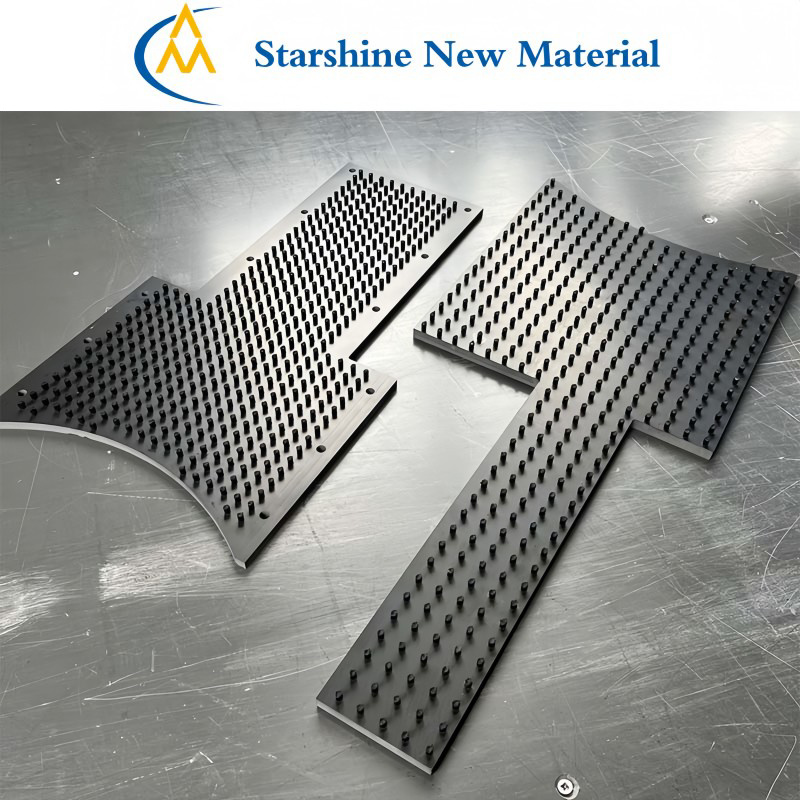
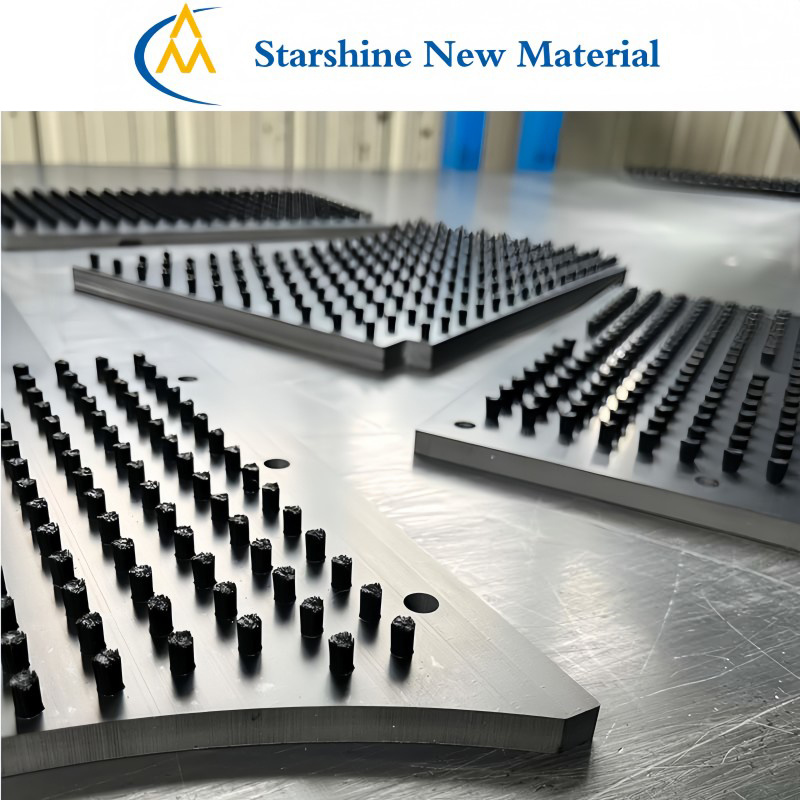
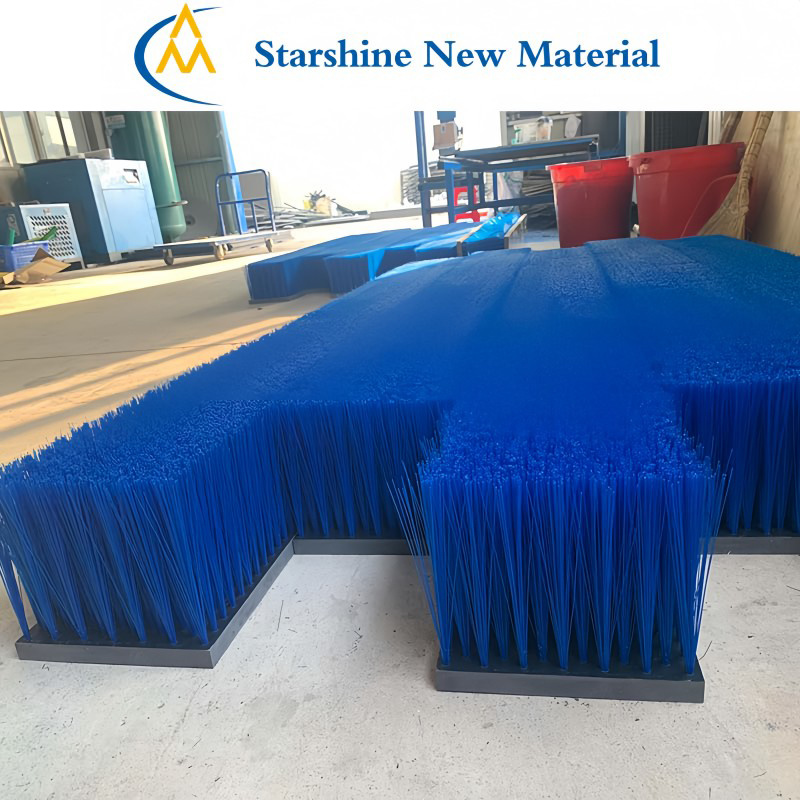
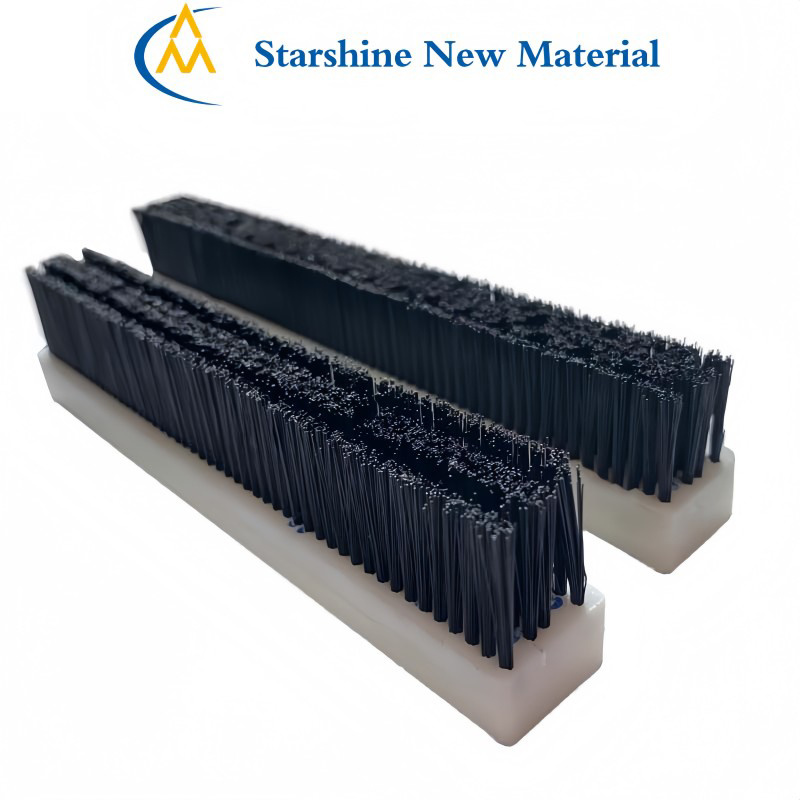
Strip Brush (Any Material)
Introduction and Application of Strip Brushes
I. Product Introduction
1.1 Basic Definition
A strip brush is a strip-shaped brush product composed of brush filaments and a base material (usually metal strips, plastic strips, or wooden strips) that are fixed and combined through specific processes. Its core functions focus on cleaning, sealing, protection, dust removal, and other needs. With its flexible customization and wide adaptability, it has become an indispensable basic accessory in various industries. Compared with ordinary block-shaped brushes, strip brushes can be cut to length, and their brush filament density and material can be adjusted according to actual needs, enabling better fit with various special-shaped or long strip working surfaces.
1.2 Core Structure and Materials
The structure of a strip brush mainly consists of two parts: one is the base material that provides support and fixation, and the other is the brush filament that realizes the core functions. The material selection of both directly determines the performance and application scenario of the product:
- Base Material Part: Common materials include stainless steel (models such as 304 and 316, suitable for corrosion-resistant and high-strength scenarios), galvanized steel sheets (cost-effective option for general industrial environments), PVC plastic strips (lightweight, acid and alkali resistant, suitable for humid or chemical contact scenarios), aluminum alloy strips (lightweight, easy to install on precision equipment), and wooden strips (environmentally friendly, low cost, mostly used in civil cleaning fields). The surface of the base material is usually processed by punching and grooving to ensure that the brush filaments are firmly embedded and prevent falling off.
- Brush Filament Part: It is divided into various types according to functional requirements, including nylon filaments (wear-resistant, good elasticity, temperature resistance range of -40℃ to 120℃, the first choice for general purposes), polypropylene filaments (acid and alkali resistant, anti-aging, suitable for chemical and food processing scenarios), pig bristles/horse bristles (natural materials, good oil absorption, used for polishing and dust removal), steel wires/copper wires (high strength, wear-resistant, used for rust removal and deburring on metal surfaces), and carbon fiber filaments (conductive, high-temperature resistant, suitable for electronic precision equipment).
1.3 Product Features
The core advantages of strip brushes lie in "customized adaptation" and "multi-functional integration", which are specifically reflected in the following aspects: First, flexible specifications - the length can be customized from a few centimeters to tens of meters, and the length, density, and arrangement of brush filaments can be adjusted according to the gap of the working surface; Second, strong durability - the connection between the base material and the brush filaments adopts processes such as press-planting and injection molding, which have a tight combination and are not easy to deform or shed; Third, wide adaptability - it can be installed through various methods such as screw fixation and card slot splicing, adapting to different forms of working scenarios such as planes, curved surfaces, and gaps; Fourth, diverse functions - a single product can realize the dual functions of cleaning and sealing at the same time, and some brush filaments made of special materials also have additional properties such as anti-static and high-temperature resistance.
II. Application Scenarios
The application of strip brushes covers multiple fields such as industrial production, people's livelihood, and public facilities. Their functional positioning varies depending on the scenario, which can be specifically divided into the following categories:
2.1 Industrial Production Field
Industry is the core application scenario of strip brushes, which mainly undertake key roles such as cleaning, sealing, and protection to ensure the smooth progress of the production process and the stable operation of equipment:
- Machinery Manufacturing and Processing: Strip brushes for machine tool guideways are used to clean iron chips and oil stains on the guideway surface, and at the same time prevent dust from entering the guideway gap and affecting precision; Strip brushes installed at the feed and discharge ports of stamping equipment and cutting equipment can isolate waste materials from the processing area and protect the safety of operators; In the metal workpiece polishing process, pig bristle or nylon filament strip brushes are used, which cooperate with abrasives to achieve surface scratch removal and brightening treatment.
- Conveying and Warehousing Equipment: Strip brushes installed at the head and tail rollers of belt conveyors can remove residual materials (such as grain, coal, ore, etc.) on the belt surface to avoid belt deviation caused by material accumulation; Be
- Commodity name: Strip Brush (Any Material)
- Description
-
Introduction and Application of Strip Brushes
I. Product Introduction
1.1 Basic Definition
A strip brush is a strip-shaped brush product composed of brush filaments and a base material (usually metal strips, plastic strips, or wooden strips) that are fixed and combined through specific processes. Its core functions focus on cleaning, sealing, protection, dust removal, and other needs. With its flexible customization and wide adaptability, it has become an indispensable basic accessory in various industries. Compared with ordinary block-shaped brushes, strip brushes can be cut to length, and their brush filament density and material can be adjusted according to actual needs, enabling better fit with various special-shaped or long strip working surfaces.1.2 Core Structure and Materials
The structure of a strip brush mainly consists of two parts: one is the base material that provides support and fixation, and the other is the brush filament that realizes the core functions. The material selection of both directly determines the performance and application scenario of the product:Base Material Part: Common materials include stainless steel (models such as 304 and 316, suitable for corrosion-resistant and high-strength scenarios), galvanized steel sheets (cost-effective option for general industrial environments), PVC plastic strips (lightweight, acid and alkali resistant, suitable for humid or chemical contact scenarios), aluminum alloy strips (lightweight, easy to install on precision equipment), and wooden strips (environmentally friendly, low cost, mostly used in civil cleaning fields). The surface of the base material is usually processed by punching and grooving to ensure that the brush filaments are firmly embedded and prevent falling off.Brush Filament Part: It is divided into various types according to functional requirements, including nylon filaments (wear-resistant, good elasticity, temperature resistance range of -40℃ to 120℃, the first choice for general purposes), polypropylene filaments (acid and alkali resistant, anti-aging, suitable for chemical and food processing scenarios), pig bristles/horse bristles (natural materials, good oil absorption, used for polishing and dust removal), steel wires/copper wires (high strength, wear-resistant, used for rust removal and deburring on metal surfaces), and carbon fiber filaments (conductive, high-temperature resistant, suitable for electronic precision equipment).1.3 Product Features
The core advantages of strip brushes lie in "customized adaptation" and "multi-functional integration", which are specifically reflected in the following aspects: First, flexible specifications - the length can be customized from a few centimeters to tens of meters, and the length, density, and arrangement of brush filaments can be adjusted according to the gap of the working surface; Second, strong durability - the connection between the base material and the brush filaments adopts processes such as press-planting and injection molding, which have a tight combination and are not easy to deform or shed; Third, wide adaptability - it can be installed through various methods such as screw fixation and card slot splicing, adapting to different forms of working scenarios such as planes, curved surfaces, and gaps; Fourth, diverse functions - a single product can realize the dual functions of cleaning and sealing at the same time, and some brush filaments made of special materials also have additional properties such as anti-static and high-temperature resistance.II. Application Scenarios
The application of strip brushes covers multiple fields such as industrial production, people's livelihood, and public facilities. Their functional positioning varies depending on the scenario, which can be specifically divided into the following categories:2.1 Industrial Production Field
Industry is the core application scenario of strip brushes, which mainly undertake key roles such as cleaning, sealing, and protection to ensure the smooth progress of the production process and the stable operation of equipment:Machinery Manufacturing and Processing: Strip brushes for machine tool guideways are used to clean iron chips and oil stains on the guideway surface, and at the same time prevent dust from entering the guideway gap and affecting precision; Strip brushes installed at the feed and discharge ports of stamping equipment and cutting equipment can isolate waste materials from the processing area and protect the safety of operators; In the metal workpiece polishing process, pig bristle or nylon filament strip brushes are used, which cooperate with abrasives to achieve surface scratch removal and brightening treatment.Conveying and Warehousing Equipment: Strip brushes installed at the head and tail rollers of belt conveyors can remove residual materials (such as grain, coal, ore, etc.) on the belt surface to avoid belt deviation caused by material accumulation; Beside the shelf columns of automated warehouses and the running rails of aisle stackers, strip brushes are used for sealing and dust prevention to protect the sensors and transmission components inside the equipment.Automotive and Rail Transit Manufacturing: In the automotive body welding station, strip brushes are used to isolate welding sparks and prevent damage to surrounding components; Strip brushes installed at the bottom of doors and the edge of windows of rail transit vehicles (high-speed trains, subways) realize the functions of sealing, sound insulation, and dust prevention, and at the same time reduce the friction loss between the door and the vehicle body.Electronics and Semiconductor Industry: Anti-static nylon filaments or carbon fiber strip brushes are used for dust removal in the production line of electronic components to avoid dust adsorption caused by static electricity affecting product quality; In semiconductor wafer processing equipment, strip brushes are used to clean the inside of the vacuum chamber to prevent impurities from contaminating the wafer.2.2 Food and Pharmaceutical Industry
This field has extremely high requirements on the material safety and hygiene of strip brushes, and polypropylene filaments, nylon filaments, and stainless steel base materials that meet food-grade standards (such as FDA certification) are usually selected:Food Processing: On the conveyor belt surface of biscuit and bread production lines, strip brushes are used to clean residual flour and frosting; In fruit and vegetable cleaning equipment, soft nylon filament strip brushes can gently scrub the sediment on the surface of fruits and vegetables while avoiding damage to the peel; For the cleaning of the mouth and body of cans and beverage bottles, strip brushes can go deep into the gaps to remove stains and ensure packaging hygiene.Pharmaceutical Production: In the sterile area of the drug packaging workshop, strip brushes are used to clean the dust on the surface of conveying equipment and operating tables. The material must have disinfection resistance and can adapt to disinfection methods such as alcohol and high temperature; In the cleaning process of pharmaceutical glassware, customized strip brushes can fit the inner wall of the glassware to achieve thorough cleaning without dead ends.2.3 Livelihood and Cleaning Field
The application of strip brushes in daily life is close to the scenario, focusing on practicality and convenience:Home Cleaning: Door and window gap brushes (mostly PVC base material + nylon filaments) are used to clean dust and debris in window frames and door gaps; Floor cleaning brush strips can be assembled on robot vacuum cleaners and mops to enhance the cleaning effect and adapt to hard-to-clean areas such as corners and under furniture.Home Appliances and Daily Necessities: The strip brush at the suction port of the vacuum cleaner can enhance the fit with the ground and improve the dust collection efficiency; The supporting strip brushes for air conditioning filters and range hood filters are used to clean oil stains and dust on the filter surface; The brush filament structure of daily necessities such as combs and hairbrushes also often adopts the strip brush design, which is convenient for combing and cleaning.2.4 Public Facilities and Transportation Field
Strip brushes in this field must have strong weather resistance and long service life to adapt to outdoor or high-frequency use scenarios:Public Transportation: Strip brushes installed at the bottom of platform screen doors of subways and light rails can reduce the air flow impact when trains are running, and at the same time play the roles of sound insulation and dust prevention; Strip brushes at the door gaps and luggage compartment doors of buses and long-distance coaches are used for sealing to improve the comfort inside the vehicle.Municipal Facilities: The brush discs of road sweepers are usually composed of multiple strip brush filaments, which are used to clean garbage and fallen leaves on the road surface; Strip brushes installed under fitness equipment and benches in parks and communities can prevent dust accumulation and facilitate maintenance; Strip brushes at the step edges and comb plates of escalators can remove debris from passengers' shoe soles and avoid foreign objects getting stuck inside the escalator and causing malfunctions.2.5 Other Special Fields
In some professional scenarios, strip brushes realize special functions through material upgrades: for example, in the coal mining industry, anti-static and wear-resistant steel wire strip brushes are used for impurity removal and dust prevention of conveyor belts; In high-temperature kiln equipment, high-temperature resistant ceramic fiber strip brushes are used to realize the sealing and heat insulation of the kiln door; In stage machinery and amusement equipment, strip brushes are used to reduce the friction noise of mechanical components and improve the operation stability.
Message
Please provide the following valid information, and we will contact you as soon as possible.
Mobile:
Wechat/Whatsapp:
E-mail:
Address:
No. 123 Yuantan Avenue, Yuantan Town, Anqing City, Anhui Province, China


Online Message
If you have any product related questions, please feel free to contact us!
Copyright © 2025 Starshine New Materials Technology Co., Ltd.
Business License